
- Understanding Seahorse Biology
- Care Requirements for Baby Seahorses
- The Role of Aquariums in Conservation
- Importance of Public Educational Programs
- How to Engage in Seahorse Conservation Efforts
Seahorses belong to the family Syngnathidae, a group that also includes pipefish and seadragons. They are fascinating marine creatures, primarily known for their distinct physiology. With their horse-like heads, prehensile tails, and unique reproductive roles, seahorses capture the interest of marine biologists and casual observers alike. Seahorses exhibit remarkable adaptations to their environments; they camouflage themselves among sea grasses and corals to evade predators. Their highly specialized diet consists mainly of small crustaceans, which they consume using a specialized feeding mechanism where they suck in their food through their elongated snouts.
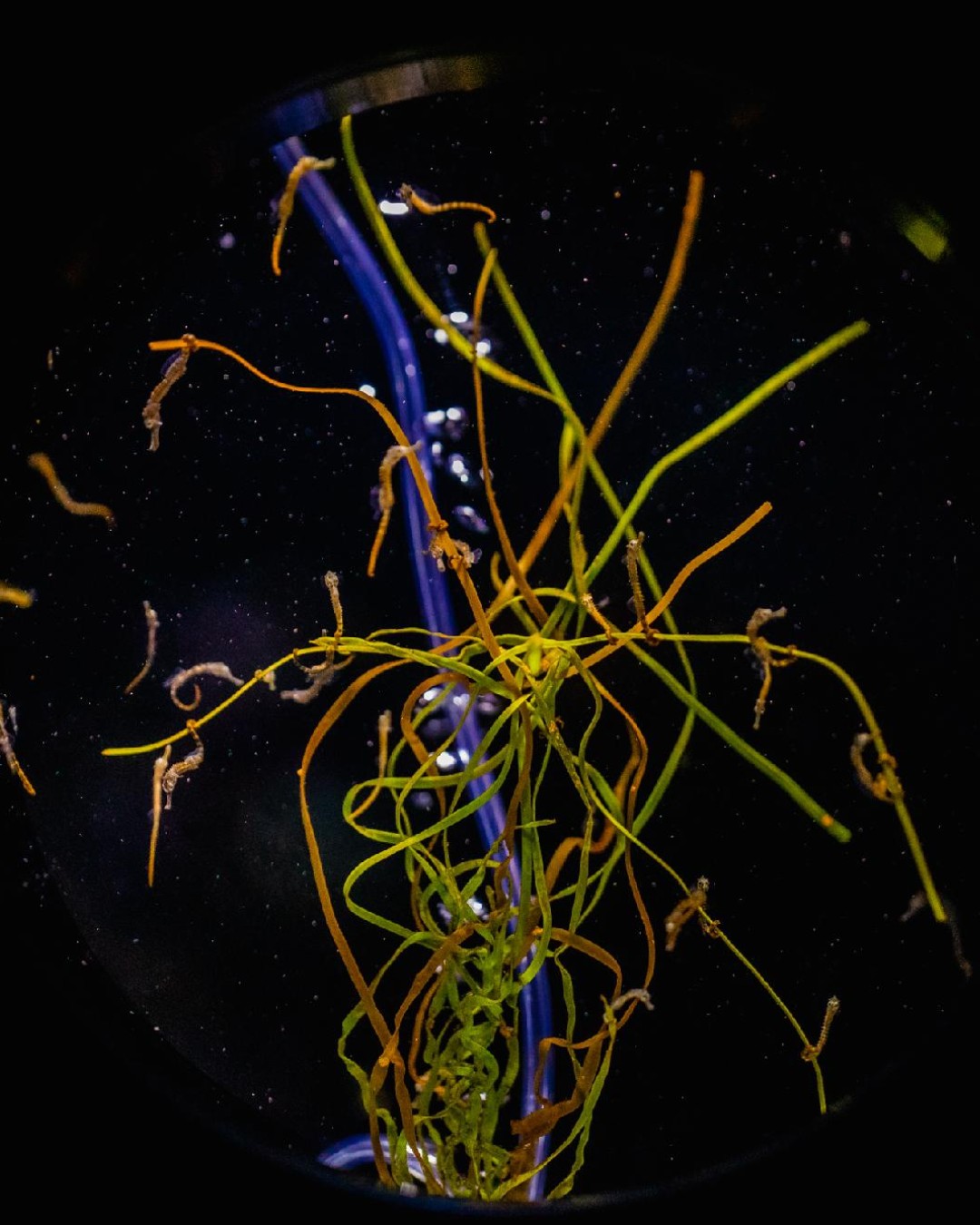
Baby seahorses, or fry, are especially captivating. When they are born, they resemble miniature versions of adults but are incredibly fragile. After hatching, they often drift in the currents, which prompts the need for careful attention in controlled environments like aquariums. Understanding their biology and the challenges they face in the wild is essential for anyone wanting to appreciate these creatures fully.
Caring for baby seahorses demands specialized knowledge. Their fragility and delicate nature require a carefully monitored habitat that mimics their natural environment as closely as possible. Water temperature, salinity, and pH levels must be regularly checked. Ideal water temperatures for baby seahorses generally range from 72°F to 78°F. These tiny creatures also require a high-quality diet that typically includes live baby brine shrimp, which provide the essential nutrients for their growth and development. As they grow, transitioning them to more varied diets of frozen and specially formulated seahorse food becomes essential.
Aquarium professionals often utilize specific breeding tanks for seahorses. Breeding pairs require a dedicated breeding tank with adequate space and structure where the female can deposit her eggs, and the male can fertilize them. The cycle of carrying young seahorses in their brood pouch is a unique aspect of their biology. Once the young seahorses are ready to emerge, they are released into the water column and must fend for themselves immediately. This lifecycle stage makes them particularly vulnerable and highlights the importance of careful monitoring.
Aquariums, such as Birch Aquarium, play a crucial role in conservation efforts for seahorses. Many species are threatened by habitat loss, overfishing, and the aquarium trade. Organizations focused on marine conservation push for habitat restoration initiatives. Aquariums serve as vital links between research, conservation, and public education. They offer safe spaces for breeding programs, allowing for population maintenance and enhancement while contributing valuable data to the scientific community.
One innovative approach to conservation involves educational programs that focus on public engagement. Informing visitors about seahorse biology, their habitats, and the challenges they face fosters a sense of responsibility toward conservation efforts. Programs like “Behind-the-Scenes Seahorse Tours” allow participants to engage directly with aquarium educators. During these tours, participants learn first-hand about the aquarium’s efforts in breeding and maintaining healthy seahorse populations, as well as strategies used to combat conservation challenges.
Equally important, these educational initiatives encourage participants to actively engage in conservation. Visitors become advocates for marine conservation and volunteer with outreach programs. They learn about the ecological role that seahorses play, not just as individual species, but as part of a broader marine ecosystem. This knowledge can inspire actionable changes in behavior, such as advocating for responsible seafood consumption and supporting sustainable aquaculture practices.
Public engagement is pivotal. It equips individuals with the awareness and understanding necessary to contribute positively to conservation efforts. Initiating community discussions around marine ecosystems or partnering with local organizations for cleanup activities can lead to impactful changes. Educational programs highlight how everyone can play a role—the cumulative impact of individual actions significantly enhances marine conservation endeavors.
Seahorse conservation takes on multiple dimensions, including habitat protection, educating the public, and sustainable practices. As they face declining populations in their natural habitats, initiatives focused on ecosystem restoration are critical. Protecting seahorses often translates to broader objectives that benefit entire ecosystems. By focusing on protective measures for seagrasses and coral reefs, the overall health of marine life improves, directly aiding seahorse populations.
Seahorses also represent broader themes in marine biology. Their intricate breeding behaviors, such as male pregnancy, challenge traditional gender norms present in the animal kingdom. This unique reproductive strategy can serve as a focal point for discussions on gender diversity across species. Such conversations enrich educational programs, appealing to a wide audience.
Aquarium facilities are critical in developing nurturing environments for these young seahorses. Daily care of seahorses includes monitoring for illness as well as ensuring optimal water quality. Staff must be skilled in recognizing symptoms of stress or disease. Providing appropriate stimuli and enrichment is also crucial for their development. Seahorses thrive in environments mimicking their natural habitats, which includes adequate plants for shelter and areas to hide.
Feeding routines are essential. Baby seahorses require feeding several times a day. Professionals must ensure that adequate food is available and provide nutrients that specifically support their growth stages. Live foods such as brine shrimp are often preferred due to their movement, which attracts the fry. As the young grow, scientists might introduce other types of food to promote variety in their diet.
The effort to foster a healthy population involves research and documentation. Data collection on feeding habits, growth rates, and reproductive success contributes to the ongoing knowledge base. This information informs best practices for feeding and tank maintenance, which can ultimately benefit broader conservation strategies for seahorses in the wild.
And while efforts in captivity are vital, so are initiatives aimed at protecting their natural habitats. Efforts to mitigate pollution, establish marine protected areas, and restore degraded ecosystems are all part of a holistic approach to ensuring the survival of seahorse populations. The aquarium community often collaborates with global organizations focused on habitat conservation, sharing insights and strategies to enhance awareness and action.
The experience of seeing baby seahorses up close is not just enriching; it’s a powerful reminder of the fragility of marine ecosystems. The emotional connection formed during these encounters can inspire action, leading individuals to advocate for environmental stewardship. Whether through informed consumer choices, participating in conservation campaigns, or simply sharing knowledge with others, every action counts.
In every step taken within aquariums and communities, there lies an opportunity to impact the future of these compelling creatures. Conservation of seahorses is tied not only to scientific efforts but also to fostering broad public interest and advocacy. Every small effort adds to the collective knowledge and resources dedicated to ensuring the survival of not just seahorses but the ecosystems they represent.
Aquarium experiences bring together science, education, and community, creating pathways for action. By offering behind-the-scenes insights and engaging educational programs, facilities like Birch Aquarium play a pivotal role in shaping environmental consciousness. Learning how to care for baby seahorses offers a hands-on way to connect with marine life while supporting vital conservation initiatives.
Everyone can be part of the solution. As awareness of the struggles seahorses face continues to grow, so too does the potential for concerted action. Each tour, discussion, and community project serves to reinforce the important role we all play in the conservation of our planet’s marine heritage. Let’s embrace this challenge and work together for a healthier ocean.
*****
Source Description
Ever seen baby seahorses up close? Curious what it takes to care for these one-of-a-kind creatures? Book a Behind-the-Scenes Seahorse Tour and find out!
🌊 Explore the Seadragons & Seahorses exhibition alongside a Birch Aquarium educator
🌊 Go behind the scenes to see how we care for baby seahorses
🌊 Discover how Birch Aquarium supports seahorse conservation efforts around the world
🎟️ Book your tour at the link in bio. This is a one-of-a-kind experience you won’t want to miss!
