
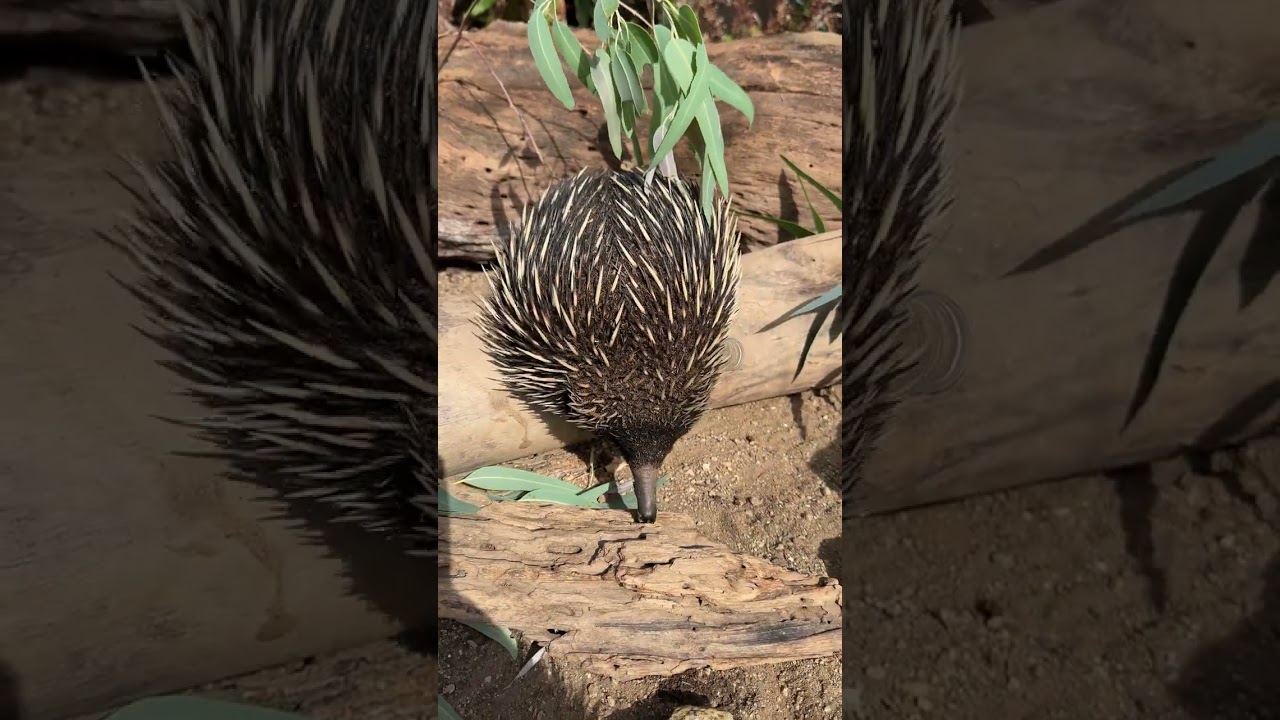
- Explore the biological and ecological features of echidnas within their habitat.
- Understand the role of Echidna Pals in promoting conservation education.
- Examine the challenges and strategies in managing wildlife conservation programs.
- Highlight the significance of zoo management practices in supporting echidnas.
- Discuss the impact of video descriptions on digital learning and public engagement.
Echidna Pals is an innovative project aimed at bridging the gap between academic zoology and practical wildlife conservation. In this endeavor, understanding the biology and ecology of echidnas becomes crucial. Echidnas, belonging to the family Tachyglossidae, are one of the only extant members of the monotreme order, distinguished by their egg-laying capability. Fossil records trace their origin back millions of years, showcasing their successful adaptation in diverse ecosystems. However, these fascinating creatures face ecological challenges today due to habitat destruction and limited genetic diversity.
Echidnas are primarily found in Australia and New Guinea. They inhabit a range of environments, from forests and woodlands to deserts and mountainous regions. Their distinctive spines and elongated snouts make them well-adapted to these varied habitats, where they play an integral role in natural pest control by consuming ants and termites. From a conservation standpoint, echidnas are listed under the Environment Protection and Biodiversity Conservation Act. Efforts such as habitat restoration and public education are vital for their continued survival.
The advent of Echidna Pals marks an important step in promoting conservation education. By using interactive technologies and media, the program effectively engages the public in learning about echidnas and their environment. Videos play a crucial role in this endeavor as they offer visual context and dynamic storytelling that can spark an interest in audiences of all ages. A well-crafted video description can enhance understanding by providing critical insights into the life-cycle, behavior, and conservation status of echidnas.
Zoo management practices are pivotal in the conservation efforts of species like echidnas. Zoos serve not only as educational platforms but also as breeding centers. They ensure that genetic diversity is maintained and facilitate research on reproductive biology and disease prevention. Proper habitat design within these enclosures mimics natural conditions, promoting the well-being of animals and allowing visitors to observe their natural behaviors. These practices form the backbone of ex-situ conservation strategies, helping to maintain viable populations of echidnas.
The management of wildlife conservation programs involves navigating a spectrum of challenges. From securing funding to building public support, these initiatives require substantial resources and collaboration among researchers, educators, and policymakers. Efforts to establish protected areas and legal frameworks are essential to counter habitat encroachment and land-use changes. Conservation strategies must balance societal development with ecological preservation, a task compounded by climate change and its unpredictable impacts on biodiversity.
The role of digital content, including video descriptions, cannot be overstated in the context of education and public engagement. Videos offer a versatile tool for storytelling, with descriptions enhancing accessibility and understanding. By capturing the attention of a broad audience, these descriptions enable viewers to grasp complex topics easily. They also help break down language barriers, making scientific and conservation insights accessible to a global audience. Therefore, educational content that includes comprehensive video descriptions is an indispensable asset in wildlife conservation initiatives.
In conclusion, the Echidna Pals project exemplifies an effective blending of zoology, conservation education, and digital media. It serves as a model for similar initiatives aiming to raise awareness and action towards wildlife conservation. Through the combined efforts of zoo management, innovative digital learning, and committed conservation strategies, we can hope to secure the future of enigmatic species like the echidna and ensure a more sustainable coexistence with our natural world.
*****
Source Description
Echidnas are known for their extra long snoots, tiny spiny bodies, and egg-laying abilities. Their rubbery snouts play an important role in navigating the world around them, helping echidnas detect electrical signals from insects like ants and termites as they forage through the soil. In native habitats, these magical monotremes are found throughout Australia, Tasmania and New Guinea.
#echidna #sdzsafaripark
