
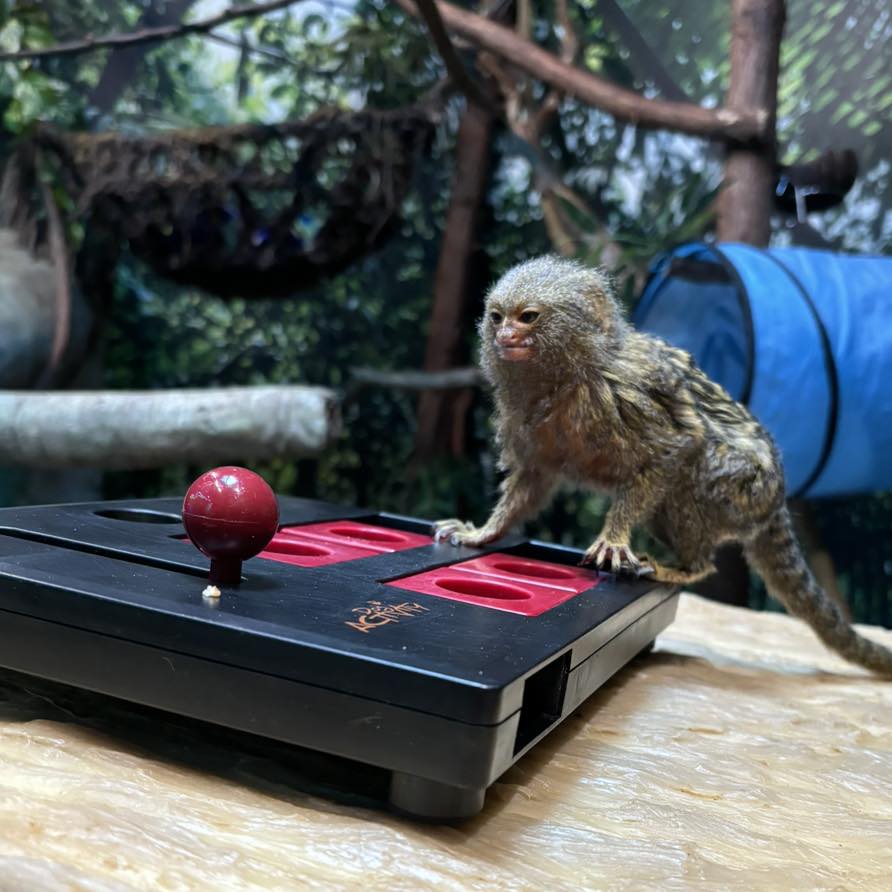
- Understanding the concept and purposes of enrichment in animal care
- The importance of observing animal behavior within zoological settings
- Learning to evaluate the effectiveness of enrichment techniques
- The various forms of enrichment that can be used for different species
- Engaging youth in conservation efforts through hands-on learning experiences
An exploration into animal care practices reveals a fascinating concept known as enrichment. Enrichment refers to various strategies aimed at enhancing the well-being of animals in captivity, which includes stimulating their natural behaviors. Providing environmental or behavioral stimulation plays a crucial role in animal health and happiness, offering more than just basic survival; it nurtures psychological welfare.
In an aquarium setting, for example, caregivers often employ enrichment items designed to mimic the animals’ natural habitats. These items might range from simple structures like logs and rocks to interactive puzzles that encourage animals to forage as they would in the wild. The goal is to replicate aspects of their natural environment, enriching their lives and promoting a range of species-typical behaviors.
Recognition of the importance of enrichment is pivotal. Various studies have shown that animals deprived of stimulation can exhibit stereotypical behaviors—repetitive, maladaptive actions like pacing or over-grooming that indicate stress or boredom. Enrichment activities can counteract these negative outcomes, offering animals opportunities to engage in instinctual behaviors like hunting, exploring, or socializing with others of their species.
Observation plays a vital role in the enrichment process. By watching animals interact with different enrichment items, caregivers can glean insights into their preferences and needs. Not all animals respond the same way to enrichment; individual differences exist based on species, age, and personality. This makes careful observation a critical skill. Through close monitoring, caregivers document how animals engage with enriching items, noting what sparks interest or inspires play.
Creating effective enrichment evaluations is another essential aspect of the program. These evaluations require caregivers to assess the impact of different enrichment strategies systematically. This includes recording data on animal behavior before, during, and after enrichment interventions. Such evaluations help identify successful enrichment strategies and refine those that may not be effective.
Moreover, the types of enrichment can widely vary and must cater to specific animal needs. Some common types of enrichment include physical, sensory, social, and dietary stimuli. Physical enrichment may involve structures for climbing or hiding, while sensory enrichment could involve novel scents, sounds, or visual stimuli. Social enrichment incorporates interactions with other animals, enhancing bonding and social behaviors, while dietary enrichment includes offering varied food items or presenting food in a manner that encourages problem-solving, much like foraging in the wild.
The upcoming Wild Ways to Play Day Camp on August 4th offers a unique chance for youth aged 9-12 to delve deeper into these concepts. Attendees will engage in observational activities, learning how to document animal interactions. By participating in this experience, young individuals can gain valuable skills that contribute to a better understanding of animal care and conservation.
Participation in hands-on activities during the camp will not only foster an appreciation for wildlife but also ignite interest in environmental stewardship. Children will leave with a greater understanding of how their actions can impact animal welfare. Engaging youth in conservation at an early age aids in building a connection to the environment, encouraging lifelong commitment to advocacy and preservation.
Additionally, attending the camp serves as a precursor to more extensive conservation efforts. Education plays a central role in building public awareness of wildlife challenges and the efforts needed to overcome them. As participants learn about the essential role of enrichment in animal care, they also become informed advocates for the importance of preserving natural habitats.
In structuring enrichment around new insights on animal psychology, caregivers can take on an active role in shaping positive outcomes. The engagement process also fosters a deeper emotional connection between humans and animals, reinforcing the idea that every being deserves a quality life, irrespective of their habitat. This initiative highlights the growing awareness of animal rights and welfare, promoting thoughtful practices in zoos and aquariums globally.
The formulation of practical enrichment strategies can be undertaken by the participants themselves during the program. Making enrichment items allows for creativity and innovation while considering the specific needs of different species. This hands-on experience gives campers a direct role in animal care, bridging the gap between theoretical knowledge and practical application. Crafting enrichment items can showcase how small changes can significantly uplift an animal’s quality of life.
As they learn about animal evaluation and behavior, participants will also get a chance to witness firsthand how different enrichment items influence engagement and activity levels. The aquarium setting provides a living laboratory, allowing attendees to observe natural animal behaviors in response to introduced environmental stimuli.
This immersive learning opportunity not only enlivens the educational experience but also encourages critical thinking. Campers will be equipped to analyze behaviors, make observations, and draw conclusions. They will be challenged to think like caretakers, considering what might motivate an animal’s engagement with specific enrichment items.
In fostering these skills, children will become young stewards of wildlife conservation. They can translate their newfound knowledge into meaningful action, advocating for animal welfare in their local communities. The integration of enrichment into wildlife care becomes a tool for empowerment, revealing how awareness and action can lead to improved practices in zoological institutions.
Scientific literature documents the positive correlations between enrichment and animal health, providing valuable information for caregivers. By understanding specific species’ needs, develop effective enrichment strategies that are holistic and multifaceted. This makes implementing enrichment a dynamic process, tailored to meet the ever-shifting demands of animal behavior.
Creating a collaborative environment sparking cooperation among caregivers is also beneficial. Sharing knowledge and techniques fosters a culture of continuous learning. It positions enrichment practices as integral to animal husbandry rather than an additional responsibility.
The collective effort of caregivers, educators, and young learners ensures that the principles of enrichment are upheld and advocated within the larger community. The Wild Ways to Play Day Camp aims to cultivate this collaborative spirit, promoting the idea that everyone can contribute to animal welfare, regardless of their background.
As children engage with the enrichment process, they begin to embody the values of conservation and responsibility. They recognize that animal welfare efforts extend beyond the confines of aquariums and zoos, fostering a broader perspective on wildlife preservation and habitat protection.
Through programs like these, we nurture future generations capable of addressing the complexities of wildlife conservation with empathy and knowledge. We embrace the potential of youth involvement to introduce innovative ideas to traditional practices. Together, we can inspire a wave of change, encouraging the development of a more thoughtful approach to animal care and conservation.
Enrichment is not an isolated practice; it is tied closely to the broader mission of wildlife conservation. By incorporating enrichment into animal care practices and youth education, we support a two-fold goal: enhancing the well-being of animals in captivity while fostering a sense of responsibility towards wildlife protection.
As participants prepare for the day of the camp, they will experience firsthand how pivotal enrichment is in animal welfare. Equipped with the understanding of how to observe behaviors, evaluate enrichment items, and engage in hands-on activities, campers will leave empowered to be advocates for wildlife conservation.
Their learning will extend beyond the confines of the camp, as the lessons on the significance of enrichment can be applied to everyday life situations. It nurtures a mindset focused on positive change, connecting youth with the vital aspects of animal welfare and ecological stewardship. By participating in such events, we cultivate the next generation of conservation leaders, dedicated to making a difference in the field of wildlife preservation.
*****
Source Description
🕹️ Wild Ways to Play 🕹️
Ever wonder what those items in some of habitats are? Join us August 4th from 8:30-11:30am for our Wild Ways to Play Day Camp to learn all about enrichment, the importance of it, and how it is used for all of our animals throughout the aquarium! Participate in observations and learn how to write enrichment evaluations, as well as create your own forms of enrichment!
Pre-registration and sneakers required. Ages 9-12. Link in bio to register ⬆️
