
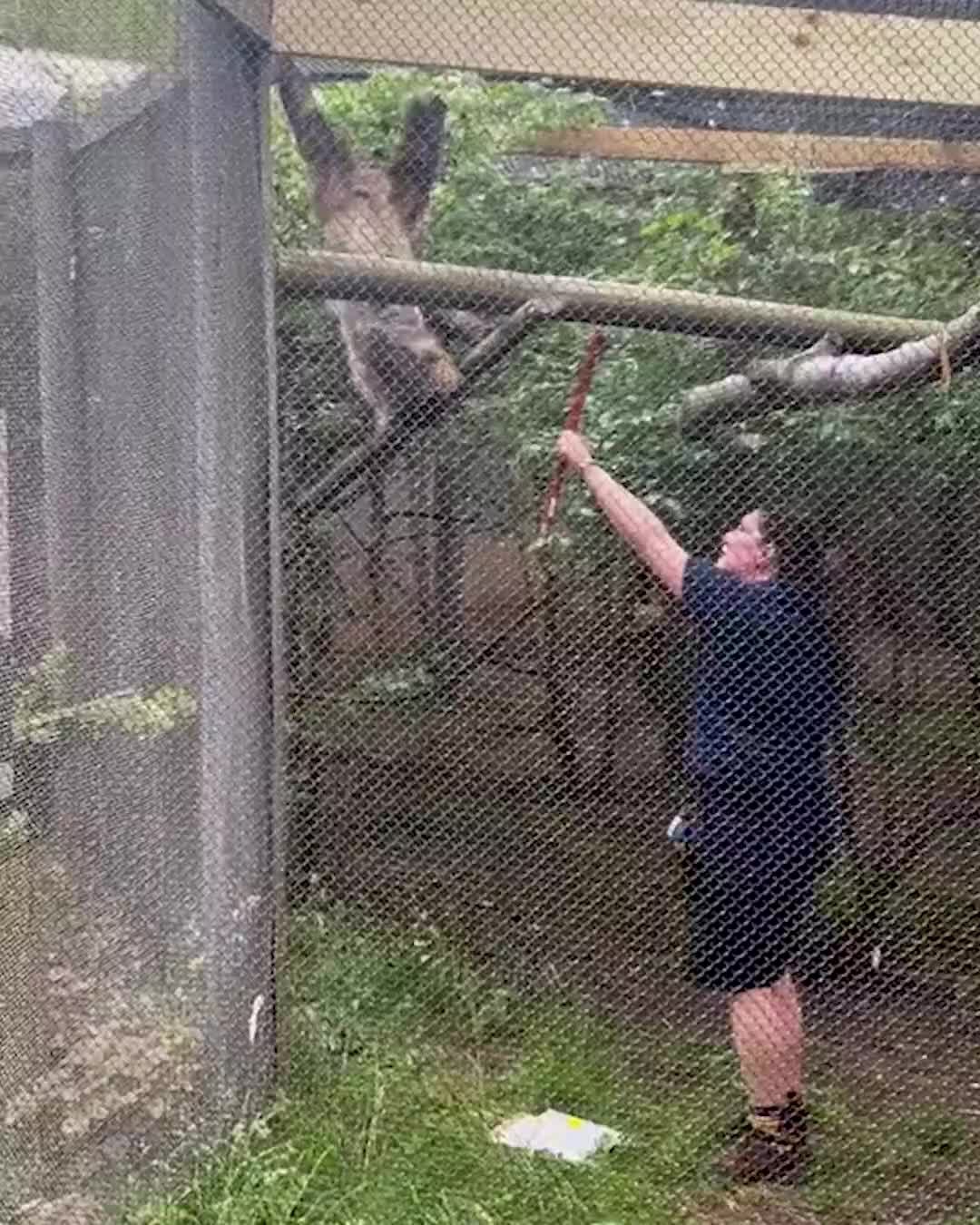
- Positive reinforcement training in sloths promotes natural behaviors.
- The art of sloth painting as a form of enrichment.
- Understanding the cognitive abilities and behaviors of sloths.
- The importance of mental stimulation for animal well-being.
- The broader implications of animal art for conservation awareness.
Exploring the concept of sloths painting opens an intriguing window into the world of animal behavior and enrichment. Positive reinforcement training has become a prominent technique for engaging various species, particularly in zoological settings. When implemented thoughtfully, it encourages natural behaviors in animals, such as reaching and grabbing. In the case of sloths, this training allows them to hold a paintbrush and engage in creative activities. These interactions not only offer entertainment but are essential for the sloth’s mental health and overall well-being.
The sloth, an animal native to Central and South America, is known for its slow movements and unique lifestyle. While these traits may seem simplistic, sloths possess cognitive abilities that allow for learning and adaptation. Using positive reinforcement, trainers at various zoos and sanctuaries have successfully engaged sloths in novel activities like painting. The training hinges on the principles of operant conditioning, wherein desirable behaviors are encouraged through rewards, creating a positive feedback loop.
Training a sloth to paint is no simple task and requires a significant commitment of time and effort. The animals are carefully coaxed into holding a paintbrush. Each time they reach for the brush, they receive a reward, such as a favorite treat. This approach slowly conditions the sloth to associate the act of painting with positive outcomes. The task’s difficulty can vary; some sloths may take longer to grasp the concept than others. Nevertheless, patience remains a key factor.
Sloth painting serves as a valuable form of enrichment. Enrichment refers to various strategies employed in animal care settings to enhance the overall quality of life for animals. For sloths, painting mimics natural behaviors while providing mental stimulation. Engaging in an artistic activity allows sloths to exercise their fine motor skills and keeps their minds active. This stimulation is vital because sloths in captivity can experience boredom or stress if their environment lacks complexity.
The cognitive abilities of sloths pique the interest of many zoologists and animal behaviorists. Research indicates that sloths are capable of learning from experiences, demonstrating problem-solving skills akin to other mammalian species. The brain of a sloth, although smaller than many other animals, is adapted to its low-energy lifestyle. This adaptation allows sloths to thrive in their natural habitat, which presents limited opportunities for rapid behavior changes. Understanding this cognitive flexibility opens new avenues for animal training and enrichment strategies.
In addition to enhancing individual animal well-being, the act of sloth painting has implications beyond zoo walls. Animal art serves as a potent tool for raising awareness about wildlife conservation. When people witness sloths engaging in such creative activities, they often become more emotionally invested in these animals and, by extension, their habitats. The visuals of a painted canvas created by a sloth can instill a sense of wonder that motivates individuals toward conservation efforts.
The broader implications of animal art extend into public perceptions of zoos and sanctuaries. Engaging activities like painting can reshape the narrative around animal care facilities, showcasing them as places for meaningful enrichment rather than mere entertainment. This shift not only fosters a better understanding of the complex needs of animals in human care but also encourages ongoing support for conservation initiatives that protect their wild habitats.
Artistic projects involving animals also provide opportunities for research. Understanding how animals interact with tools—like paintbrushes—offers insights into their cognitive processes. Studies on art created by various species lend weight to the growing recognition of animal intelligence. Recognizing that animals possess the capacity for creativity can encourage a paradigm shift in how conservation efforts are approached.
The process behind training sloths to paint emphasizes the significant role animal trainers and zookeepers play in fostering an environment conducive to learning. These professionals must deploy strategies that prioritize animal choice and comfort. A well-trained animal will not only demonstrate preferred behaviors but will also express preferences that align with its welfare.
As people engage with animal art, they may begin to understand the deeper connections between wildlife and human experience. The curiosity sparked by such activities can lead to a dialogue about habitat preservation, biodiversity, and ethical treatment of all living creatures. Through these shared experiences, awareness and understanding of animal rights and ecological conservation can grow.
Incorporating animals into art-based initiatives also prompts discussions about the ethical considerations surrounding animal training. Questions arise about whether animals are being forced into activities that may not align with their natural behaviors. Standards of animal welfare must always be at the forefront when designing enrichment programs. A careful assessment of individual animal needs and preferences is crucial in ensuring that activities like painting remain enjoyable and beneficial.
Participating in artistic endeavors can provide positive life experiences for animals, facilitating social interactions with their trainers and the public. These activities also allow for individualized care, catering to the personality traits and preferences of each sloth. This level of attention helps to build trust between humans and animals, facilitating a cooperative relationship that promotes mental well-being.
Positive reinforcement training and sloth painting not only spotlight the artistry of these creatures but also connect audiences to broader themes in conservation. As interest in these activities grows, so does the potential for collaborative efforts aimed at protecting sloth populations in the wild. Many species are threatened by habitat loss and illegal pet trade, making raising awareness an urgent necessity.
The conservation narrative surrounding sloths should emphasize their role in the ecosystem. As slow-moving herbivores, sloths contribute to maintaining the biodiversity of their habitats. They further influence the plant life around them through their unique feeding habits, which can help promote healthy forest growth. Understanding these interconnections can foster a greater appreciation for the species and inspire more meaningful conservation efforts.
The act of sloth painting illustrates more than just a whimsical endeavor; it serves as a bridge between human perspectives and animal welfare. The joy felt by those who observe a sloth gently creating art can have far-reaching effects, heightening empathy toward wildlife and its preservation. Engaging with the artistry of sloths prompts a larger conversation about how we view and interact with the animal kingdom.
As we contemplate the implications of sloth painting, we can see how it arises from a blend of training, understanding, and respect. Allowing sloths the opportunity to express themselves artistically showcases their individual capabilities while reinforcing the necessity for mental engagement and stimulation in animal care. Positive reinforcement remains a cornerstone of such interactions, enabling trainers to recognize and celebrate each animal’s success.
The paintbrush held in a sloth’s tiny paws serves as more than a tool; it embodies the connection forged between humans and animals through compassion and understanding. The final artwork, often vibrant and surprising, acts as a tangible outcome of this relationship. Each brushstroke becomes a testament to the care put into the training process and the emotional bond formed in the pursuit of enrichment.
With increased awareness comes the potential for innovative conservation initiatives that can embody this connection. Sloth art can inspire community engagement projects, fundraisers, and educational programs that prioritize habitat protection. By focusing on collaborative pathways that include art and creativity, the dialogue surrounding sloths and their conservation can expand, invigorating efforts to elevate their global status.
Animal painting activities merge artistry, behavior, and conservation, providing a multidimensional perspective on sloths. Through these creative expressions, we can appreciate them not only as subjects of wildlife conservation but as intelligent beings capable of interaction and thought. The importance of mental stimulation cannot be overstated, particularly within the context of captive animals.
Through the lens of sloth painting, we observe how enriched experiences can create pathways toward empathy, awareness, and action. Whether seen in a standalone painting or as part of a larger initiative, the act of sloths holding paintbrushes serves as a reminder of our shared responsibility toward all living beings. As we celebrate the moments of creation, we also foster an understanding that every stroke may contribute to greater awareness and conservation efforts for these fascinating creatures.
*****
Source Description
Have you ever seen a sloth paint?🖌️ Through positive reinforcement (and lots of patience!), Rowsey has been trained to hold a paintbrush! Training like this encourages natural movements, like reaching and grabbing, and keeps our sloth mentally stimulated which is important to her overall well-being. What do you think of the final product? 🎨
