
- The concept of “loafing” in animals and its significance in animal behavior
- Examples of various animals known for loafing and their unique characteristics
- The role of loafing in animal welfare and zoo management
- Insights on wildlife conservation and how loafing behavior is observed in the wild
- The relationship between loafing and animal health and behavior
Animals display a range of behaviors that reflect their adaptability and comfort within various environments. One such behavior is “loafing,” a term often used to describe animals resting in a relaxed position, appearing calm and content. This behavior can be observed in many species, from large carnivores to small herbivores, and has far-reaching implications for understanding animal behavior, management in captivity, and welfare.
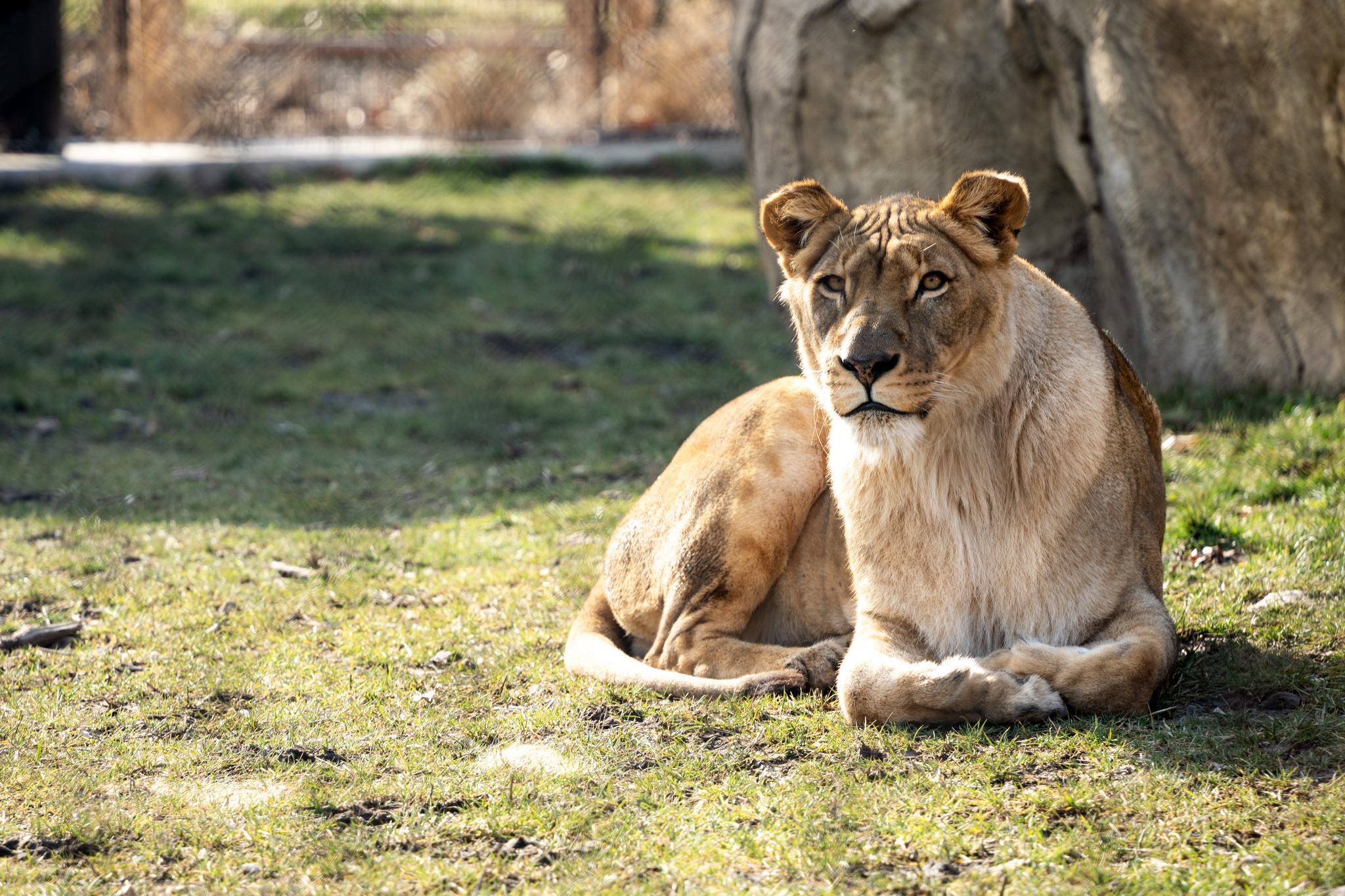
Loafing is not simply a sign of idleness; it reflects a state of relaxation and security. When animals loaf, they often assume specific postures, such as lying down flat or sitting upright with limbs tucked in. Observing these postures can provide insights into how animals feel in their environments. For example, a lion loafing after a satisfying meal may indicate a sense of security, whereas a goat loafing with one eye open may suggest vigilance. This behavior can reveal a lot about an animal’s stress levels and overall health.
Examples of animals that exhibit loafing behavior are varied and fascinating. The African lion, a quintessential symbol of strength and power, is often seen lounging in the sun. On the other hand, the domestic goat brings its own charm when it loafs, balancing a playful yet watchful demeanor. Interestingly, loafing doesn’t just belong to mammals; birds, such as the southern ground hornbill, also display this behavior. This species, known for its striking black plumage and red throat, often loafs in small groups, signaling both contentment and social bonding.
Among birds, loafing serves a pivotal role in energy conservation. When ground hornbills are loafing, they remain alert to potential threats while conserving energy for their next foraging adventures. This adaptability is crucial for survival in their natural habitats. Observing loafing in different species demonstrates the diversity in behavior across the animal kingdom, reinforcing the need for tailored management approaches in zoos and sanctuaries.
Zoo management is increasingly recognizing the importance of loafing in understanding animal welfare. Many modern zoos focus on providing environments that encourage natural behaviors, including loafing. This shift from traditional viewing to interactive exhibits emphasizes animal behavior and emotional well-being. By observing animals loafing, zookeepers can assess the impact of enclosures, social dynamics, and overall health.
For instance, consider how lions loaf in their habitats. In a well-designed exhibit, lions may lounge comfortably in the shade, showcasing relaxed behaviors. This behavior not only signifies comfort, but it also provides opportunities for educational moments. Zoo visitors can engage with zookeepers to learn more about the lions’ natural behaviors in the wild, including hunting strategies and social structures.
In terms of relation to health, loafing too often or too little can hint at underlying issues. A significant decrease in loafing may indicate stress, illness, or discomfort. Conversely, excessive loafing in a previously active animal can signal lethargy, indicating the need for veterinary intervention or changes in care routines. Understanding these nuances enforces the importance of vigilant observation in zoos.
In the context of conservation, recognizing loafing behavior can illuminate the challenges faced by wildlife. Many animals, when under threat from habitat loss or human interference, may alter their behavior, including their loafing patterns. For example, urbanization may force certain species to loaf in less ideal areas, affecting their health and reproductive success.
Wildlife conservation efforts often hinge on understanding animal behaviors like loafing. By studying these behaviors in natural settings, conservationists can develop strategies to mitigate the impacts of environmental changes. This can involve creating wildlife corridors, restoring natural habitats, and engaging local communities in conservation efforts.
Loafing behavior also elevates social interactions among species. For example, in some primate species, loafing provides a social context for grooming, playing, and bonding, reinforcing group structures. These interactions can critically contribute to animal welfare, aiding in mental and physical health.
The loafing behavior of goats presents a further example of this phenomenon. Known for their curious nature, goats display a blend of loafing and exploration. Unlike more solitary creatures, goats often loaf in groups, which helps establish social hierarchies. Their loafing habits can indicate the health of the herd and their interactions can prevent stress and promote overall well-being.
Birds such as the southern ground hornbill also engage in loafing as part of their social behaviors. In the wild, they loaf in groups, engaging in mutual grooming and vocalizations that are vital for maintaining social bonds. These interactions have been shown to reduce stress and promote well-being, which highlights the importance of social arrangements in animal behavior.
Zoo management employs the observation of loafing behavior to design enriching environments. Species-specific enrichment strategies focus on replicating natural behaviors that encourage healthy loafing patterns. For instance, providing suitable substrates or resting areas enhances comfort. Additionally, ensuring that social animals are housed in compatible groups fosters loafing behaviors which are critical for maintaining social order and emotional health.
Moreover, these observations have played a role in designing conservation programs. By closely monitoring loafing behavior in different species, conservation biologists can glean insights into habitat conditions that may help optimize rewilding efforts. By prioritizing comfort and security, conservationists can improve success rates in reintroducing species back into their natural habitats.
Loafing does not exist in isolation; it is intrinsically linked to other behaviors such as foraging and social interaction. Observing how animals shift from active states to loafing can reveal important patterns regarding their adaptive strategies. The frequency and context of loafing offer key insights into stability within ecosystems and health of populations.
The importance of education in zoos regarding loafing behavior also cannot be overstated. By highlighting the significance of such behaviors to visitors, zoos create opportunities for deeper understanding of animal welfare, conservation efforts, and ecological balance. Programs that educate the public about loafing behaviors encourage responsible stewardship of wildlife and inspire future conservationists.
Furthermore, understanding loafing can foster a broader appreciation for wildlife. Visitors may leave with a newfound understanding of animal behavior, reinforcing the connection between human actions and wildlife conservation. This awareness serves as a catalyst for greater participation in conservation efforts, leading to impactful lifestyle changes and advocacy.
Examining the nuances of loafing reveals that despite their differences, all animals share common behaviors that can indicate their states of health and well-being. By promoting environments that allow for natural loafing, both in zoos and in the wild, we contribute to the overall quality of life for various species.
Recognizing this behavior improves zoo management strategies and fosters a deeper understanding of how animals interact with their environments, both in captivity and in the wild. Ultimately, loafing transcends the simple act of resting; it embodies an essential aspect of animal behavior interconnected with welfare, conservation, and our shared responsibility to protect wildlife.
With on-the-ground observations and scientific studies revealing the significance of loafing, both zoos and wildlife conservationists can better address the needs of animals, ultimately paving the way for healthier ecosystems and thriving wildlife populations. By advocating for improved care in captivity and enriched habitats in the wild, we enhance the lives of these animals and reinforce the balanced relationship we share with the natural world.
*****
Source Description
Does it loaf? Yes! You might expect a lion loaf, but how about a goat loaf? Or a southern ground hornbill loaf? What other animals have you seen loafing around at the Zoo?
