
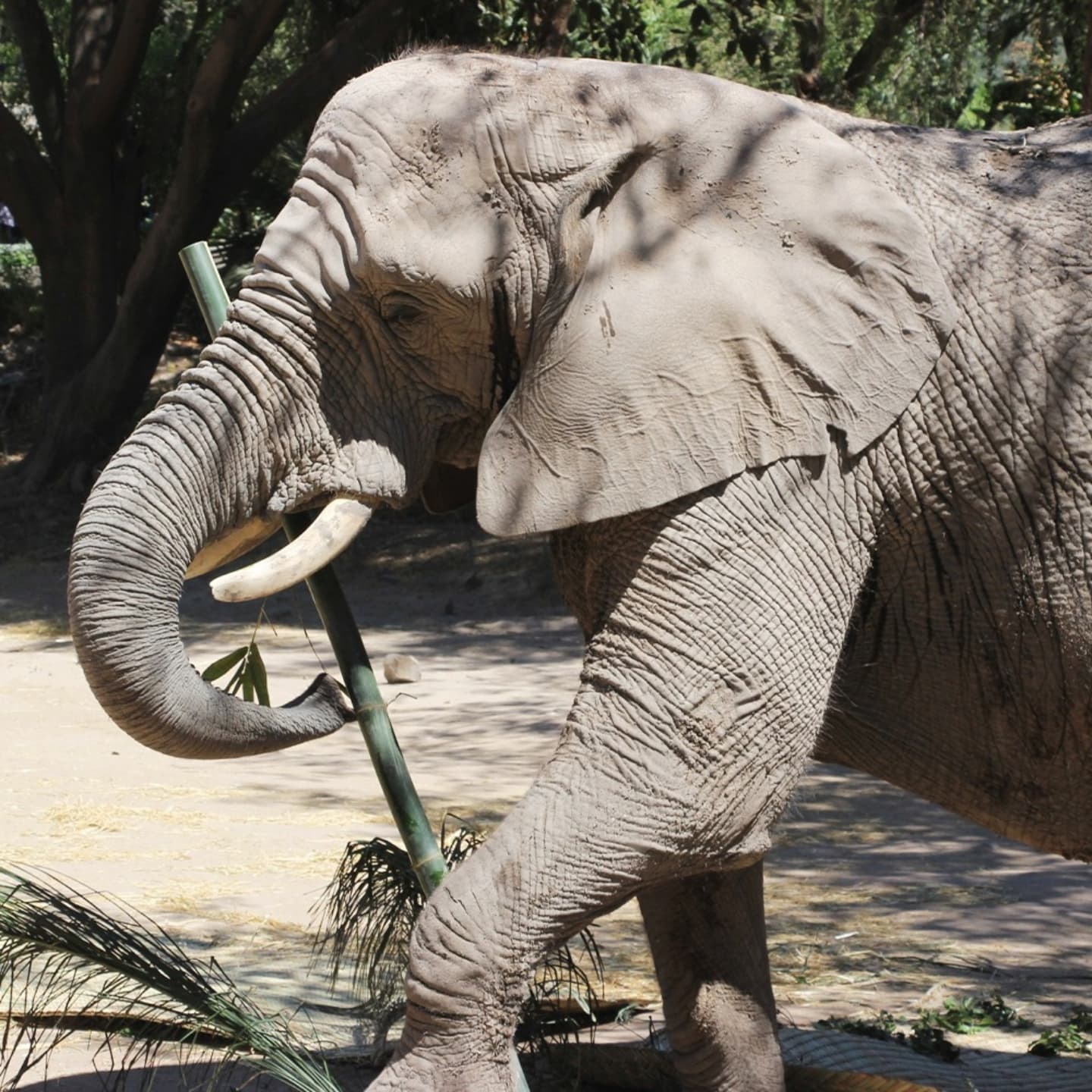
- Elephants’ diet and feeding habits play a crucial role in their strength and health.
- Their tusks are multifunctional tools essential for survival in their natural habitat.
- Behavioral adaptations, such as food storage, enhance elephants’ resilience.
- Elephants’ care and conservation in zoological environments contribute to their well-being.
- Visiting establishments like Guadalajara Zoo provides educational opportunities and supports conservation efforts.
Elephants are renowned for their remarkable strength and size, attributes that are intrinsically linked to their diet and feeding habits. These magnificent creatures have evolved to thrive on a diet rich in diverse vegetation, which they skillfully gather and consume using their versatile trunks. These appendages serve as essential tools not only for collecting food but also for manipulating it with exceptional precision. During the day, elephants diligently forage for grasses, leaves, and fruits, securing the nutrients necessary for their formidable physiques.
Their diet isn’t just about quantity; it’s about variety. This nutritional diversity aids digestion and improves their overall health. Elephants consume up to 300 pounds of food daily, with grasses constituting a significant portion of their intake. However, they also feed on other plant materials, such as bark, which provides essential roughage necessary for their digestive systems.
Beyond their feeding practices, elephants also display remarkable behavioral adaptations that contribute to their sustenance. They have been observed using their tusks to strip bark from trees, a behavior that aids in acquiring minerals absent in their primary diet. This resourcefulness highlights the extent to which elephants utilize available resources to maintain their health.
But there’s an extraordinary aspect of their behavior that is less known: elephants often store food on their backs. This surprising tactic allows them to have a reserve for later consumption, ensuring they can withstand periods when foraging conditions are less favorable. This behavioral adaptation underlines their resilience and intelligence, crucial traits for survival in challenging environments.
It’s vital to consider the role of conservation environments like zoos in understanding and supporting elephants’ well-being. Facilities such as Guadalajara Zoo play a pivotal role in the conservation and education of these animals. Zoos offer a sanctuary where elephants are provided with a balanced diet, regular veterinary care, and an environment that mirrors their natural habitat as closely as possible. This protective setting supports their physical and psychological health and fosters a deeper understanding of their needs among researchers and visitors alike.
Visiting such establishments not only affords visitors the opportunity to observe these majestic animals up close but also bolsters conservation initiatives through education and funding support. By learning about elephants’ dietary and behavioral adaptations, visitors are inspired to contribute to broader conservation efforts, ensuring these giants continue to roam the earth for generations to come.
Elephants’ survival is a testament to their adaptability and resourcefulness, supported by their feeding strategies and the environments provided by dedicated conservation sites. Their ability to manipulate their surroundings and secure nourishment even in challenging conditions is a powerful reminder of nature’s ingenuity, encouraging ongoing efforts to protect these captivating creatures.
*****
Source Description
¿ los elefantes tienen un secreto para mantenerse fuertes? 🐘🐘🍃 Estos gigantes de la naturaleza durante el día, recogen y manipulan los alimentos con su trompa; incluyendo hierba, hojas y frutas.
También usan sus colmillos para raspar corteza de los árboles. 😮 Además guardan parte de su festín en sus espaldas para cuando lo necesiten. 🍃🌍💚
.
¡Visítalos en tu Zoológico Guadalajara y aprende más sobre ellos!
