
- Understanding Genetic Relationships in Zoology
- The Eastern Tiger Salamander: An Overview
- Habitat and Behavior of the Eastern Tiger Salamander
- Conservation Challenges and Efforts
- How Individuals Can Get Involved in Wildlife Conservation
The inquiry of whether individuals have a direct genetic relationship to actual tigers may sound amusing at first. However, understanding genetic links among species is a core aspect of zoology that sheds light on biodiversity and evolutionary processes. Humans share a genetic heritage with many animals, including various species within the animal kingdom. Despite the vast difference in appearance and behavior, humans and tigers do share a common ancestry, albeit a distant one.
From a zoological perspective, the relationship between humans and tigers is just one facet of the extensive genetic connections that exist across species. These ties illustrate how closely related many organisms are and underscore the importance of considering evolutionary history in conservation biology.
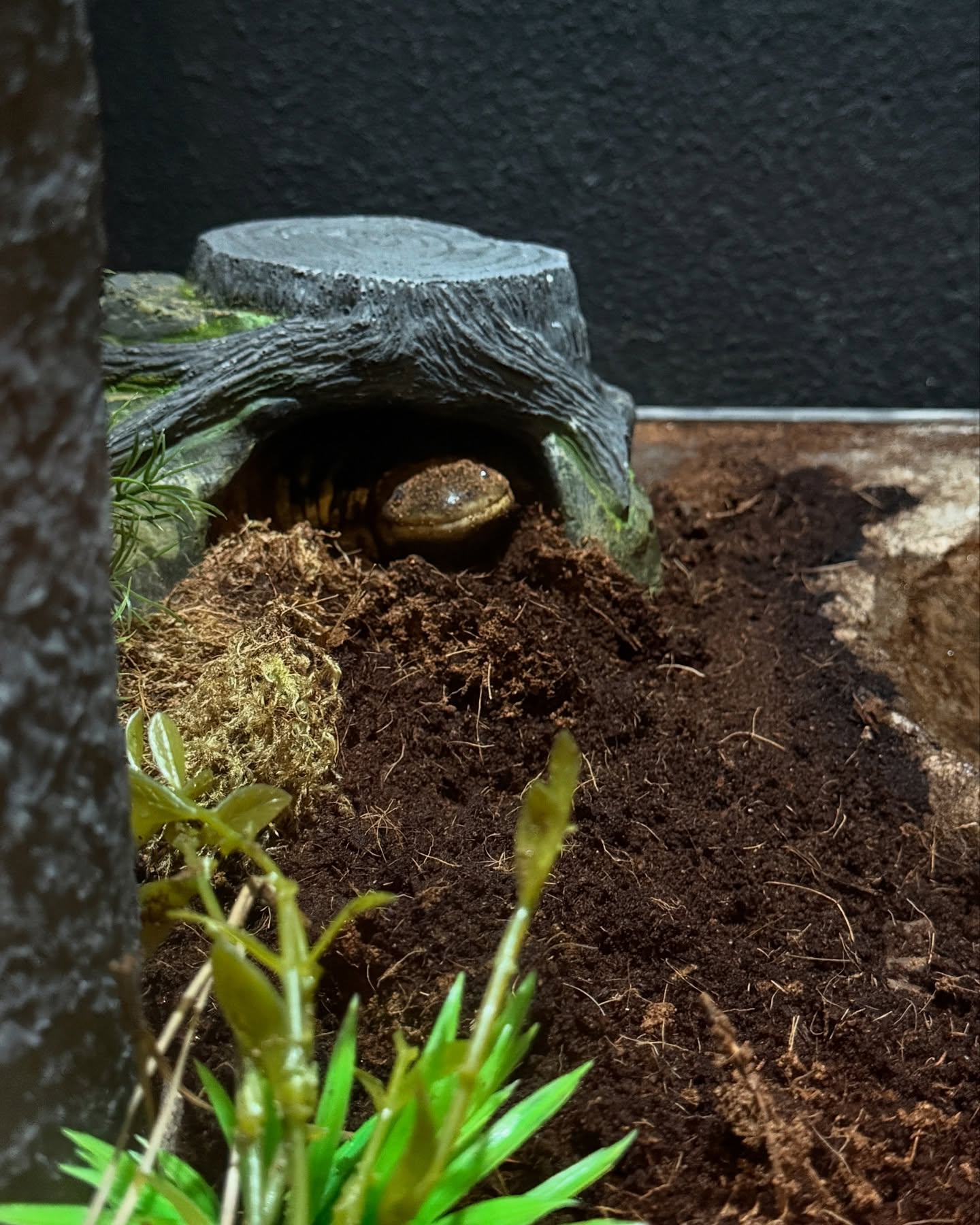
Among the captivating species that emerge from discussions on genetics is the eastern tiger salamander (Ambystoma tigrinum). This fascinating amphibian is native to the Southeastern United States, including North Carolina, where it holds the title of being the largest salamander in the Ambystomatidae family. While it might not share a direct genetic relationship with tigers, the salamander’s name evokes the majestic predator and serves to highlight its ecological significance.
Eastern tiger salamanders are primarily subterranean and spend much of their life underground in a complex network of burrows. They emerge during specific periods, primarily for breeding. Their habitat preferences, reproductive behaviors, and ecological roles present an important insight into the biodiversity of their ecosystems.
The habitats of eastern tiger salamanders vary. They are usually found in areas with moist soil and seasonal ponds, which serve as breeding sites. However, human activities such as urbanization and agricultural expansion pose threats to these critical habitats. Understanding the behaviors and needs of this species can help guide conservation efforts aimed at mitigating these impacts, protecting both the salamanders and their natural habitats.
One of the most pressing challenges for the eastern tiger salamander is habitat loss. Wetlands and seasonal ponds that are crucial for their breeding have been drained or altered. Pollution and climate change also complicate their survival, leading to questions about their future in a rapidly changing environment. Conservationists are actively engaged in protecting existing habitats and creating new breeding sites to support this species.
Public education plays a vital role in conservation efforts. It fosters community involvement and raises awareness regarding the plight of local wildlife. Programs that promote awareness about the benefits of diverse ecosystems can inspire individuals to get involved in conservation initiatives. Support for local wildlife agencies through volunteer programs, donations, and advocacy can help bolster the survival of not only the eastern tiger salamander but countless other species that share its habitat.
Individuals can also play crucial roles in conservation efforts. Simple actions like reducing pesticide use, conserving water, and participating in local clean-up initiatives can positively affect local wildlife populations. Creating a backyard habitat with native plants can also support various species, including amphibians. Education about responsible pet ownership and landscaping can further minimize negative impacts on wildlife.
Engagement in wildlife conservation extends to participating in citizen science projects that monitor local ecosystems. These initiatives enable community members to contribute to scientific studies and data collection, enhancing the understanding of local species and their needs. By participating in local conservation efforts, individuals not only gain knowledge about their environment but also become crucial advocates for wildlife.
The eastern tiger salamander may not share a direct genetic relationship with tigers, but it represents the intricate web of life that connects all organisms. Understanding genetic relationships among species opens avenues for appreciating the complexity of ecosystems while highlighting the significance of every organism, however small or seemingly distant from apex predators like tigers.
In essence, while your genetic connection to tigers may be tenuous, the relationship underscores the importance of biodiversity and highlights the role every species plays within an ecosystem. Knowledge of these connections fosters respect and care for wildlife, motivating active participation in conservation initiatives.
As individuals continue to explore their connection to nature, understanding species like the eastern tiger salamander adds depth to that relationship. By learning about and advocating for wildlife conservation, we can work together to protect these species so that they thrive in their natural habitats for generations to come.
*****
Source Description
When someone asks if you have a direct genetic relationship to actual tigers 🫥
Native to North Carolina, the eastern tiger salamander is the largest species in the Ambystomatidae, or mole salamander, family, and spends most of its life underground.
Come learn more about them in Carolina Wildlife! Plan your visit at the link in our bio.
