
Summary of Do You Speak Meerkat?:
The content discusses the concept of communication, emphasizing that while humans use verbal and non-verbal methods, it’s interesting to explore how other animals communicate. It raises questions about which animals might have structured communication systems similar to human language. The post is linked to the Los Angeles Zoo and Botanical Gardens and specifically mentions meerkat communication.
- Communication methods in meerkats and their significance.
- Types of calls and their meanings within meerkat communities.
- The role of body language in meerkat interactions.
- The importance of understanding animal communication for conservation efforts.
- How studying meerkat communication can provide insights into social structures.
Animal communication serves as an essential aspect of survival and social interaction. In the case of meerkats, these small, social mammals possess intricate ways of relaying information, critical for their well-being. Their handling of communication showcases both vocalizations and body language, providing a window into the complexities of animal behavior.
Meerkats, members of the mongoose family, are native to southern Africa, primarily found in regions like the Kalahari Desert. Their social structure is highly organized, revolving around groups known as clans, which can consist of up to 50 individuals. Communication methods play a pivotal role in maintaining social bonds and ensuring group cohesion. This article explores the fascinating world of meerkat communication by examining their vocalizations, body language, and the broader implications for wildlife conservation.
The vocalizations of meerkats are among the most remarkable aspects of their communication style. They use a range of calls to convey different messages. When threatened by predators such as eagles or jackals, they produce urgent alarm calls to alert other members of the group. The tone and intensity of these calls vary depending on the degree of danger, allowing clan members to assess threats accurately. For instance, a specific high-pitched warning may indicate a ground predator, while a more drawn-out call signifies air-based threats.
In addition to alarm calls, meerkats employ ‘contact calls’ to maintain group cohesion. These calls help individuals locate one another, particularly in the vast and often sparse environments they inhabit. When a clan member strays too far, others may issue gentle vocalizations to guide them back. The beauty of these calls lies in their ability to create a sense of belonging, reinforcing social bonds.
Moreover, the complexity of meerkat communication is further highlighted by the presence of different dialects among various groups. Research has suggested that distinct clans develop unique vocal patterns over time, similar to how human languages evolve. Such variations signify a keen adaptation to their environment and underline the significance of social living in meerkats.
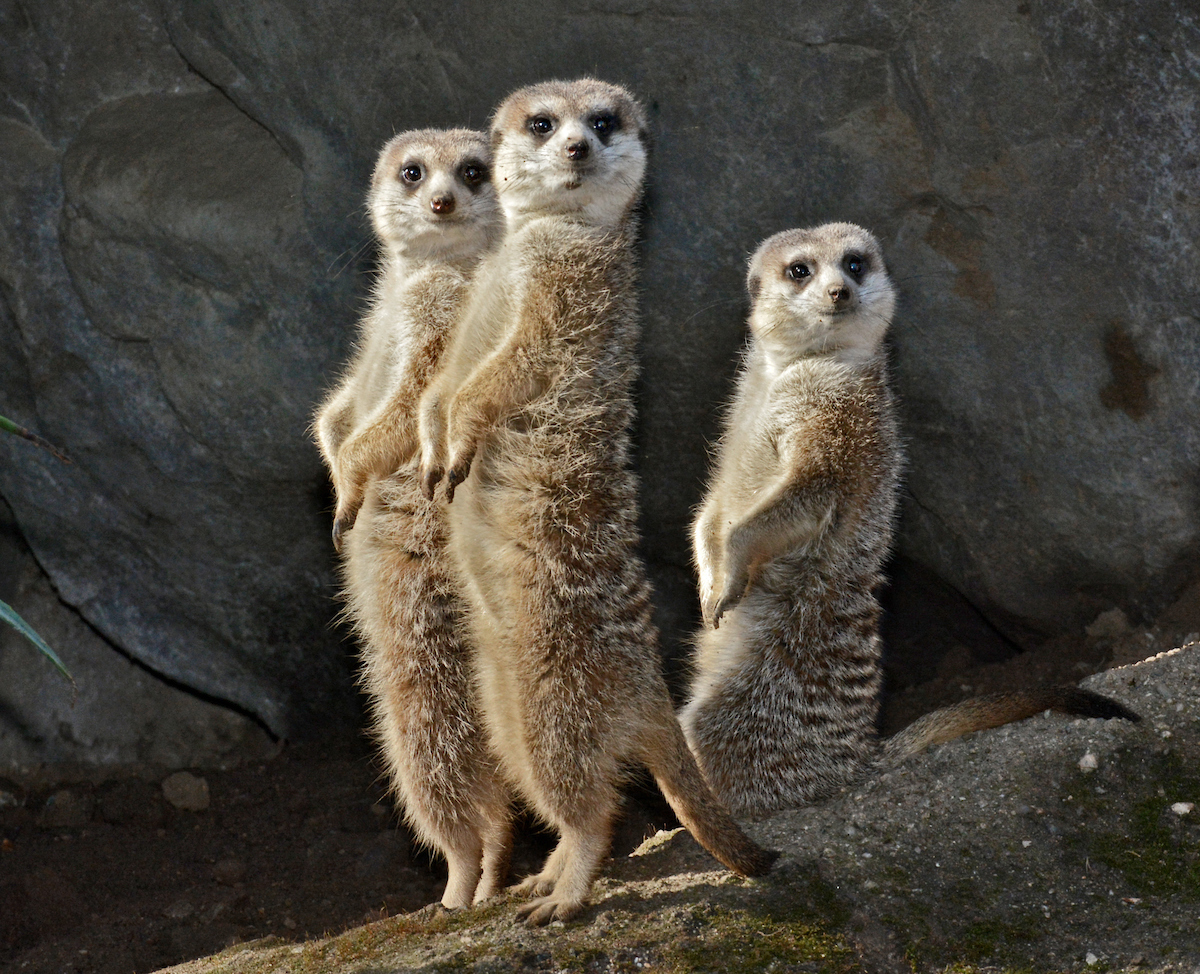
Besides vocal sounds, body language forms an integral part of their communication toolkit. Meerkats utilize posture, tail positioning, and facial expressions to convey messages. For example, a meerkat standing upright with its tail raised may signal alertness or curiosity. Conversely, a meerkat with hunched shoulders and a lowered head may indicate submission or apprehension.
Surprisingly, social hierarchies also influence communication within meerkat groups. Dominant individuals often exhibit more assertive body language, while subordinates may use more submissive postures to avoid conflict. Understanding these non-verbal cues is especially valuable for researchers aiming to study clan dynamics and individual roles within groups.
The value of studying meerkat communication transcends mere curiosity. It offers profound implications for wildlife conservation efforts and animal welfare. As human encroachment increases, understanding the social structure and communication methods of species like meerkats is crucial for effective conservation strategies. Research into their communication habits can help inform habitat preservation efforts and the creation of wildlife corridors that facilitate social interactions among fragmented populations.
For instance, if conservationists aim to relocate meerkat clans due to habitat loss, knowledge of their vocalizations and social dynamics can facilitate successful introductions to new environments. Miscommunication or social stress during relocations may threaten the survival of these animals. By appreciating their communication needs, conservation efforts can become more aligned with the natural behaviors exhibited by meerkats.
Studying meerkat communication extends to broader implications for understanding animal behavior as a whole. Observations from meerkat clans illustrate how social structures evolve and adapt, shedding light on the intricate webs of social interactions present in many species. Notably, comparative studies between meerkats and other social animals, like elephants or dolphins, reveal similar patterns of communication that influence social structure and group cohesion.
The interplay between vocalizations and body language is not exclusive to meerkats. Many other animal species communicate through similar modalities. Ground squirrels, for example, utilize distinctive alarm calls, while chimpanzees employ a mixture of vocalizations and gestures. These insights underscore the interconnected nature of animal communication across species.
In the modern context, studying animal communication, including that of meerkats, can also enhance public awareness regarding wildlife conservation issues. Zoos, such as the Los Angeles Zoo and Botanical Gardens, often engage in educational programs that highlight these topics. By fostering a deeper understanding of animal behaviors, institutions can inspire visitors to become advocates for wildlife conservation efforts.
By sharing insights about meerkat communication, zoos stimulate interest in broader ecological issues. They engage the public with educational exhibits that emphasize the importance of preserving natural habitats and maintaining biodiversity, serving as a bridge between human experiences and wildlife conservation. This knowledge not only provides entertainment but also instills a sense of responsibility for protecting the environments where these creatures thrive.
Furthermore, as technology advances, scientists can employ novel techniques to analyze animal communication more efficiently. Audio recordings, motion-sensor cameras, and artificial intelligence can now decipher patterns in animal vocalizations and movements. These tools enable researchers to quantify social interactions and provide richer data on the dynamics of meerkat communities.
The future of animal communication studies appears promising, emphasizing the synergy between technology and field research. By utilizing these methods, researchers can uncover richer layers of understanding regarding how communication impacts social structures, reproductive success, and overall species survival.
While meerkat communication offers specific insights into their social structures, it prompts a broader inquiry into how animals, in general, navigate their environments and relationships with one another. The evolving landscape of wildlife communication research invites interdisciplinary collaboration among behavioral ecologists, conservation biologists, and technological innovators, paving the way for exciting developments.
In summary, communication serves as a lifeline for meerkats, enhancing their survival and fostering community cohesion. Their varied vocalizations and body language reveal complex social interactions, offering critical insights for conservation efforts. Understanding how meerkats communicate not only enhances our appreciation of these creatures but also underscores the necessity of preserving their habitats as integral to maintaining biodiversity. By studying meerkat communication, we glean valuable lessons applicable across numerous species, ultimately enriching our connection to the natural world.
