
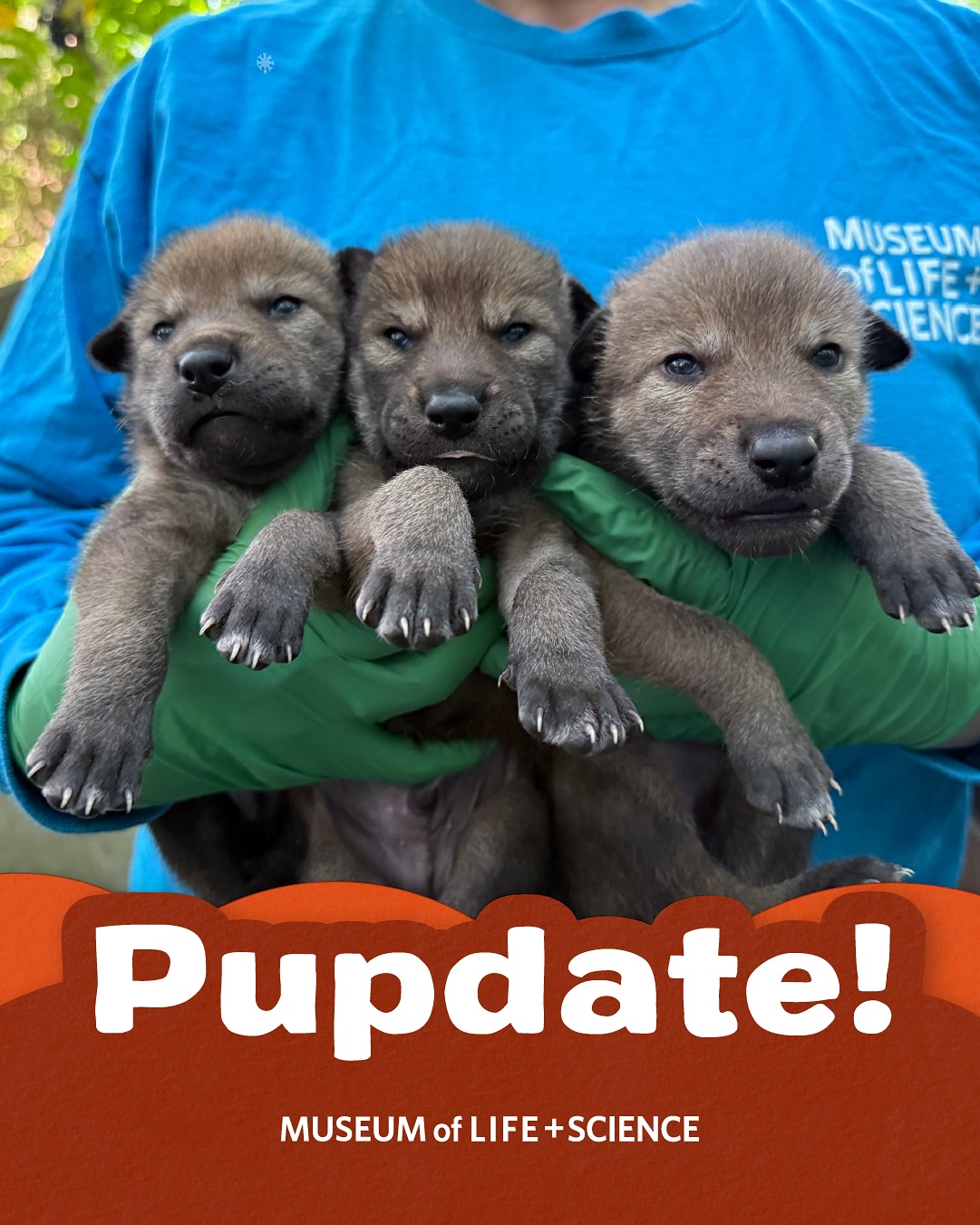
- Progress of red wolf pups and their habitat integration
- Importance of parasite prevention and wound care in wildlife
- Guidelines for observing pups in a controlled environment
- Red wolf conservation efforts and public involvement
- Contributions to conservation through visitor education and support
The birth of three red wolf pups marks a significant milestone in conservation efforts aimed at preserving this critically endangered species. These pups not only bring hope but also highlight the meticulous care involved in ensuring their wellbeing. This article explores the intricate processes of parasite prevention, healing wounds, and reopening the habitat, demonstrating the essential conservation practices in place.
As the red wolf pups grow, their journey requires careful monitoring. Parasite prevention is crucial. Parasites, if unchecked, can severely impact health and growth. Preventative measures involve regular check-ups and appropriate treatment regimens. Anti-parasitic medications are administered under strict veterinary supervision, tailored to the specific needs of the pups at various stages of development. This ensures the pups remain healthy and avoids complications that can arise from common parasites like ticks and fleas.
In addition to parasite prevention, wound care is equally essential. In the wild, pups may sustain minor injuries. Prompt and effective treatment is necessary to prevent infection. Using antiseptics and monitoring for signs of healing is crucial. The health team assesses the pups frequently, providing necessary interventions to promote swift recovery, always prioritizing non-invasive methods to minimize stress.
A critical step in conservation is the reopening of habitats to the public. On June 2, visitors are welcomed back to Explore the Wild: Red Wolves. This enhances awareness and appreciation of conservation work. Observing these animals in a naturalistic setting offers valuable insights into their behaviors and adaptations. However, it is important to follow guidelines for observing these young wolves.
Guests are encouraged to visit during specific hours to maximize the chance of seeing the pups. Early mornings and late afternoons are optimal as they coincide with increased activity levels. Maintaining a quiet environment is fundamental to minimize stress on the wolves. Conservation staff advise speaking softly and moving slowly near the habitat.
Public involvement in red wolf conservation is vital. Supporting conservation efforts through donations significantly aids ongoing research and care for these animals. Funds are directed towards enhancing habitat conditions, furthering research, and expanding educational outreach. By contributing, visitors become a part of a collective effort to safeguard this endangered species.
Education plays a pivotal role in conservation. Observing the pups firsthand offers an engaging learning experience. Visitors of all ages gain insights into the challenges faced by red wolves and the significance of preserving biodiversity. This understanding fosters a deeper connection and a sense of responsibility towards environmental stewardship.
In summary, the care and observation of red wolf pups involve comprehensive strategies in parasite prevention, wound care, and habitat management. These efforts reflect a commitment to conservation, requiring cooperation between wildlife professionals and the public. By visiting and supporting these endeavors, individuals contribute directly to preserving an iconic species and ensuring their survival for future generations.
*****
Source Description
Pupdate, anyone? First parasite prevention, healing wounds, and reopening the habitat! 🐺🧡
The second Pupdate, available on our blog, gives a glimpse into how the three pups are adjusting to their first few weeks of life. As they grow, the brothers start to wander outside the den, so we’re reopening Explore the Wild: Red Wolves to guests on Monday, June 2!
💡 Helpful tip: The best times to see the pups are early in the morning just after opening, or later in the afternoon before closing. Please remember to use quiet voices when walking by the habitat or at the overlook. We also ask for patience as the pups may not always be visible outside the dens or inside on the den cameras.
Looking for a way to make a difference? Support the Museum and our Red Wolf conservation efforts by donating today at the link in our bio.
