
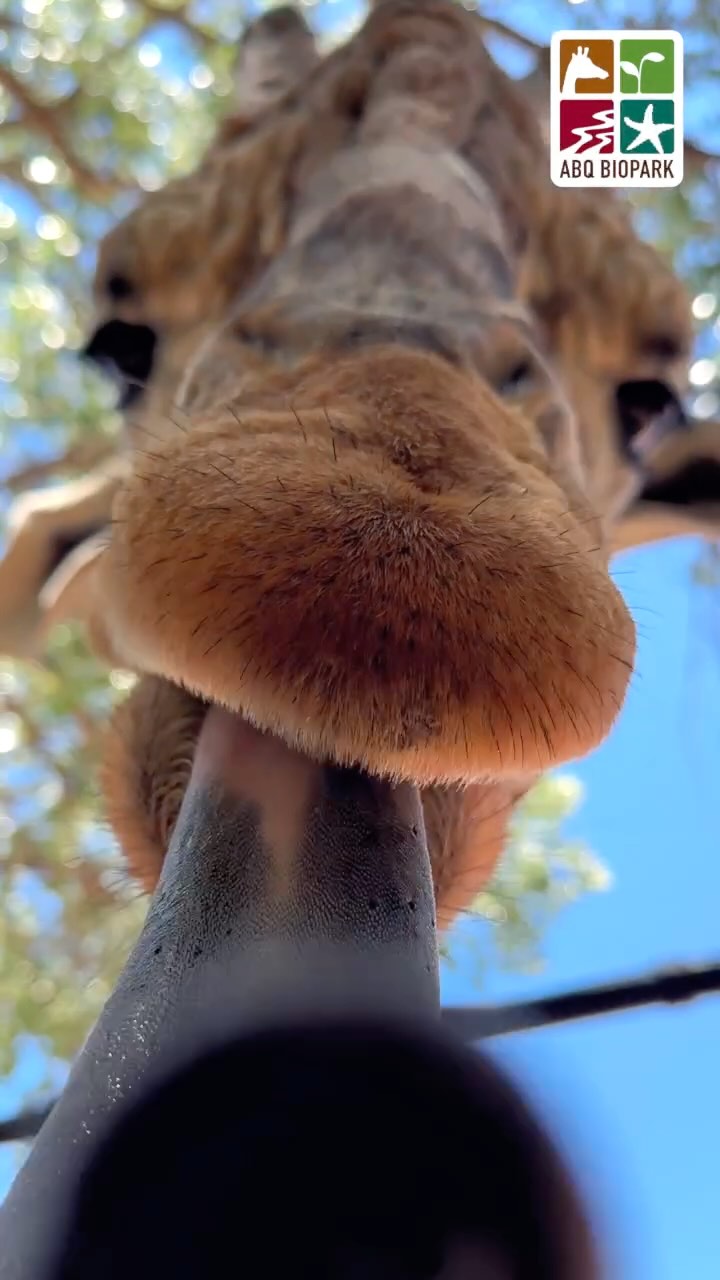
- The significance of Drafts for Giraffes in supporting conservation efforts.
- Insights into giraffe biology and habitat requirements.
- The importance of local zoological organizations and their community involvement.
- Understanding giraffe conservation challenges and current efforts.
- The role of education in promoting wildlife conservation awareness.
Drafts for Giraffes serves as a vital reminder of how community events can contribute significantly to wildlife conservation. Scheduled for June 20, this gathering is not just an occasion for music and refreshments, but a platform for raising awareness about the challenges faced by giraffes in the wild. With each tall-can alcoholic beverage sold during the event, one dollar will be directed towards giraffe conservation efforts. This financial support directly impacts local and international initiatives aimed at preserving giraffe populations and their habitats.
Giraffes (Giraffa camelopardalis) are fascinating creatures known for their impressive stature and unique adaptations. They are the tallest land animals, with adult males reaching heights of up to 18 feet. Their long necks, which can account for up to 6 feet of that height, are not merely for show; they play a crucial role in their feeding behavior. Giraffes primarily feed on the leaves of trees, particularly acacias, and their long necks enable them to access foliage that is out of reach for many other herbivores. Additionally, their specialized circulatory system helps manage blood flow to the brain, preventing fainting when bending down to drink.
The giraffe’s habitat spans across various parts of Africa, particularly in grasslands, savannas, and open woodlands. Unfortunately, this habitat is increasingly threatened by human activities such as agriculture and urban development, leading to habitat loss and fragmentation. In the wild, giraffes are social animals, often seen in loose groups. These social structures facilitate essential behaviors such as foraging and protection from predators.
Understanding the local giraffe population at facilities like the Zoo Music is crucial for public engagement. The BioPark offers Discovery Stations from 6 pm to 8 pm, where attendees can learn about the herd and their wild counterparts. Such educational outreach not only enhances public understanding but also cultivates a sense of responsibility towards conservation.
The role of zoos and wildlife parks in conservation cannot be underestimated. Many institutions are engaged in breeding programs and habitat restoration projects. These organizations serve as genetic reservoirs and play an important part in research that benefits wild populations. Collaborative efforts among zoos, conservation groups, and researchers aim to develop sustainable practices that address the declining numbers of giraffes.
The challenges faced by giraffes are numerous. Recent studies indicate that populations have decreased by nearly 40% over the past three decades, largely due to poaching and habitat destruction. These challenges underscore the urgency for continued support and intervention from the public. By participating in events like Drafts for Giraffes, attendees can contribute to actionable solutions and further awareness about these issues.
Moreover, the education component of events like Drafts for Giraffes cannot be overstated. Knowledge dissemination through workshops, animal encounters, and presentations can inspire attendees to take action. Young people, in particular, can be motivated to become advocates for wildlife conservation, fostering a new generation committed to preserving biodiversity.
Incorporating local cultural elements, music, and community participation enriches the experience of such events. They provide avenues for social interaction while emphasizing the importance of wildlife conservation. As music fills the air on June 20, attendees will not only enjoy a vibrant atmosphere but also reflect on their role in protecting these magnificent animals.
The decision to donate $1 from every draft and tall-can beverage sold to giraffe conservation is a straightforward yet impactful way to engage the community. Such initiatives highlight how seemingly small contributions can collectively lead to significant outcomes in conservation. The funds raised support ongoing efforts to combat poaching and maintain essential habitats, promoting a holistic approach to giraffe conservation.
As participants gather in the giraffe habitat, they will witness the animals’ behaviors up close, a critical aspect of fostering empathy for wildlife. Understanding their social dynamics, feeding habits, and health requirements can deepen appreciation for their existence. Mindful interaction with nature leads to stronger community ties and enhances collective efforts in wildlife preservation.
Community events like Drafts for Giraffes contribute to a larger narrative of conservation awareness. They highlight the importance of integrating ecological education into local events, making complex topics approachable for all ages. The enthusiasm generated during such gatherings is instrumental in bridging the gap between scientific knowledge and public understanding.
By connecting attendees to the giraffe population at the BioPark, the event nurtures a sense of stewardship. The giraffe’s plight is emblematic of broader environmental challenges affecting many species around the globe. As more individuals recognize their responsibilities toward conservation, grassroots movements can catalyze change.
Support for giraffe conservation goes beyond just financial contributions. Raising awareness and promoting behavioral changes are equally critical. Individuals can make environmentally-conscious choices, promote sustainable practices, and encourage others to value wildlife. Events like Drafts for Giraffes serve as platforms for educating the public about these possibilities.
The partnership between local zoos and conservation initiatives is vital. Zoos not only provide sanctuary for animals but also play integral roles in research efforts. These collaborations can result in significant advancements in how we study and understand wildlife. With adequate funding and support, conservation programs can implement effective strategies for addressing critical issues.
Moreover, the night’s festivities will include special evening snacks for the giraffe herd at 6:15 pm, creating an interactive experience for visitors. Observing the giraffes indulging in their favorite treats reinforces the connection between animal welfare and conservation. It serves as a tangible reminder of why human efforts are essential.
As we progress through the 21st century, awareness of the biodiversity crisis has become increasingly important. Events such as Drafts for Giraffes invite community members to participate actively in the solutions. Every ticket purchased, every draft raised contributes to a broader mission of wildlife preservation.
Communication plays a crucial role in effective conservation. By leveraging social media, educational institutions, and the arts, we can create multifaceted campaigns that resonate with diverse audiences. The Biopark’s outreach efforts exemplify how engaging narratives can move people to act.
Ultimately, events like Drafts for Giraffes are more than just gatherings; they symbolize a community’s commitment to environmental stewardship. They showcase how local actions can lead to global conservation impacts. On June 20, participants will not only enjoy entertainment but also forge connections that underscore the importance of protecting our planet’s wildlife.
The culmination of education, community, and conservation efforts serves as a powerful reminder of what can be achieved. The giraffes’ future depends on our collective awareness and action. Joining together as a community for a worthwhile cause enhances our connection to wildlife and each other.
As the concert unfolds, the shared joy of music will intertwine with the shared responsibility of conservation. Each moment spent learning about and supporting the giraffes helps foster a legacy of protection for future generations. The path toward conservation may be complicated, but initiatives like Drafts for Giraffes guide the way.
*****
Source Description
Have a tall one for the tall ones! This year, Drafts for Giraffes returns as part of Zoo Music on Friday, June 20. Before the music starts, head to the giraffe habitat to grab a special brew, and learn more about the BioPark herd and their wild counterparts. They’ll be there with Discovery Stations from 6 pm to 8 pm, with a special evening snack for the herd at 6:15 pm. $1 from every tall-can alcoholic beverage and every draft sold throughout the BioPark will go toward giraffe conservation. Learn more and get your concert tickets here at the link in our bio under “Upcoming Events”!
