
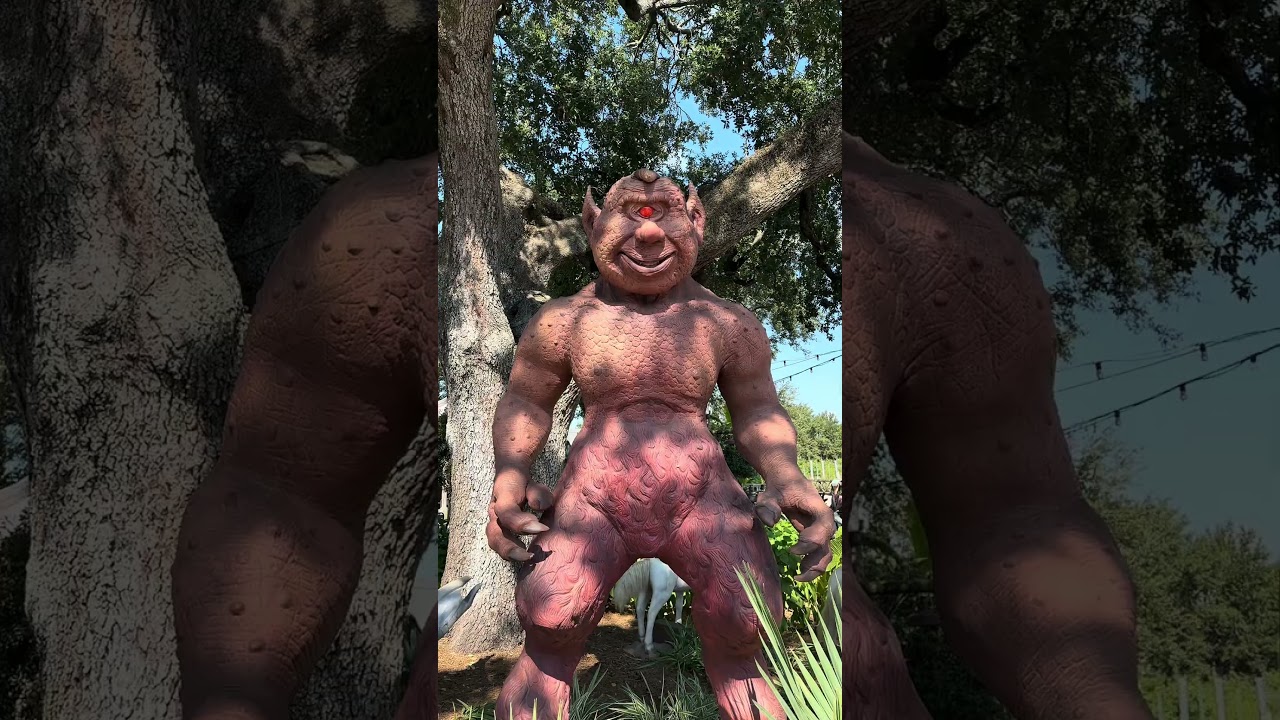
- The significance of dragons and mythical creatures in various cultures.
- The role of the Audubon Zoo in wildlife conservation and education.
- Insights into modern zoological practices and exhibits.
- The impact of creative storytelling in enhancing visitor experiences.
- The importance of preserving biodiversity and promoting environmental stewardship.
The fascination with dragons and other mythical creatures transcends borders and ages. Many cultures around the world have given these beings significant roles in folklore, mythology, and art. For instance, in Chinese culture, dragons symbolize power, strength, and nobility. They are revered figures associated with water and agricultural fertility. In contrast, European depictions often portray dragons as beasts to be slayed, emphasizing courage and heroism in human characters. These narratives serve both as entertainment and as lessons that reflect societal values and human experiences.
The Audubon Zoo has taken the initiative to mesh these captivating stories with education and conservation. This commitment is seen in their intricate displays that allow visitors to explore the intersection of myth and reality. As custodians of animal knowledge, zoos like Audubon play a pivotal role in wildlife conservation efforts and advocacy for various species. They educate the public about the importance of biodiversity and create awareness about the threats animals face in their natural habitats. By highlighting connections between mythical representations and their real-world counterparts, Audubon Zoo fosters a deeper understanding of ecological systems and interspecies relationships.
Modern zoological practices are central to the evolution of animal presentations in zoos today. Traditional exhibits have shifted to immersive experiences that prioritize the welfare of the animals and provide insightful context for visitors. Programs incorporate naturalistic habitats that simulate wild environments, allowing species to exhibit natural behaviors. Audubon Zoo’s design focuses on promoting animal health and wellbeing while simultaneously enriching the educational experience for guests. This innovative approach also emphasizes the role of storytelling in crafting engaging exhibits. Instead of viewing animals through the lens of traditional displays, visitors see the narratives that shape their existence in nature, linking back to representations of mythical creatures.
The use of creative storytelling enhances the value of educational programs offered at the Audubon Zoo. By integrating narratives, the zoo makes information relatable and engaging. Children and adults alike can appreciate not only the animal’s biology but also the cultural stories tied to them. This engagement enriches visitor experiences and emphasizes the importance of understanding animals as complex beings with roles in both nature and culture. Storytelling creates memorable interactions that invite visitors to reflect on environmental stewardship, making conservation a shared responsibility.
Biodiversity preservation hinges not just on protecting endangered species but also on raising awareness about the interconnectedness of all life forms. The Audubon Zoo takes a proactive approach to conservation by participating in species recovery programs and habitat restoration projects. Their public education initiatives encourage communities to actively participate in conservation efforts. Engaging the public in discussions about climate change, habitat destruction, and invasive species is key. People learn that protecting wildlife benefits entire ecosystems and that their individual actions can have significant implications.
Moreover, Audubon Zoo’s commitment to scientific research lays the groundwork for informed conservation strategies. Collaborating with universities and research institutions allows for the study of animal behavior, genetics, and habitat needs. These insights contribute to effective species management and the preservation of endangered populations. The relationship between humans and wildlife is complex; understanding this intricacy is crucial for developing sustainable practices that consider both human and animal needs.
As experiences at the zoo evolve to include elements related to dragons and other mythical creatures, they become gateways to discuss serious topics like myth versus reality, conservation, and ecological balance. By offering enriching and thought-provoking experiences, the Audubon Zoo invites visitors to reflect on the importance of preserving not only what exists today but also the cultural narratives that shape our understanding of the natural world. Encouragement to participate in local conservation efforts, combined with enriched experiences, aims to cultivate a community of environmentally-conscious citizens.
The integration of mythical creatures also presents a unique opportunity to discuss biological concepts. In the past, many animals were mythologized, born from misunderstandings of their behaviors or appearances. For example, large reptiles’ bones could easily lead observers to imagine dragons. Understanding these creatures in historical contexts allows guests to see the importance of scientific inquiry and the evolution of knowledge. It emphasizes the role of zoology in demystifying nature, embracing respect and understanding for all life forms.
The challenges of habitat conservation highlight the delicate balance in ecosystems. Education programs at Audubon Zoo emphasize the adaptive strategies that animals have developed over millions of years. Awareness of these adaptations not only informs the public about specific species but also encourages broader discussions about ecological challenges like climate change and habitat destruction. This understanding underscores the interconnectedness of species and landscapes. Visitors grasp that preserving natural habitats is essential for both mythical and real animals, as stories about dragons often remind us of the consequences of environmental degradation.
In promoting environmental stewardship, Audubon Zoo fosters a sense of community responsibility. Through hands-on activities, workshops, and volunteer programs, individuals are encouraged to contribute to local and global conservation efforts. Such initiatives create pathways for meaningful connections between visitors and nature. By emphasizing that biodiversity loss affects humanity directly, this holistic approach promotes a far-reaching ethos of environmental responsibility.
In summary, the Audubon Zoo’s exploration of dragons and mythical creatures serves as a centerpiece for education, conservation, and cultural appreciation. By integrating narrative and environmental science, the zoo creates a dynamic atmosphere where visitors can explore extraordinary stories and their underlying ecological truths. This multifaceted approach not only captivates audiences but also galvanizes a commitment to protect the natural world.
The inspiration drawn from mythical creatures, alongside a strong grounding in zoological practices, showcases the inherent value of blending culture and education with conservation. By promoting a robust understanding of wildlife and invigorating community participation, Audubon Zoo reflects an innovative model for the future of zoos and their role in fostering environmental consciousness. The adventures undertaken and lessons learned within its grounds beckon everyone to contribute towards a sustainable future for all species, real or imagined.
*****
Source Description
Discover more than 60 life-like creatures in this all-new limited-time adventure. 🐲 🦄 🧌#dragon #mythology #mythicalcreatures #audubonzoo #neworleans
