
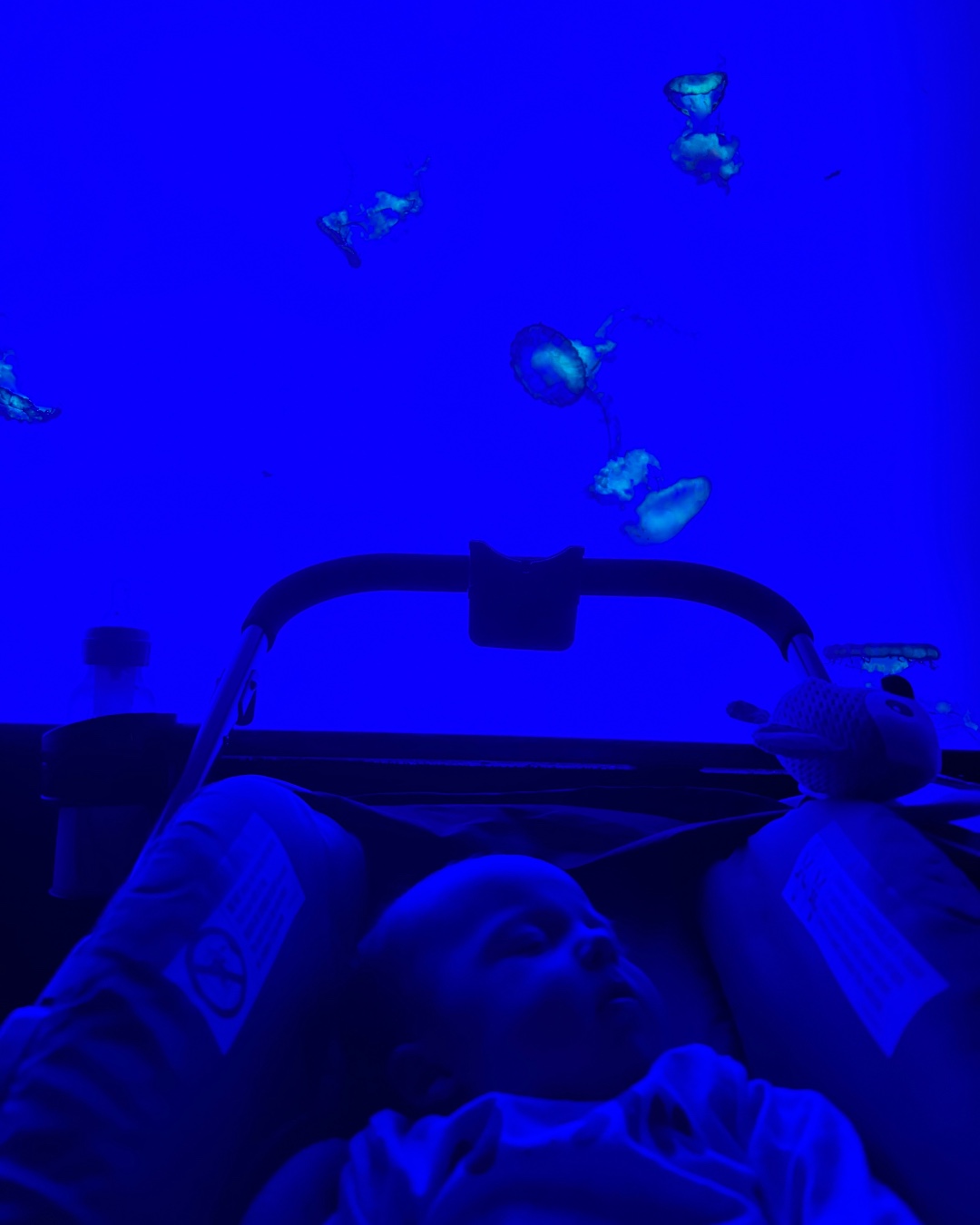
- The ethereal movement of jellyfish as a metaphor for peaceful napping.
- The biology and behavior of jellyfish explained in understandable terms.
- The role of zoos in promoting conservation and education about marine life.
- Techniques to improve nap time inspired by the fluid movements of jellyfish.
- Sharing adorable "SHELL-fies" to engage and inspire animal lovers.
Drifting into nap time like a jellyfish gliding through water epitomizes tranquility and grace. The serene dance of jellyfish provides a perfect metaphor for achieving restorative naps. The weightless suspension of jellyfish inspires relaxation and encourages peaceful slumber. By understanding the jellyfish’s biological rhythms, we can draw parallels to crafting an ideal nap time routine.
Jellyfish, an ancient marine creature, are fascinating models of simplicity and elegance. They are part of the phylum Cnidaria and have been dwelling in Earth’s oceans for millions of years. Lacking a heart, brain, and bones, jellyfish rely on a basic nerve net to interact with the environment. This simplicity is their strength, allowing these creatures to move with fluidity in their aquatic habitats. Their rhythmic pulsations, propelling them through the water, are powered by muscles that contract and relax in harmony. Watching jellyfish, one can’t help but feel a sense of calm and peace, attributes we aim to replicate during nap times.
Jellyfish primarily navigate through the ocean currents, demonstrating an enviable balance between activity and rest. Their undisturbed drift exemplifies a state of existence unburdened by stress. Emulating this approach can transform nap routines into a rejuvenating exercise. Seeking environments conducive to relaxation, free of distractions, mirrors the serene conditions jellyfish thrive in. This endeavor might include dim lighting, soothing sounds, or comfortable settings akin to the unobtrusive waters they inhabit.
Zoos and aquariums serve pivotal roles in conservation and education, sharing the wonders of marine life like jellyfish with the public. These institutions provide platforms for understanding the delicate ecosystems that sustain creatures such as jellyfish. By displaying these animals, zoos encourage conservation efforts that are crucial for maintaining biodiversity in our oceans. Interaction with displays and exhibits fosters awareness, engaging visitors with conservation messages that underscore the importance of marine stewardship.
Incorporating jellyfish-like serenity into nap routines requires practical considerations. Just as jellyfish sync with their environment, aligning nap schedules with one’s natural rhythms enhances rest quality. Power naps, ideally lasting 20 to 30 minutes, can recharge and sharpen focus without the grogginess. Practicing controlled breathing techniques, mimicking the jellyfish’s gentle pulsations, can enhance relaxation, calming the mind and body before drifting off to sleep.
Engagement in wildlife conservation can be reinforced by sharing and promoting captivating "SHELL-fies." Encouraging people to share images with marine life backgrounds increases awareness and appreciation for these wondrous creatures. Social media platforms are invaluable tools for spreading conservation messages in a visually engaging format, connecting communities with shared interests in preserving our planet’s natural beauty.
The metaphor of drifting into nap time like jellyfish provides a captivating narrative that intertwines biology, conservation, and personal well-being. Jellyfish exemplify peaceful coexistence with their environment, offering a lesson in embracing simplicity and relaxation. Understanding their behavior and adapting it to human contexts can cultivate a more serene and balanced lifestyle.
*****
Source Description
Drifting into nap time like the jellies drift in the water. 💤
Tag us in your most adorable SHELL-fies for a chance to be featured!
📸: @ffemmcg
