
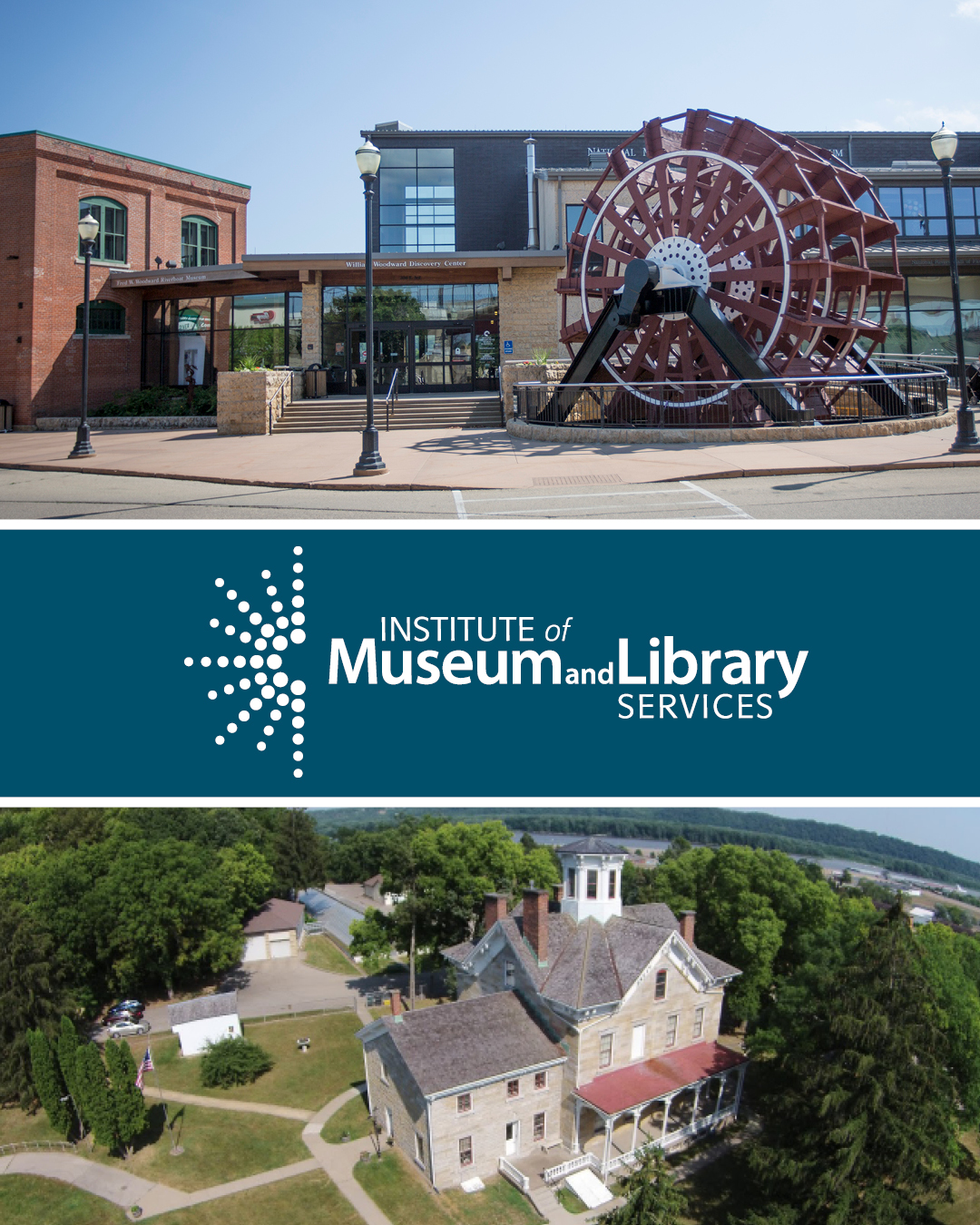
- The significant role of the Dubuque County Historical Society (DCHS) in preserving history.
- An overview of the funding received from the Institute of Museum & Library Services (IMLS) and its contributions.
- The potential impact of proposed budget cuts to the IMLS on cultural institutions.
- The economic contributions of the National Mississippi River Museum & Aquarium.
- Advocacy efforts and community engagement to support museums and libraries.
The Dubuque County Historical Society (DCHS) plays a crucial role in preserving history and educating the public. Established with the mission of maintaining and showcasing the rich historical narrative of Dubuque County, the DCHS operates two significant sites: the National Mississippi River Museum & Aquarium and the Mathias Ham Historic Site. These venues serve not only as repositories of artifacts and exhibits but also as vital educational platforms for visitors of all ages.
Over the past 26 years, the DCHS has received substantial financial backing from the Institute of Museum & Library Services (IMLS), totaling $2.2 million. This funding has been essential for several initiatives that enhance visitor experiences and expand the organization’s outreach. One notable project funded by the IMLS is the River of Innovation Belt Driven Machine Shop, which illustrates historical manufacturing techniques used around the Mississippi River. This interactive exhibit allows visitors to engage with history through hands-on experiences.
In addition to capital improvement projects, IMLS grants have enabled vital collections inventory and intellectual control endeavors. These projects are aimed at cataloging specimens and artifacts, allowing for better public access and education. Recently, the DCHS embarked on developing a Master Interpretive Plan, which outlines future exhibitions, programs, and educational strategies. This plan is designed to elevate the visitor experience by incorporating advanced interpretive techniques that will make history more engaging.
However, the sustainability of these initiatives faces a critical threat. A recent White House Executive Order proposes significant budget cuts to the IMLS, which could dismantle the organization entirely within a week of the legislature’s acceptance. The IMLS serves as a vital conduit of support for libraries, museums, cultural centers, and similar organizations across all states and territories. The potential repercussions of these cuts could jeopardize the funding that museums like the DCHS so heavily rely on.
The National Mississippi River Museum & Aquarium, which welcomes over 200,000 visitors each year, represents a cornerstone of the local economy. It generates approximately $16 million in annual economic activity and directly supports around 176 households through employment. This economic contribution showcases the museum’s value beyond being just an educational institution; it plays a pivotal role in fostering community growth and enhancing local quality of life.
The impending cuts to the IMLS funding could lead to reduced operational capabilities for many cultural organizations. Without this financial support, initiatives that promote public engagement, historical education, and community voice will be adversely impacted. Museums and libraries are not only venues for preservation; they are also spaces for dialogue, innovation, and community involvement. The loss of IMLS funding risks diminishing the ability of institutions like the DCHS to fulfill these essential roles.
The broader implications of funding cuts hold significant consequences for institutions dedicated to historical preservation. For many, the loss of resources signifies a sharp decline in the quality of educational programming, deterioration of the physical collections, and diminished community engagement. Museums like the DCHS, which aim to amplify diverse voices and stories, would find themselves limited in their capacity to do so.
In response to this crisis, advocacy efforts are emerging, urging community members to contact their state representatives and voice support for the IMLS. Public action can amplify the importance of cultural institutions in American society, making clear that these organizations contribute far beyond their immediate functions. They serve as communal hubs that drive economic stability and foster collective memory and identity.
The preservation of historical narratives and the promotion of environmental stewardship are intrinsically linked. The DCHS, through its various exhibitions and educational programs, aims to connect people with their rich history, which includes the ecological diversity of the Mississippi River. The National Mississippi River Museum & Aquarium hosts a variety of exhibits focusing on regional wildlife, ecosystems, and conservation efforts, thereby raising awareness about the importance of protecting these resources.
Waterways like the Mississippi are not merely transportation avenues; they are ecosystems that support rich biodiversity. Several species that inhabit these waters face the threat of habitat degradation and pollution. Understanding and exploring these relationships through proactive museum exhibits can cultivate a sense of responsibility among visitors. This aligns with broader goals of wildlife conservation that seek to engage community members in ecological advocacy.
Zoo management and wildlife conservation are critical components in fostering a healthy relationship with our environment. Through educational programming, the DCHS emphasizes the interconnectedness of history, ecology, and conservation. By informing visitors about local flora and fauna, and the historical practices that have both harmed and helped the environment, the museum plays a role in shaping community attitudes towards preservation.
Successfully navigating the challenges of funding cuts requires a strong community response. Public engagement in advocacy is essential as cultural institutions work to protect their funding sources. The importance of contacting state representatives extends into fostering a sense of ownership within the community regarding local cultural institutions. When people recognize the value of preserving history and promoting ecological awareness, they become advocates for its future.
Funding from the IMLS has facilitated remarkable initiatives at the DCHS that benefit both local residents and visitors from afar. The museum’s exhibitions invite exploration and engagement with history, revealing the significant narratives that have shaped local identity. As new challenges surface with potential funding cuts, the need for robust advocacy is paramount to maintain the longevity of these cultural resources.
The IMLS administers competitive grants that enable museums to innovate and develop new programming. These funds support interdisciplinary initiatives that connect various fields, promoting deeper understanding among audiences. The DCHS, through these resources, has continuously expanded its education and public engagement efforts, resulting in a well-rounded approach to historical and ecological education.
Diverse funding opportunities and support networks play essential roles in the sustainability of cultural institutions. The DCHS’s experience illustrates the success made possible with consistent funding sources. Future initiatives hinge on maintaining public interest and support, which can only be achieved through sustained community advocacy efforts that emphasize the importance of these institutions.
Protecting cultural heritage and promoting ecological stewardship requires ongoing commitment and advocacy. The potential cuts to IMLS funding could have far-reaching implications, not just for the DCHS, but for countless institutions across the nation. Each cultural venue serves a unique purpose in educating the public and inspiring future generations to engage with their environment responsibly.
As we face this pivotal moment, community members must rally together to support their local museums and libraries. Recognizing the vital contributions of the DCHS and similar institutions is essential to preserving the rich tapestry of shared history. Collective action can ensure that future generations benefit from educational and cultural resources that inspire curiosity and promote environmental stewardship.
*****
Source Description
Over the last 26 years, the Dubuque County Historical Society (DCHS), which operates the National Mississippi River Museum & Aquarium and Mathias Ham Historic Site, has received $2.2 million in funding support from the Institute of Museum & Library Services (IMLS). This crucial funding has helped support the River of Innovation Belt Driven Machine Shop, several collections inventory and intellectual control projects, and most recently, our Master Interpretive Plan.
A recent White House Executive Order is directing further cuts to the IMLS. The IMLS efficiently provides critical resources to libraries and museums in all 50 states and territories. After midnight on March 20, this Executive Order will go to the legislature and if accepted, would essentially wipe IMLS within seven days.
The River Museum welcomes more than 200,000 visitors annually, accounts for $16 million in activity for our local economy, and directly supports 176 households through employment. Without IMLS funding, our growth as a museum, our role as a public steward of historic and living collections, and our leadership in contributing to Iowa’s economy face significant risk. While we are uncertain what the impact of these cuts will be, we can be certain this will have a significant impact on not only DCHS but all museums, arboretums, cultural centers, and those organizations preserving history and amplifying community voices.
Click here to learn more, including how to contact your state representatives, https://www.rivermuseum.org/news/call-advocacy-imls-and-museums
