
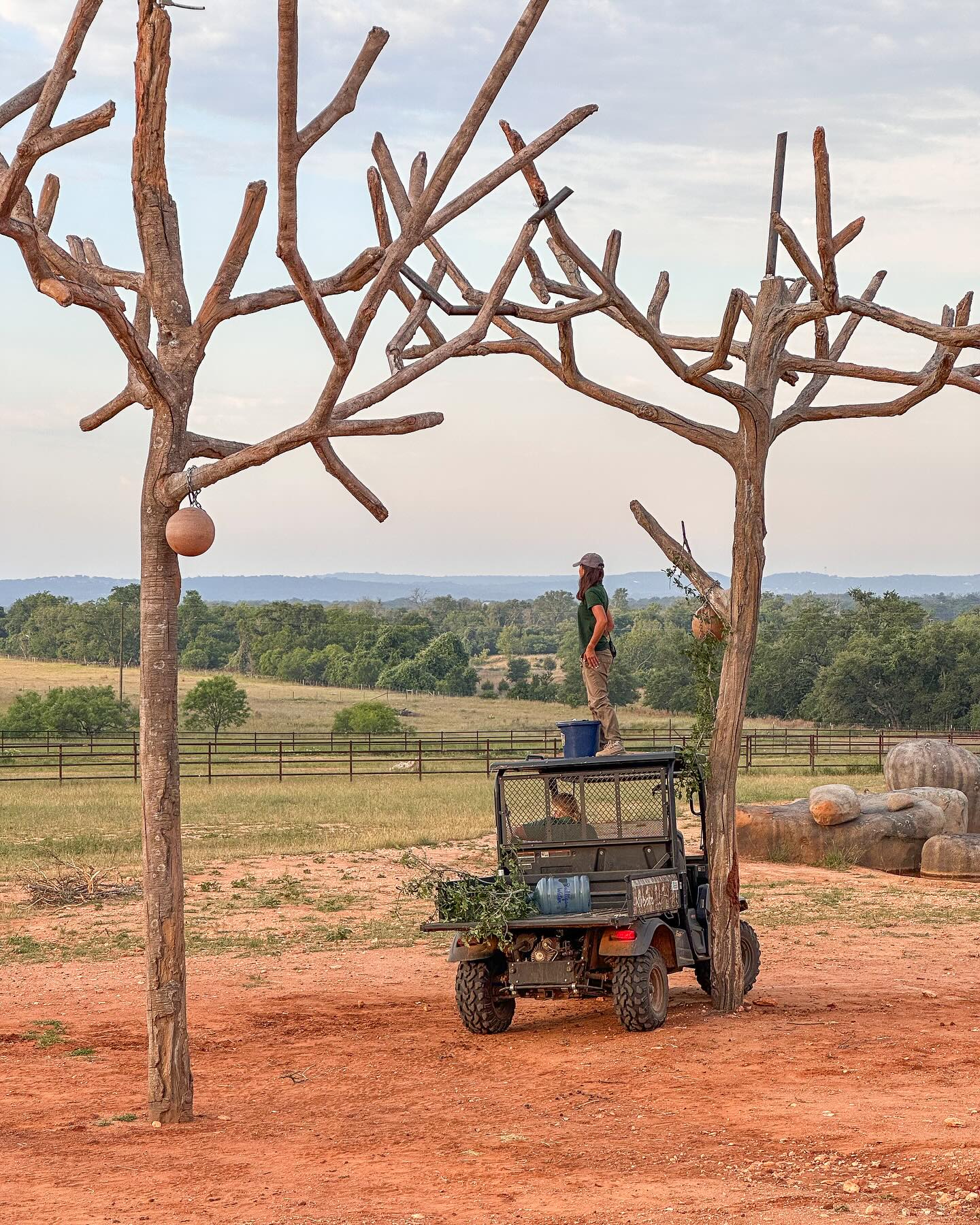
- The role of the animal care team in preparing the pasture for giraffes
- The importance of giraffes as conservation ambassadors
- The daily routines and habits of giraffes in captivity
- Strategies for effective wildlife conservation and education
- The impact of public interaction on conservation efforts
The animal care team plays a crucial role in ensuring the welfare of the giraffes under their supervision. Each day, they arrive before dawn to prepare the environment, creating a healthy and safe habitat for these magnificent animals. This early start involves checking the condition of the pastures and ensuring all feeding and enrichment materials are ready. The task demands commitment and a deep understanding of the animal’s needs, making it a vital part of zoo operations. The team’s efforts contribute significantly to the physical and psychological well-being of the giraffes, demonstrating a model of exemplary animal stewardship.
Giraffes serve as important conservation ambassadors, helping to raise awareness about wildlife conservation efforts. As majestic and gentle giants, they captivate the imagination and hearts of visitors, creating a unique opportunity for educational engagement. By learning about giraffes, visitors gain insight into the challenges faced by wildlife globally, sparking conversations about habitat loss and the necessity of conservation programs. Giraffes, in essence, personify the urgent need to protect the world’s biodiversity and foster a connection that bridges human and animal understanding.
Daily routines and habits of giraffes in captivity are carefully structured to mimic their natural behaviors. Giraffes in the wild spend considerable time grazing, and this behavior is emulated in the zoo environment. Enrichment activities are tailored to stimulate mental engagement, such as puzzle feeders that encourage natural foraging skills. Observing giraffes as they leisurely move through their day affords an incredible opportunity to study their social structures. This daily routine keeps the giraffes healthy and intellectually stimulated, which is crucial for their overall well-being.
Wildlife conservation and education tactics are key to giraffe conservation. Zoos play a pivotal role by participating in breeding programs that support genetic diversity. Educational programs help repopulate the numbers of these animals in the wild. Conservation strategies extend beyond the zoo setting, where collaborations with global initiatives foster protection efforts in native habitats. This approach underscores the vital role of education in fuelling proactive conservation actions, encouraging a sustainable coexistence with wildlife.
Public interaction with giraffes has a profound impact on conservation achievements. Visitor experiences are tailored to educate them about giraffe conservation while cultivating empathy and respect for these animals. Interactive sessions, such as feeding programs, are designed to deepen the bonds between humans and giraffes, turning the fascination into actionable support for conservation efforts. Such interactions empower visitors to become advocates for the natural world, inspiring future generations to prioritize and actively participate in conserving our planet’s wildlife.
These magical mornings serve not just as a daily task for the care team but as a daily reminder of the responsibilities and wonders associated with wildlife conservation. Every step taken in preparing and caring for the giraffes is a testament to the ongoing commitment to safeguarding biodiversity and promoting an ethical relationship with nature.
*****
Source Description
Magical Mornings ☀️
The animal care team gets here bright and early EVERY day to prepare the pasture for our tower of giraffes. As the sun rises over the horizon, it’s beautiful to see our four-legged conservation ambassadors spill out into the open field from the barn.
@visitfredtx
