
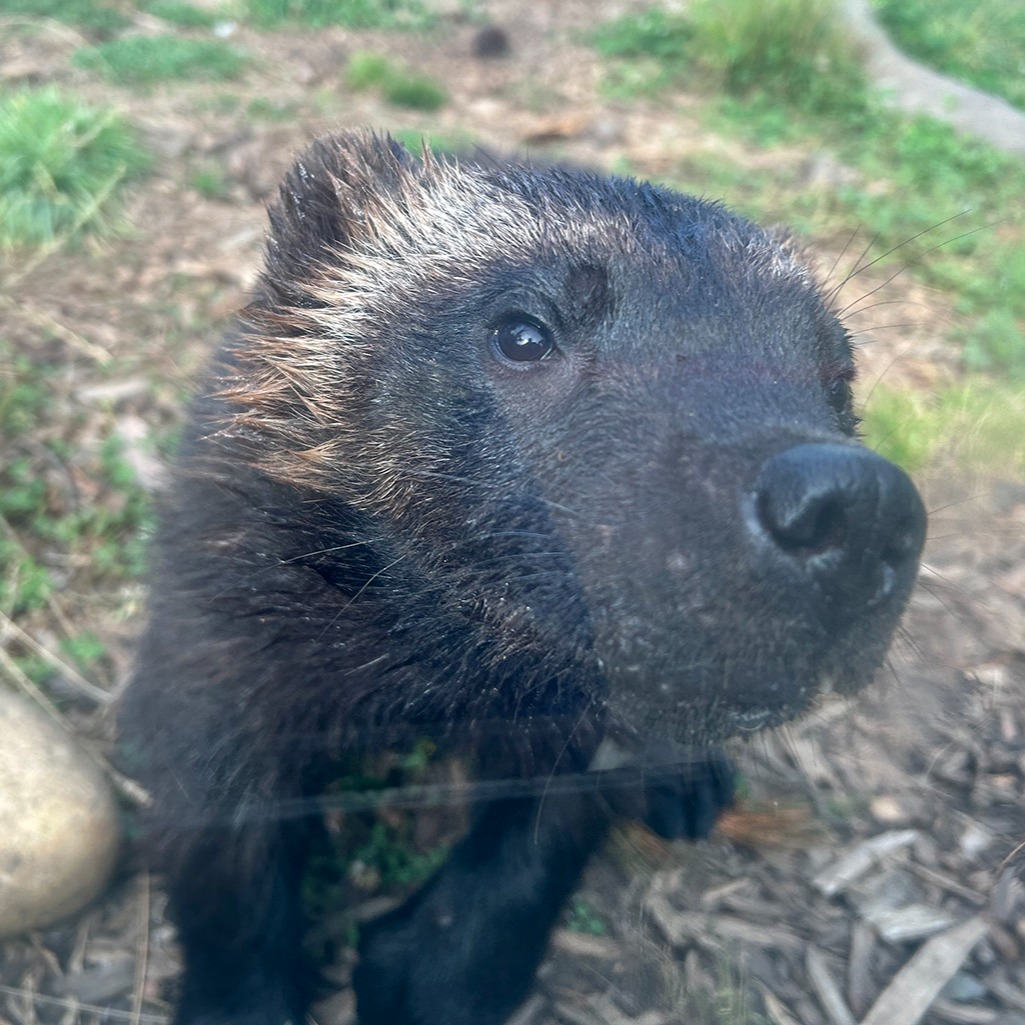
- Edward, the two-year-old male wolverine and his journey with cataract surgery
- The collaboration of veterinary and human specialists in Edward’s surgery
- The custom-made artificial lens and its significance
- Post-operative care and recovery for Edward
- The role of zoo staff in animal health management
Edward, the two-year-old male wolverine, has recently undergone a significant medical procedure. He received a cataract surgery, making headlines by becoming the first wolverine to have a custom-made artificial lens implanted in his left eye. This remarkable milestone highlights the advancements in veterinary medicine, particularly in wildlife care.
The surgery was not an isolated effort. It required extensive collaboration from both veterinary and human ophthalmologists, as well as optometrists, combining specialized knowledge to achieve an optimal outcome for Edward. The team at Veterinary Vision included Drs. Katie Freeman and Maggie LiPuma, who took detailed measurements using high-resolution ultrasound and corneal assessments. Their role was crucial in providing precise data about Edward’s eye structure, facilitating informed decisions about the lens to be implanted.
The collaboration extended further. Dr. Don Mutti from The Ohio State University and Dr. Chris Murphy from UC Davis analyzed these intricate measurements to derive essential parameters such as corneal curvature, natural lens size, and eye length. This complex analysis was fundamental in determining the ideal placement of the lens post-surgery. The specific measurements and details were necessary for creating a lens that perfectly matched Edward’s anatomical specifications.
The custom lens itself was manufactured by an-vision, a company in Germany specializing in these medical devices. This lens was then shipped to San Francisco for Edward’s procedure, which took place two weeks ago. This level of planning and internationally sourced medical technology exemplifies how far veterinary science has progressed and how it intersects with human healthcare technology.
Dr. Mutti, while focusing on his role in Edward’s care, lightened the atmosphere with humor. He expressed his enthusiasm for assisting a wolverine, even poking fun at the rivalry between his Ohio State Buckeyes and the Michigan Wolverines. This interaction further demonstrates the collaborative spirit among professionals dedicated to animal welfare.
Following surgery, Edward’s vision has shown marked improvement. This was not just a hopeful guess; the evidence lies in observable changes in his behavior and responsiveness to stimuli. The zoo’s Carnivore and Behavior teams have played a pivotal part in his recovery, training Edward to voluntarily accept eye drops 2-3 times daily. This training has not only contributed to his recovery but also reflects the commitment of the zoo staff to animal welfare.
The importance of post-operative care cannot be overstated. Eye drops serve a critical function in reducing inflammation and maintaining the health of the new lens and surrounding tissue. Edward’s adaptability in accepting this care is a testament to the successful training provided by his handlers. Such an approach aids in minimizing stress during treatment and promotes quicker recovery.
The intersection of veterinary care and wildlife conservation resonates deeply in Edward’s case. As wolverines are often elusive and face various environmental pressures, enhancing their health is vital for ensuring the survival of the species. Advances in medical technology, such as the custom-made lens used in Edward’s surgery, could pave the way for similar applications in wildlife medicine, especially in treating conditions that affect sight.
Edward’s successful surgery serves as a reminder of the ongoing challenges faced by both wild wolverine populations and those in zoological settings. As the habitat of wolverines continues to shrink due to climate change and industrial activities, maintaining their health through innovative veterinary procedures can contribute significantly to conservation efforts. Every effort to improve the health and lifespan of these animals holds value for ecosystem diversity and stability.
Zoo management plays a critical role in animal welfare. The active involvement of various specialists in Edward’s care is indicative of a collaborative model that can be replicated across other facilities. Meeting the health needs of diverse species requires interdisciplinary approaches; combining expertise from various fields of medicine enriches the quality of care that animals receive.
The commitment doesn’t end with surgery. Ongoing observations of Edward’s behaviors, dietary habits, and interactions with his environment are crucial for assessing his overall well-being. These elements inform the care team about any changes that might indicate complications or improvements in his condition. Keeping a close watch ensures that Edward not only recovers well but thrives in his environment.
Moreover, the collective efforts in Edward’s care highlight the importance of dedicated personnel. The veterinary staff, animal care teams, and specialists worked harmoniously, illustrating the essence of teamwork in the zoo environment. This model serves as an inspiration for future endeavors. As wildlife medicine evolves, leveraging a variety of skill sets could be fundamental in treating other species facing similar health challenges.
Edward’s story is emblematic of progress in wildlife healthcare and the broader implications for conservation. The innovation seen during his cataract surgery provides insights into how we might apply such methodologies for other species requiring specialized care. Successful outcomes in cases like Edward’s spurs further research and collaboration, encouraging a culture of care that transcends traditional boundaries between human and animal health.
The enthusiasm surrounding Edward’s surgery reinforces the bond between humans and animals in conservation. It reflects a collective responsibility to not only support individual animals but also to play an active role in protecting biodiversity. Efforts that provide health solutions for wildlife can contribute significantly to long-term ecological balance.
As we look toward the future, Edward’s case serves as a model for the integration of advanced medical techniques into wildlife management. The merging of human medical technologies with the needs of wildlife portrays a clear direction for ongoing advancements. Maintaining this momentum will be crucial as more species face health challenges due to environmental pressures.
Innovations in veterinary care can enhance animal welfare while also informing conservation strategies. Edward’s surgery, marked by teamwork and dedication, serves as a shining example of what is possible when communities invest in the health of wildlife. As the conversation continues, it’s essential to keep pushing the boundaries of what can be achieved in veterinary medicine.
The dialogue generated around Edward’s surgery encourages ongoing engagement with the public. Raising awareness of the health and conservation needs of species like wolverines can galvanize support for initiatives aimed at protecting their habitats. Education plays a key role in fostering appreciation for wildlife and the complexity of their care.
Edward is not just another patient; he symbolizes hope for wildlife conservation efforts. His story is a reminder of the importance of proactive healthcare in preserving species for future generations. Collaborative advancements in veterinary medicine stand to benefit countless animals, ensuring they receive the best possible outcomes.
Through Edward’s journey, we witness the power of multidisciplinary approaches in addressing health crises in wildlife. By forging links between veterinary practices and conservation strategies, we can ensure that our natural world thrives now and in the years to come. Edward, our rambunctious wolverine, continues to inspire and educate, embodying the spirit of resilience in wildlife.
*****
Source Description
Edward, our rambunctious two-year-old male wolverine, recently underwent a corrective procedure on his left eye, and he’s doing great! In conjunction with a recent cataract surgery, he became the first wolverine in the world to have a custom-made artificial lens implanted in his left eye.
The procedure involved the expertise of both veterinary and human ophthalmologists and optometrists from Veterinary Vision, @ucdavisvetmed and @ohiostateoptometry They collaborated to determine the precise measurements needed for a custom-made lens. Drs. Katie Freeman and Maggie LiPuma from Veterinary Vision performed high-resolution ultrasound and corneal measurements. These measurements were used by human vision specialists Dr. Don Mutti from The Ohio State University and Dr. Chris Murphy from UC Davis to analyze and calculate the corneal curvature, natural lens size, eye length, and the lens placement after surgery. The custom lens was manufactured by an-vision in Germany and shipped to San Francisco for Edward’s surgery, which was performed by Dr. Freeman two weeks ago.
As an aside, Dr. Mutti was eager to share his expertise, even though he is a loyal Ohio State Buckeye. He joked that a Buckeye was about to help a (Michigan) Wolverine, referencing the heated rivalry between those two universities.
Edward’s vision has significantly improved, and he now receives eye drops 2-3 times daily. Thanks to outstanding training by the Zoo’s Carnivore and Behavior teams, he volunteers to receive the drops. A huge thank you to the zoo’s animal care staff, the veterinary team, and experts across California and the country for their combined efforts in helping treat Edward.
