
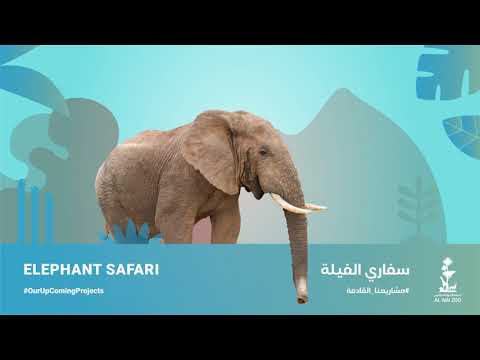
- The significance of elephant safaris in wildlife conservation
- Ecological and ethical considerations surrounding elephant safari experiences
- Understanding elephant behavior and habitat needs
- The role of education in promoting sustainable tourism and conservation
- Examples of successful elephant safari programs and their impact on local communities
Elephant safaris provide a platform for experiencing the majestic presence of elephants in their natural habitat while contributing to conservation efforts. These experiences are pivotal not only for tourism revenue but also for raising awareness about the challenges elephants face. Long-term sustainability of elephant populations relies on responsible tourism practices that emphasize the importance of their conservation.
Elephant safaris are rooted in the significance of wildlife conservation. As elephant populations decline due to habitat loss, poaching, and human-elephant conflict, these safaris serve multiple purposes. They generate funds that can be allocated to conservation initiatives, such as anti-poaching patrols and habitat restoration projects. Responsible tourism can create a financial incentive for local communities to protect elephants, transforming wildlife conservation from a conservation burden into an economic opportunity.
Ethical considerations are vital when discussing elephant safari experiences. There is a clear distinction between responsible elephant tourism and practices that exploit these animals. Observing elephants in their natural environment poses minimal risk to their welfare, as opposed to elephant rides or forced performances that often induce stress and discomfort. Safari operations should prioritize the well-being of the elephants, promoting activities that respect their natural behaviors.
The behavior of elephants is complex and fascinating. Understanding their social structures and communication patterns can enhance the safari experience. Elephants are highly intelligent, displaying emotions such as joy, grief, and empathy. They form matriarchal groups, with older females leading and guiding younger members. This societal structure is crucial for the survival of calves, as they learn essential survival skills from their mothers and the broader herd. Safari-goers can witness these dynamic interactions in their natural setting, fostering a deeper appreciation for both elephants and the ecosystems they inhabit.
Habitat needs are critical to elephant conservation. Elephants require vast territories to meet their dietary and social needs. In the wild, they spend a significant portion of their day foraging for food, which mainly consists of grasses, leaves, fruit, and bark. The restoration of degraded habitats, ensuring connectivity between elephant ranges, and protecting migratory routes are necessary to support their survival. Safaris that highlight these habitat requirements play a crucial role in educating the public about the importance of conservation.
Education is a significant aspect of the elephant safari experience. Safaris often include educational components that inform visitors about elephant behavior, social structures, and conservation challenges. This knowledge promotes a sense of stewardship for wildlife and encourages responsible consumer behavior. Educational programs tied to safaris can also extend to local communities, ensuring that the benefits of tourism are shared and that local populations are engaged in conservation efforts.
Successful elephant safari programs exemplify how such experiences can positively impact local communities and ecosystems. One notable example is the elephant conservation efforts in Namibia, where community-based tourism initiatives have been established. These programs empower local populations through ownership and management of wildlife resources. Revenue from tourism is reinvested into community development, and local communities are incentivized to protect elephants and their habitats. This model not only benefits wildlife but also enhances the social and economic fabric of local areas.
Moreover, countries like Thailand have seen the emergence of rescue and sanctuary initiatives that combine tourism with elephant welfare. Instead of focusing on riding experiences, reputable sanctuaries offer education about elephants’ natural behaviors and promote ethical interaction. These approaches foster greater awareness of the importance of protecting elephants and provide a sustainable model for tourism that prioritizes animal welfare.
Elephant safaris, when executed ethically and sustainably, contribute significantly to wildlife conservation. They generate essential funding and raise awareness about the plight of elephants. Understanding elephant behavior and their habitat needs can enhance visitors’ experiences and foster greater appreciation for wildlife. By emphasizing education and community involvement, these safaris can ensure benefits for both nature and local populations.
This emphasis on ethical tourism practices is vital for the future of elephant conservation. Ensuring that safari operations are guided by principles that prioritize animal well-being not only promotes responsible tourism but also supports broader conservation goals. The educational aspect of these experiences amplifies their impact, inspiring participants to become advocates for wildlife conservation long after their safari experience concludes.
The future of elephant safaris hinges on a collective commitment to responsible tourism and conservation initiatives. The importance of fostering harmonious coexistence between humans and elephants cannot be overstated. As elephant populations face increased pressure from human expansion and climate change, safeguarding their habitats through sustainable tourism practices becomes essential.
Educational programs can further enhance the understanding of elephants and their significance within ecosystems. Engaging communities and visitors helps cultivate a sense of responsibility and ownership over conservation efforts. Sustainable practices that benefit both wildlife and local populations can ultimately lead to a more comprehensive approach to environmental stewardship.
In summary, elephant safaris embody a convergence of wildlife observation, education, and conservation. They offer an opportunity to witness one of the Earth’s largest land mammals in its natural habitat while contributing to essential conservation initiatives. Promoting ethical practices, understanding elephant behavior, and fostering community involvement are key elements in ensuring that these safaris remain a viable option for elephant conservation for generations to come. These experiences can spark passion and advocacy for wildlife conservation and encourage a deeper connection to the natural world.
*****
Source Description
لمحة عن “سفاري الفيلة”
#قريبا في #حديقة_الحيوانات_بالعين
.
.
A peek into our “Elephant Safari” .. #Soon at #AlAinZoo
.
.
#New #OurUpcomingProjects
