
- Understanding Elk Behavior: Observation and Interaction
- Conservation and Habitat Management for Elk
- Role of Female Elk in the Ecosystem
- Importance of Wildlife Conservation in Zoos
- Contributions of Zoology to Environmental Stewardship
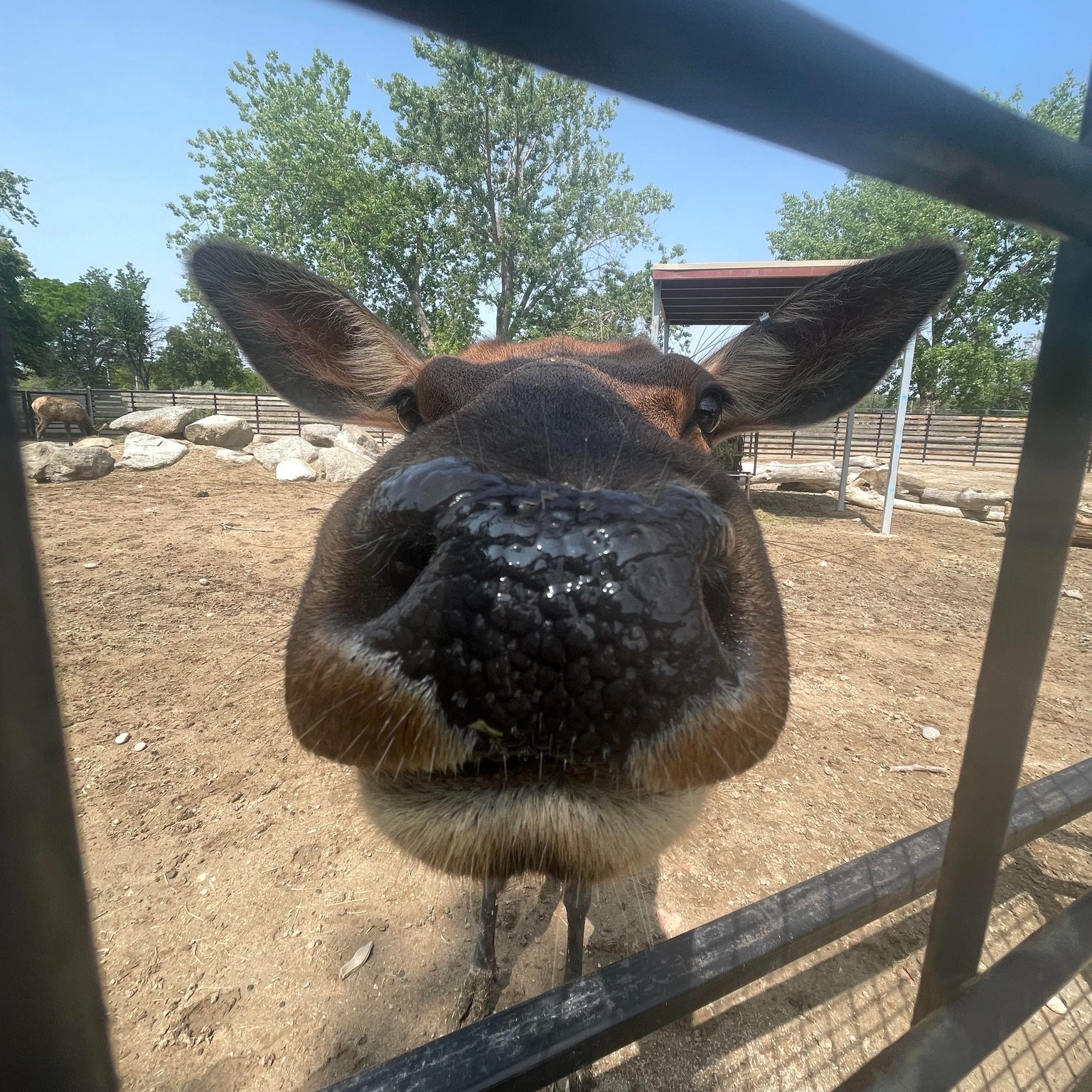
Observation of elk, especially females like Ivy, offers a unique glimpse into their behavior patterns and ecological roles. Female elk, often referred to as cows, play a pivotal role in the social structure and survival of their herds. Observing a cow elk in an area like a zoo provides insights into their curiosity and interaction with environments that mimic their natural habitat. The behavior of female elk, such as sniffing and exploring new surroundings, is critical for understanding their natural instincts and adaptability.
Elk are members of the Cervidae family and are among the largest species of deer. This article explores the intriguing ways these majestic creatures interact with their environment and the importance of preserving their natural habitats. Sniffing and scent-marking serve communication and navigation purposes in their natural range, from grasslands to forested areas. Intrigued by the scent, female elk like Ivy utilize their olfactory senses to explore their surroundings, a behavior that serves various purposes, from locating food to ensuring the safety of their group.
Conservation efforts for elk are crucial for maintaining biodiversity. With human activities encroaching on natural habitats, including urban development and deforestation, conservation strategies become essential for sustaining elk populations. These efforts include habitat restoration, wildlife corridors, and legal protection against poaching. Such strategies are indispensable in ensuring that elk, including females like Ivy, continue to thrive.
Elk play a significant role in their ecosystems. They are herbivores, primarily feeding on grasses, leaves, and bark. This feeding behavior aids in plant control, preventing overgrowth, and consequently helping maintain a balanced ecosystem. Female elk, with their role in reproduction and herd dynamics, contribute significantly to the sustainability of populations. Their presence influences predator-prey relationships, supporting diverse ecological interactions.
Wildlife conservation programs in zoos have a profound impact on raising awareness and promoting wildlife protection. Zoos provide an environment where individuals can learn about these creatures and the threats they face in the wild. Educating the public on the role of elk in their natural habitats helps foster a sense of responsibility toward environmental protection. Zoo conservation programs, through efforts like breeding programs and research, contribute significantly to preserving genetically viable populations.
The field of zoology is fundamental in understanding and addressing conservation challenges. Zoologists study animal behavior, genetics, and ecology, providing the scientific foundation necessary for effective conservation strategies. Through research and fieldwork, zoologists contribute to our understanding of elk and their needs. This knowledge informs conservation policies and practices, ensuring that efforts to protect elk and their habitats are grounded in scientific research.
Incorporating wildlife conservation education into broader curriculum efforts is vital for nurturing a new generation of environmentally conscious individuals. Insights gained from observing animals like Ivy can inspire more people to engage with conservation efforts. Understanding the critical role of female elk in the ecosystem enriches our appreciation of biodiversity and highlights the interdependence of species within their habitats.
Conserving elk involves various stakeholders, including governments, conservation organizations, and local communities. Collaborative efforts improve the effectiveness of conservation projects, ensuring sustainable outcomes. Conservationists work to develop and implement strategies that protect natural resources while accommodating human needs.
The sniffing behavior exhibited by female elk like Ivy is a small but significant aspect of their interaction with the world. It signals their adaptability and the complex communication methods they employ. Observing such behaviors enriches our understanding of the natural world, encouraging ongoing efforts to protect these magnificent animals.
To summarize, the observation and study of female elk such as Ivy offer valuable insights into elk behavior, conservation challenges, and the critical role these animals play within their ecosystems. They serve as a reminder of the importance of preserving natural habitats and fostering a harmonious relationship between humans and wildlife. Through continuous education and conservation efforts, we can contribute to the protection and sustainability of elk populations for future generations to appreciate and learn from.
*****
Source Description
*sniff sniff*
If you see one of the female elk near the observation area checking things out, it just may be Ivy, pictured here!
