
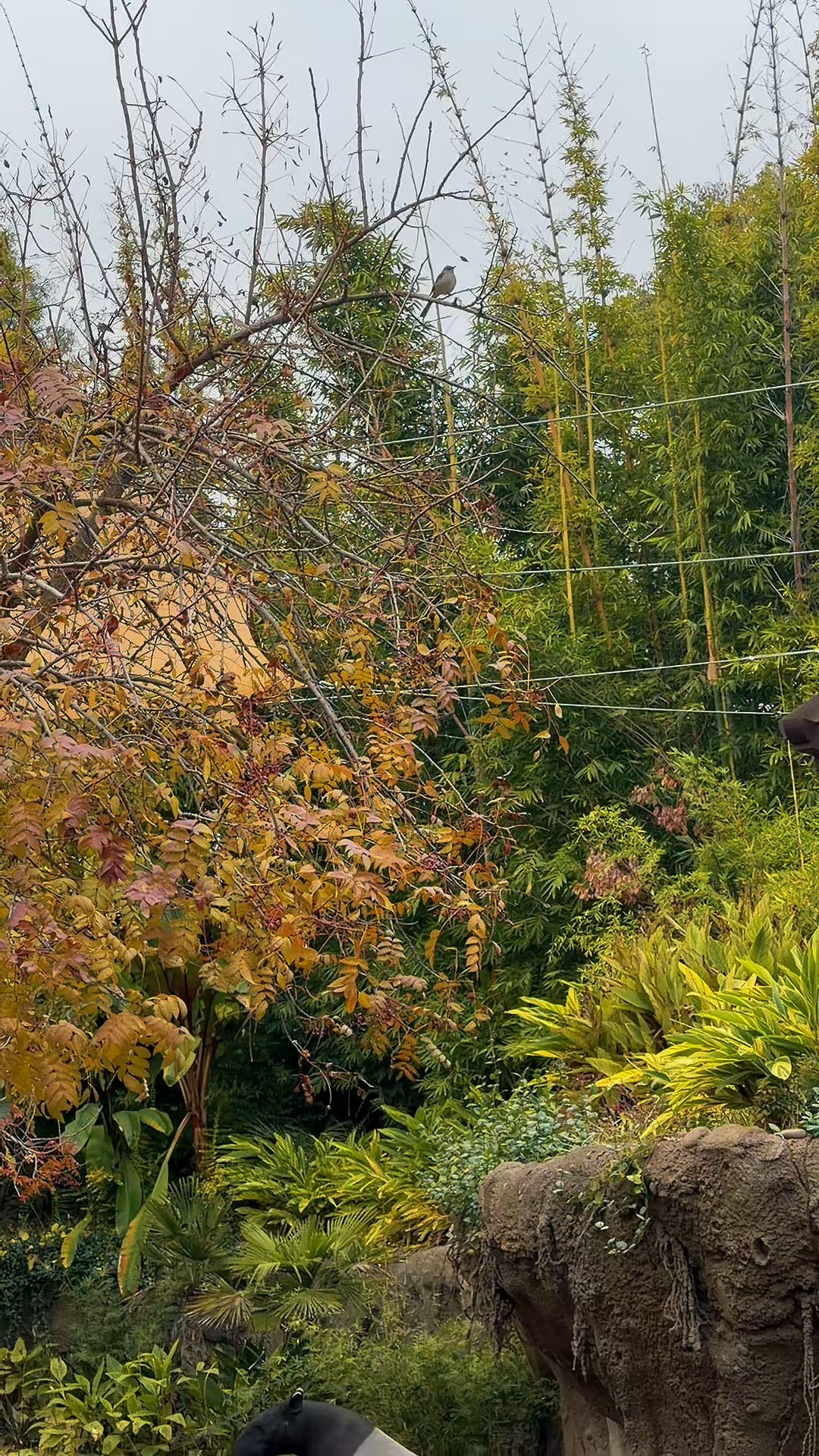
- The importance of stillness in animal behavior and ecology
- Tapirs: Their biology, behavior, and habitat
- The significance of conservation efforts for tapirs
- The role of wildlife education and public engagement
- How moments of stillness can promote mental health and well-being
In exploring the theme of stillness, we can learn valuable lessons from animal behavior, particularly the tapir. These fascinating creatures exhibit behaviors that allow them to thrive in their habitats. Understanding the significance of stillness in the animal world offers insights into ecology, conservation, and mental well-being.
Stillness is more than a moment of quiet; it represents a critical behavior that many animals utilize for survival. For prey species, remaining motionless can elude predators, while for others, such as tapirs, stillness facilitates various social and environmental interactions. Observing tapirs in their natural environments allows us to witness this behavior in action. When they pause in serene landscapes, it’s not merely a moment of rest. It’s a strategy woven into their existence.
Tapirs belong to the perissodactyl order, making them relatives to horses and rhinoceroses. Characterized by their stout bodies, short legs, and long snouts, tapirs are well-adapted for life in dense tropical forests. These mammals primarily reside in regions ranging from Central America to parts of South America and Southeast Asia. They display a remarkable ability to forage for fruits and leaves in their lush surroundings.
Behaviors associated with stillness can be observed in tapirs especially during feeding. While munching on leaves and fruits, they often pause to listen and survey their surroundings. This vigilance, combined with their ability to blend into the foliage, enhances their chances of avoiding predators like jaguars or humans. Research indicates that being motionless allows them to decrease the risk of detection, reinforcing the notion that quietness plays an essential role in their life cycle.
Tapirs are amazing examples of how stillness contributes to survival and adaptation. Their habitats encompass wetlands and forest edges, vital ecosystems that provide food and shelter. However, these ecosystems are under threat due to deforestation and habitat fragmentation. Conservation efforts seek to address these challenges and ensure the sustainability of tapirs in their native environments.
Habitat loss has significant repercussions not just for tapir populations, but also for the biodiversity of the ecosystems they inhabit. Tapirs play a crucial role as seed dispersers. They consume various plants, and as they move through the forest, they promote the growth of new vegetation. This ecological function highlights the interconnectedness of species within an ecosystem. Keeping tapirs safe and thriving is imperative for maintaining biodiversity.
Currently, several agencies focus on tapir conservation. Organizations work diligently to protect their habitats and educate local communities. The combined efforts of wildlife biologists, conservationists, and local citizens are pivotal. By advocating for sustainable land-use practices, they aim to mitigate the impact of agriculture and urban expansion on tapir populations. Supporting sustainable tourism initiatives fosters respect for wildlife, enabling communities to engage with their environment.
Public engagement is an efficient method to boost conservation awareness. Education and outreach programs have become instrumental in fostering understanding about tapirs, their merits, and their ecological roles. Institutions such as zoos and nature reserves provide platforms for connecting visitors with these extraordinary animals. By highlighting moments of stillness, such as watching tapirs relax, people can appreciate the unique behaviors that these creatures exhibit. Captivating stories, like those seen in social media reels, can inspire others to care for wildlife and advocate for their protection.
In collaboration with these efforts, engaging the public in active conservation initiatives can create a sense of ownership over the natural environment. Programs in schools and community centers that include outdoor experiences can facilitate positive connections with wildlife, bolstering support for conservation initiatives.
Furthermore, the benefits of mindfulness practices fostered by moments of stillness can significantly influence human health. Nature therapy or ecotherapy emphasizes the importance of engaging with natural settings, which fosters mental well-being. By sharing experiences of observing tapirs in tranquil situations, people can cultivate a deeper appreciation for stillness and serenity, enhancing their mental health.
Research supports the idea that such engagement can reduce stress and improve emotional health. Exposing ourselves to animals like tapirs in serene environments encourages relaxation, resulting in improved focus and clarity. Thus, the environment is crucial not only for wildlife but for human health as well.
Moments of stillness in animals can offer profound insights into how we can lead balanced and fulfilled lives. In observing tapirs, we encounter an invitation to pause and reflect, creating an opportunity for mindfulness. Their ability to remain still amidst the verdant forests serves a purpose far beyond entertainment; it connects us to fundamental ecological principles and highlights the essential roles that each species plays within its habitat.
In the grand scheme of ecological balance, every element, from large mammals to plants, relies on mutual coexistence. Preserving habitats for species like tapirs ensures that entire ecosystems can flourish. Engaging with these environments not only promotes conservation but also enriches our lives.
Understanding the relationship between stillness and survival in animals emphasizes the importance of empathy towards wildlife. By fostering connections with nature and advocating for its protection, we enhance our life experiences and make strides toward a sustainable future. Every individual can contribute meaningfully to this movement through awareness, education, and empathy.
Conservation is not solely an initiative for the future; it is a participatory commitment we make in the present. As the message of “Sometimes stillness is the move” resonates, it illustrates the beauty of nature and the need for its preservation. Observing our tapirs reminds us of the delicate balance of life, urging us to take action wherever possible.
In a world filled with distractions and noise, learning from animals that exemplify serenity is invaluable. Watching tapirs remain tranquil in their habitat teaches us that embracing stillness can lead to greater awareness, compassion, and a deeper understanding of our interconnectedness. Moments of stillness can transform not only wildlife conservation practices but can also improve our personal journeys through life.
While we encourage individuals to engage in wildlife observation and support conservation endeavors, we wish to emphasize that the essence of these experiences often centers around moments of pause. Through collective dedication, we can protect creatures like tapirs and, by extension, honor the vibrant ecosystems they inhabit. Our intertwined destinies dictate that in looking after the planet, we also look after ourselves.
*****
Source Description
Sometimes stillness is the move. Join our tapirs for a moment of serenity ☮️ 🕊️
