
- Understanding Capybaras: Biology and Behavior
- Capybaras in Different Ecosystems
- The Role of Capybaras in Wildlife Conservation
- Capybaras and Human Interaction
- Promoting Capybara Awareness and Conservation Efforts
Understanding Capybaras: Biology and Behavior
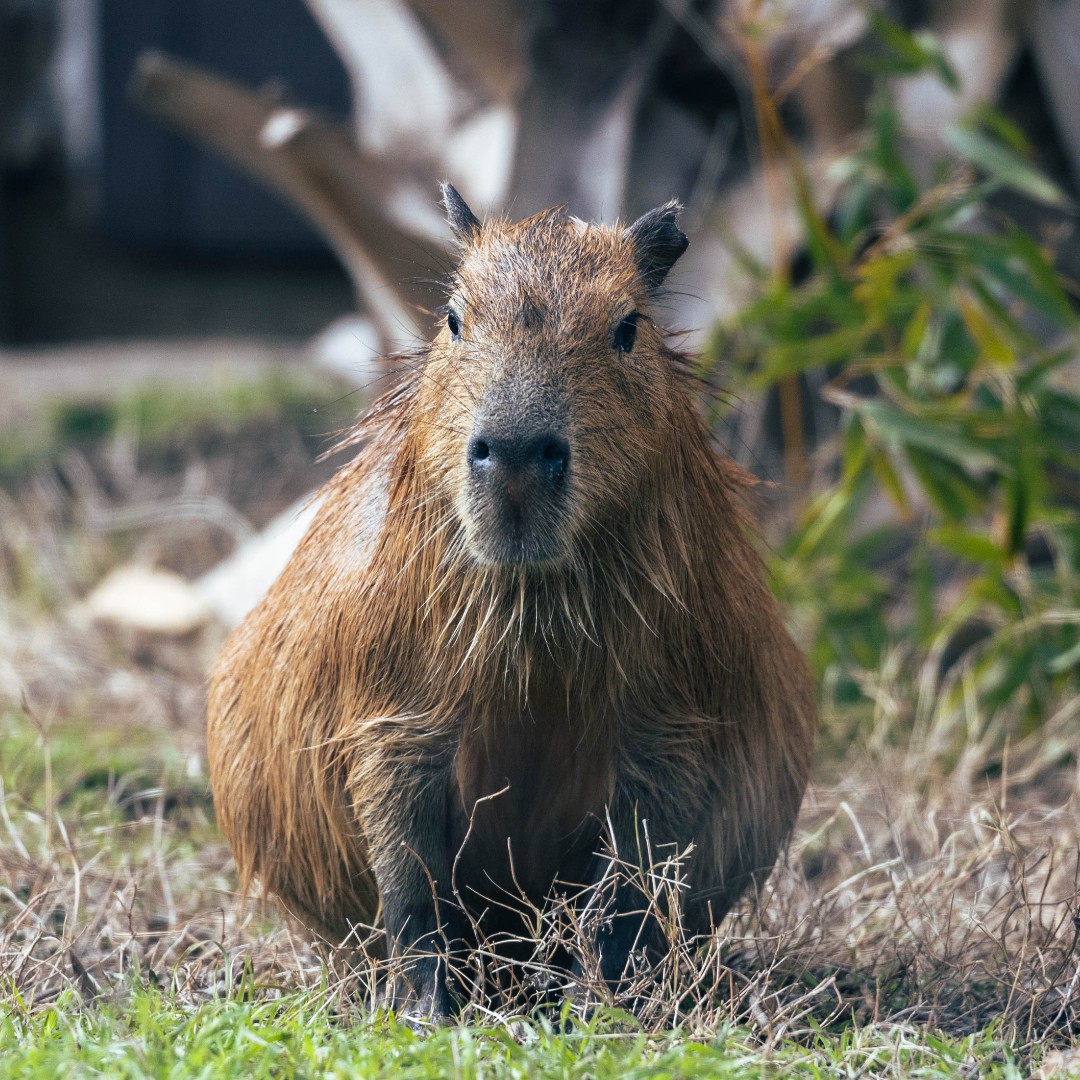
Capybaras (Hydrochoerus hydrochaeris) rank as the largest rodents in the world. They are native to South America, primarily inhabiting regions near water bodies like rivers, lakes, and swamps. Adult capybaras can weigh between 77 to 146 pounds. Their physical attributes include a robust, barrel-shaped build, short legs, and a large head. Some key adaptations help them thrive in their environments. With webbed feet, capybaras are excellent swimmers, allowing them to escape predators and forage for aquatic vegetation.
Social animals by nature, capybaras typically live in groups of 10-20 individuals, although larger gatherings of up to 100 can occur in areas with abundant resources. Their social structure is often matriarchal, with dominant females leading the group. Capybaras communicate through a range of vocalizations—whistles, barks, and even growls—which help convey warning signals and maintain group cohesion.
Understanding their behavior is vital for effective management in captivity and the wild. Capybaras are primarily herbivorous, feeding on grasses and aquatic plants. Their digestive systems have adapted to extract nutrients from fibrous plant materials, facilitating their survival in diverse habitats. As a result of their grazing habits, they contribute significantly to their ecosystems by influencing plant community dynamics.
Capybaras are also known to exhibit thermoregulation behaviors. During hot weather, these animals can often be seen submerging themselves in water to cool off. Their unique ability to adapt to climatic variations demonstrates their resilience as a species.
Capybaras in Different Ecosystems
Capybaras inhabit various ecosystems, particularly savannas, wetlands, and forests. Preferring areas with abundant water sources, these rodents thrive in habitats that provide not only food but also safety from predators. They are found in countries such as Brazil, Venezuela, Colombia, and Argentina, where water bodies are common.
The wetlands they inhabit are crucial ecosystems, playing a pivotal role in maintaining biodiversity. Plant species in these areas are adapted to fluctuating water levels, creating a rich habitat for many other animals. Capybaras help maintain these ecosystems by grazing, which can enhance the growth of certain plant species while controlling the spread of others.
In more urbanized areas, capybaras often adapt to human presence. They may forage in parks and suburban environments, demonstrating their remarkable flexibility. This adaptability can lead to conflict situations, such as property damage or human-wildlife interactions. However, learning to coexist with capybaras can offer essential insights into wildlife management strategies.
Understanding capybaras’ ecological roles enables conservationists to design effective measures aimed at preserving their populations. Because these animals influence their habitats so significantly, protecting their ecosystems indirectly safeguards numerous other species.
The Role of Capybaras in Wildlife Conservation
The conservation status of capybaras is currently classified as “Least Concern” by the International Union for Conservation of Nature (IUCN). However, ongoing habitat destruction poses significant risks to their populations. Urbanization, agriculture, and deforestation are relentless threats that diminish suitable habitats for capybaras and other wildlife.
Conservation efforts must address these challenges by promoting habitat restoration and sustainable land use practices. Education and awareness campaigns can empower local communities to understand the importance of preserving wetlands and the species inhabiting them. Engaging communities in conservation initiatives fosters a sense of ownership and responsibility towards local wildlife.
Additionally, capybaras serve as an excellent flagship species for broader conservation efforts. Due to their status as social and charismatic animals, they can capture public interest, drawing attention to critical conservation issues. This increased awareness can lead to funding for projects aimed at preserving their habitats and those of other species in the same ecosystem.
Participation in capybara conservation can also help combat issues like illegal hunting and poaching. As demand for capybara meat and skins persists in some regions, efforts to safeguard these animals from exploitation become increasingly important. Collaborative initiatives between governmental bodies, NGOs, and indigenous communities can foster sustainable practices that respect both cultural traditions and wildlife conservation.
Capybaras and Human Interaction
The interaction between capybaras and humans is multifaceted. In some regions, capybaras are domesticated and kept as pets. Their friendly nature makes them attractive companions, although prospective owners should consider their social needs and habitat requirements. A single capybara may experience stress and longing for companionship if kept in isolation.
In agricultural settings, capybaras may come into conflict with farmers. Their grazing habits can lead to crop damage, particularly in areas where food is limited. Effective management strategies, including using fencing or deterrents, can mitigate these conflicts. Understanding local ecosystems can also help farmers work harmoniously with capybaras, turning potential conflict into coexistence.
Zoos and wildlife parks play a vital role in educating the public about capybaras. These institutions often host educational programs that highlight the importance of wildlife conservation. Visitors frequently engage with these animals, learning about their behavior and ecological significance. This interaction fosters a deeper appreciation for wildlife and encourages advocacy for conservation efforts.
Additionally, social media has made capybaras a cultural phenomenon, particularly among younger generations. The phrase “No thoughts, just capy vibes” encapsulates the internet’s love for these animals. Their adorable demeanor and friendly characteristics resonate with people worldwide, making them symbolic creatures of relaxation and comfort. This phenomenon can be leveraged to promote conservation messaging, capitalizing on the capybara’s popularity to spread awareness about environmental stewardship.
Promoting Capybara Awareness and Conservation Efforts
The growing fascination with capybaras presents a unique opportunity for conservationists and educators. By harnessing social media trends and public interest, targeted campaigns can effectively communicate the importance of preserving capybara habitats and ecosystems.
Creating engaging content that features capybaras can draw attention to broader conservation issues. Videos, articles, and social media posts that emphasize their natural behaviors, social structures, and contributions to their ecosystems can inspire people to take action. Highlighting local conservation programs and encouraging individuals to get involved presents a constructive outlet for this interest.
Educational workshops, seminars, and community events can provide further opportunities for engagement. These events can help dispel myths about wildlife, emphasize the importance of biodiversity, and promote sustainable practices. Partnerships with schools and universities can also enhance educational outreach efforts, equipping future generations with the knowledge necessary to protect these animals.
Encouraging sustainable tourism focused on capybara habitats can also foster economic benefits for local communities. Wildlife-based tourism can serve as a sustainable alternative to unsustainable practices like hunting or land conversion. By attracting visitors interested in observing capybaras in their natural habitats, communities can find a source of income that aligns with conservation goals.
Conservation organizations play an essential role in promoting capybara awareness. Campaigns can focus on habitat preservation, wildlife corridors, and legislation aimed at protecting wetlands. Collaboration with local businesses and media can amplify these campaigns, securing broader support for conservation initiatives.
Capybaras embody the spirit of coexistence within diverse ecosystems. Their charm and social nature serve as a bridge between environmental awareness and public engagement. Fostering knowledge about capybaras can inspire a collective responsibility to protect wildlife and promote sustainable practices that honor both nature and the communities with which it shares space.
The “No thoughts, just capy vibes” concept captures the joy and simplicity that these animals bring into people’s lives. This sentiment can transform into a powerful rallying cry for wildlife conservation, encouraging society to cherish the natural world while actively participating in its preservation.
*****
Source Description
No thoughts, just capy vibes 🥰
