
- Exploring the behavior and adaptations of animals during the weekend transition.
- Understanding zoo management practices that enhance animal welfare and weekend engagement.
- Examining wildlife conservation efforts focused on animal behavior and public interaction.
- Delving into the impact of human activity and visitor interaction on animal stress levels and behavior.
- Discussing educational programs and community involvement in fostering wildlife conservation awareness.
Animals exhibit fascinating behaviors when transitioning from their routine to the weekend. These shifts are influenced by environmental changes, human interaction, and biological instincts. In zoos, weekends often mean an increase in visitor numbers, influencing animal activities and interactions. Understanding these dynamics is crucial, both for enhancing animal welfare and for educating the public on wildlife conservation.
Behavioral Adaptations: Animals and Weekend Dynamics
Many animals exhibit behaviors closely linked to their natural instincts, such as foraging, territory marking, and socialization. During weekends, when human presence is more pronounced, these behaviors might change. Some species become more active, showcasing their agility and social structures, while others may retreat into secluded areas to avoid stress.
For example, primates often become more interactive, leveraging their intelligence to engage with visitors or each other, showcasing complex social dynamics. Cats, like lions and tigers, might increase territorial displays, which are fundamental to their social structures. Understanding these adaptations is critical. Detailed observation and data collection allow researchers to refine enrichment activities that cater specifically to weekend behavior.
Zoo Management Practices: Enhancing Welfare and Engagement
Zoo management plays a pivotal role in harmonizing the needs of animals with visitor expectations. During weekends, management practices focus on maintaining optimal living conditions while facilitating educational opportunities. Sound practices include the implementation of innovative enrichment programs that simulate natural habitats and stimulate physical and mental activity.
Animal welfare is prioritized through structured feeding schedules, interactive exhibits, and strategic enclosure designs. Enclosures are crafted to provide varied environments, allowing animals to display natural behaviors. Additionally, staff work tirelessly to monitor animal health, providing medical care and nutritional support as needed.
Innovative visitor engagement strategies are essential. Interactive exhibits offer deeper insights into animal behaviors and conservation efforts. Educational talks led by knowledgeable staff bridge the gap between humans and wildlife, fostering a sense of responsibility toward conservation.
Wildlife Conservation: Behavior and Public Interaction
Conservation efforts pay special attention to how animals interact with the environment and people, especially during peak visiting times. Studying these interactions is valuable for scientific research and essential for creating public awareness about conservation.
Programs often focus on species that are at risk, highlighting threats they face in the wild. Conservation strategies incorporate habitat preservation, anti-poaching efforts, and breeding programs to ensure species survival. By sharing these initiatives with the public, zoos inspire greater involvement in conservation activities.
It’s crucial to communicate the role of each species in its ecosystem and explain the impact of human actions. This fosters a connection between the zoo visitors and the broader conservation narrative, motivating supportive behaviors such as volunteering or donations.
Human Activity and Animal Behavior: Stress and Interaction
Increased human activity during weekends can significantly affect animal behavior and stress levels. Noise, movement, and increased interaction can lead to elevated stress responses in some species. Understanding these effects is vital for developing strategies that minimize stress and promote natural behaviors.
Animals like reptiles or nocturnal mammals may experience anxiety due to disruptions. Signs of stress include excessive grooming, withdrawal, or aggression. Zoos employ various methods to mitigate stress, such as providing quiet zones and enhancing enclosure privacy. Monitoring technology helps track stress markers, allowing interventions when needed.
Efforts to reduce stress are paralleled by educational programs that teach visitors respectful engagement. These programs illuminate the importance of observing rather than interacting closely with wildlife, ensuring a safer and more enjoyable experience for all.
Educational Programs and Community Involvement
Education is at the forefront of every conservation and zoo management strategy. Programs designed to enlighten visitors about wildlife play a crucial role in promoting conservation. Weekend workshops, guided tours, and interactive exhibitions are crucial for disseminating knowledge.
Zoos often collaborate with local schools and community groups, integrating wildlife education into broader curriculums. They provide resources, training, and support for teachers, enhancing the outreach capability of conservation messages. Hands-on activities, such as animal feeding and habitat restoration projects, further solidify community involvement.
By leveraging digital platforms, zoos extend their educational outreach. Virtual tours and online webinars provide global access, permitting wider participation beyond local audiences. These digital tools are integral in cultivating widespread ecological awareness and stewardship.
In conclusion, leaping into the weekend offers a unique perspective on animal behavior, zoo management, and wildlife conservation. By studying these patterns, adopting innovative management practices, and fostering deep public engagement, we not only enhance the lives of the animals in our care but also strengthen our commitment to preserving wildlife for future generations.
*****
Source Description
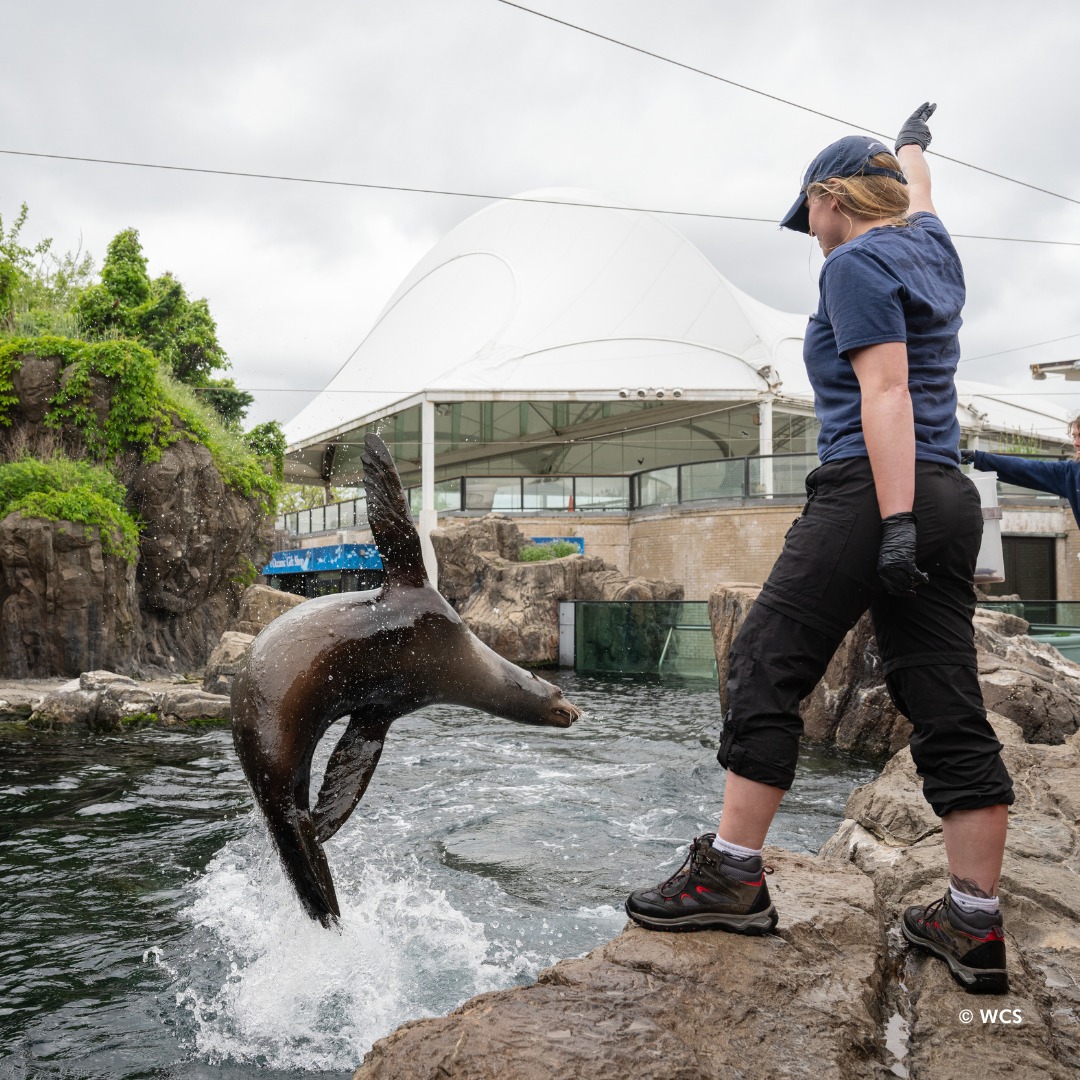
Leaping into the weekend like….
