
- Overview of Sand Cats: Biology and Habitat
- Behavioral Traits: Social Structure and Predatory Skills
- Conservation Status and Threats to Sand Cat Populations
- The Role of Zoos and Wildlife Sanctuaries in Sand Cat Preservation
- Practical Ways for Individuals to Contribute to Wildlife Conservation
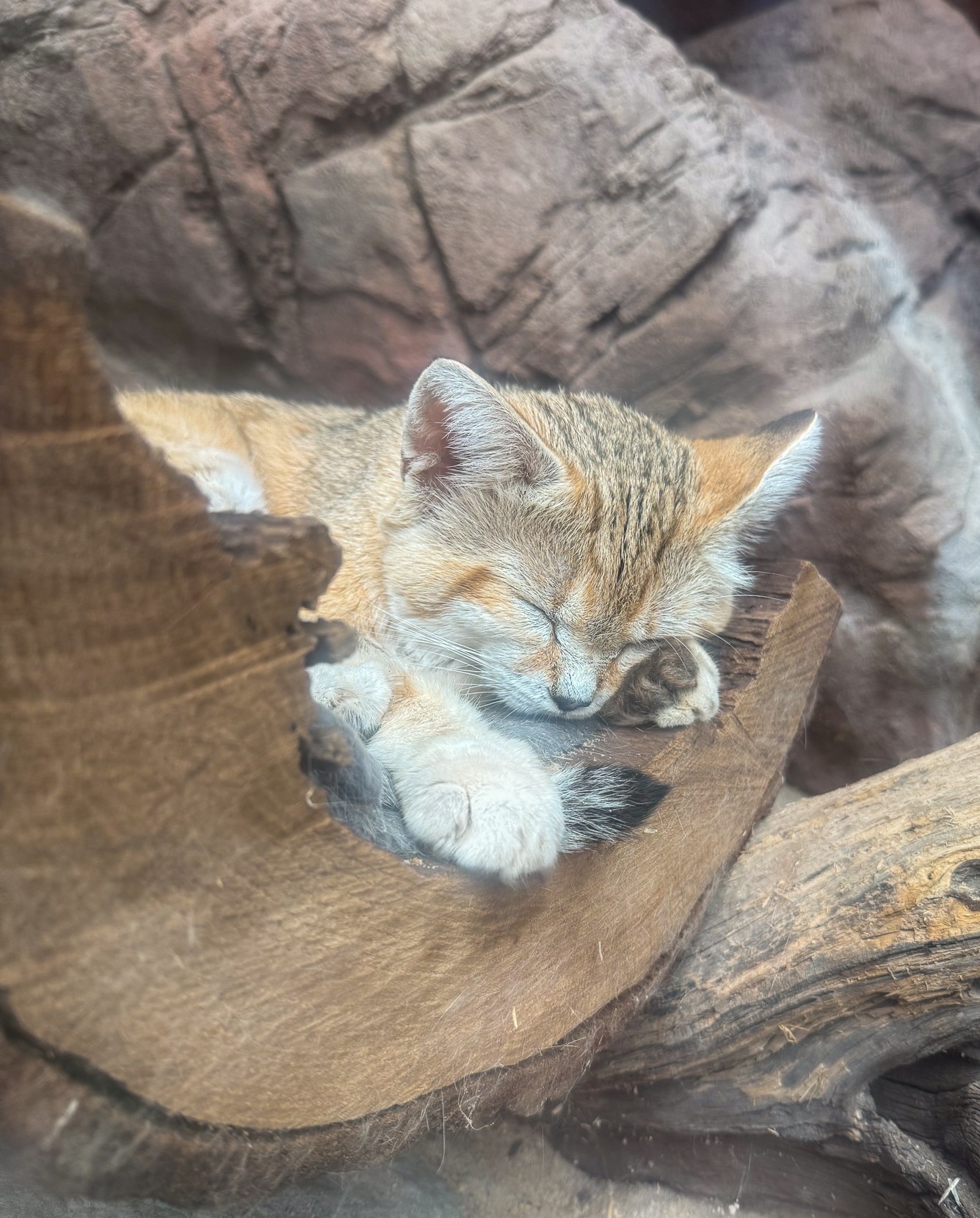
The sand cat (Felis margarita) is a fascinating creature, capturing the imagination of many with its adorable appearance. However, its cuteness hides a fierce predator, uniquely adapted to survive in the harsh conditions of the desert. Sand cats are the only species of felids sourced specifically for desert life, thriving in deserts from North Africa to the Middle East and Central Asia. Their biology reveals much about their adaptations, including specialized fur, well-developed senses, and robust vocalizations used for communication in the arid expanse.
Their body structure makes them well-suited for living in sandy environments. Their broad, furry paws help distribute weight and prevent sinking in the sand, while their thick fur protects them from extreme temperatures, ranging from scorching heat during the day to frigid cold at night. The coloration of their fur, typically sandy or light brown, enables sand cats to blend seamlessly into their environment, a crucial factor in both camouflage and hunting.
In terms of behavioral traits, sand cats exhibit a solitary lifestyle. They are primarily nocturnal, which aids in avoiding the blistering daytime temperatures. With their keen sense of hearing, they can detect prey beneath the sand, enabling them to pounce with precision. Specialized hunting strategies, involving stalk-and-ambush techniques, allow them to capture small rodents, lizards, and insects effectively. Notably, sand cats are known to fill their cheeks with prey for later consumption, an adaptation that helps them survive through periods when food is scarce.
Despite their captivating nature, sand cats face numerous challenges in the wild. Their conservation status is of increasing concern, as habitat loss from human encroachment, agricultural expansion, and climate change threaten their populations. The IUCN Red List categorizes sand cats as Least Concern; however, localized populations may be facing extinction due to habitat destruction and hunting. Understanding the ecological impact of these threats is critical for developing effective conservation strategies.
Zoos and wildlife sanctuaries play an instrumental role in the preservation of sand cats. These institutions participate in breeding programs that seek to maintain genetic diversity and promote a sustainable population for future reintroduction into the wild. Through education and outreach, zoos help raise awareness about the importance of conserving these remarkable animals. They foster research that informs the public about threats posed to sand cat populations and the environments they inhabit.
For those interested in contributing to wildlife conservation, there are several actions one can take. Supporting reputable wildlife organizations that focus on habitat preservation and anti-poaching initiatives is paramount. Additionally, participating in educational programs and advocating for wildlife protection legislation can amplify efforts to save sand cats and other endangered species. Understanding personal consumption choices and their environmental impact also play a significant role. Simple changes such as reducing plastic usage and supporting sustainable food sources can lessen individual footprints.
Thus, while one may daydream about being Cosmo the sand cat, cozy and napping away after a long weekend, it is vital to recognize the challenges these animals face in reality. As delightful as they are, sand cats are fierce and instinctual predators that fully embody the rugged essence of desert life. Educating ourselves about sand cats and advocating for their protection is crucial in ensuring their survival for generations to come.
*****
Source Description
We all want to be Cosmo the sand cat today, curled up and cozy just napping away after a 3-day weekend! 💤 Sand cats are cute but NOT cuddly! They are fierce predators and the only species of cat that live solely in the desert. 🏜️ 🌵
