
- The importance of biodiversity and wildlife conservation
- The role of zoos in education and awareness
- The significance of inclusivity and community engagement
- The impact of Pride Month on wildlife and conservation initiatives
- The ongoing efforts and successes of the Saint Louis Zoo
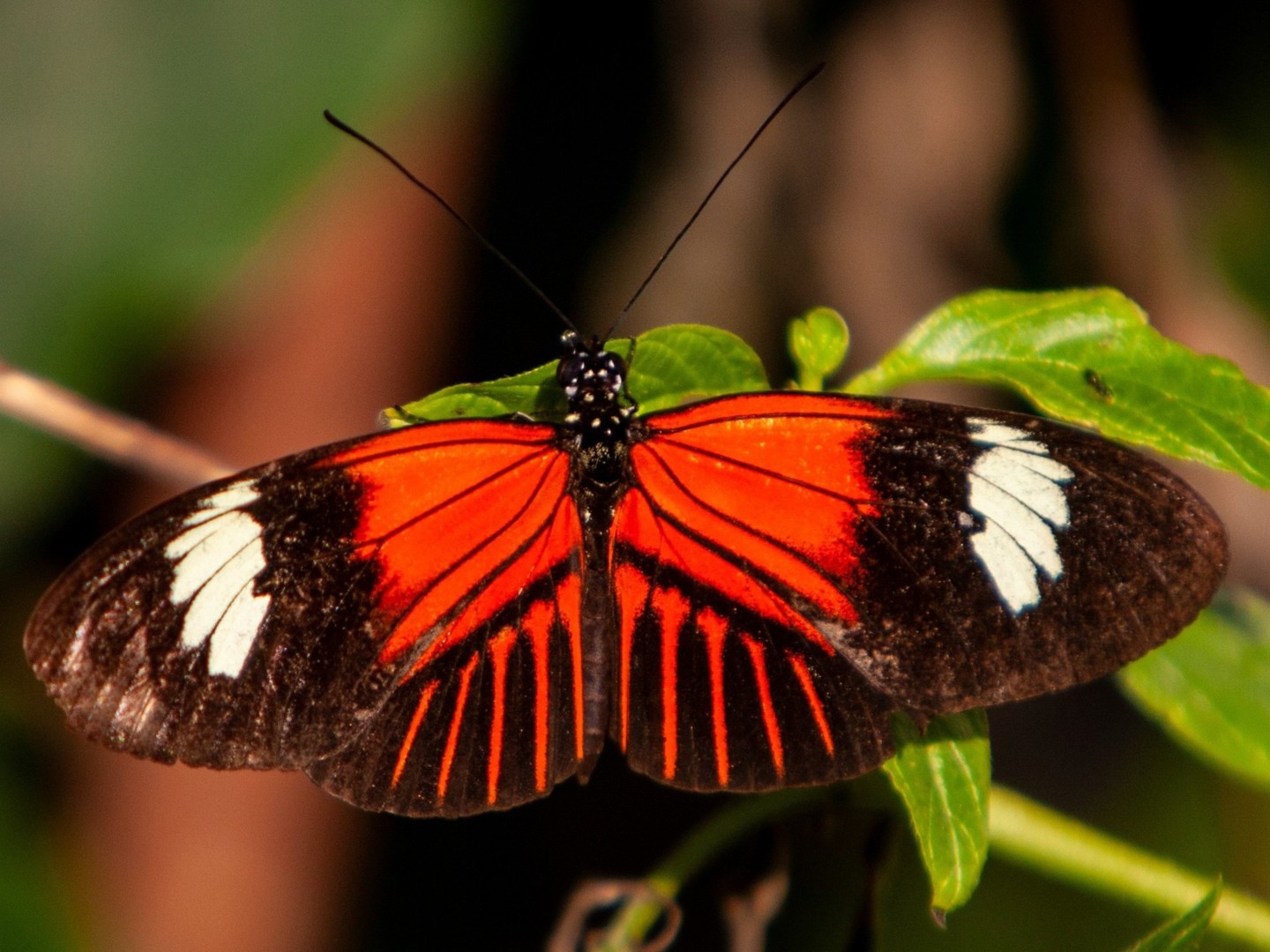
Here at the Zoo, we embrace the beauty, vibrancy, and diversity of life in all its forms. This theme resonates with the importance of biodiversity and conservation, which entails protecting various species and their habitats. Biodiversity contributes not only to ecological balance but also to human well-being. Each organism, from the smallest insect to the largest mammal, plays a vital role in maintaining ecosystem health. When we lose a species, we sacrifice unique genetic resources and functions crucial for the resilience of our environment.
Zoos, such as the Saint Louis Zoo, are instrumental in fostering awareness about the need to protect biodiversity. They offer a unique opportunity to observe wildlife up close, facilitating a deeper understanding of various species and their behaviors. Educators at the zoo utilize engaging programs and interactive exhibits to share vital information about endangered species and the threats they face. These encounters are not only educational; they often foster emotional connections between visitors and the animals, leading to increased advocacy for wildlife protection.
Another aspect that should not be overlooked is inclusivity and community engagement. The Saint Louis Zoo welcomes all visitors, offering programs designed for diverse audiences. Inclusivity extends beyond human communities; it also involves recognizing and valuing the different ways various cultures interact with wildlife. Celebrating diversity in the context of wildlife emphasizes that every species and every person has a role in conservation efforts. This approach nurtures a community that has a shared responsibility towards protecting the environment.
Pride Month offers a special opportunity to reflect on how various social movements resonate with conservation objectives. Just as Pride highlights the importance of acceptance and diversity within the LGBTQ+ community, it also serves as a reminder that inclusivity should permeate every facet of society, including wildlife conservation. The values of acceptance and understanding can inspire innovative conservation initiatives. For instance, zoos can become safe spaces for dialogue that bridges social divides, fostering a sense of community that champions environmental stewardship.
The ongoing efforts and successes of the Saint Louis Zoo exemplify this commitment to diversity and conservation. With innovative programs focused on habitat restoration, species recovery, and public education, the zoo is setting a standard for modern wildlife management. Visitors can experience exhibits that simulate natural habitats, promoting both ecological understanding and appreciation. These engaging environments showcase the zoo’s dedication to creating a thriving ecosystem, allowing all visitors to connect with wildlife on a deeper level.
In exploring the role of zoos as educational platforms, we must highlight their contribution to research and breeding programs focused on endangered species. Such initiatives are crucial for maintaining genetic diversity, which is essential for species health. The knowledge gained through zoological research has vast implications for conservation strategies in the wild. For example, breeding programs can help reintroduce species back into their natural habitats, countering the effects of habitat destruction and climate change.
Zoos also play an integral part in global conservation efforts. By partnering with international wildlife organizations, they support critical fieldwork and conservation initiatives around the world. Through financial contributions and expert guidance, the Saint Louis Zoo contributes to habitat restoration projects, anti-poaching campaigns, and community-based conservation efforts. Educational collaborations with local communities help raise awareness about the importance of biodiversity and the negative impact of illegal wildlife trade.
The St. Louis Zoo is also focused on understanding and celebrating the ecological connections between species. Animal behavior studies conducted within zoos assist scientists in gathering essential data about feeding habits, mating practices, and social structures. This information is vital for creating effective conservation strategies that take into account the complex interplay between species and their environments. Such research is especially important as climate change forces many animals to adapt to new challenges in their habitats.
Moreover, the theme of inclusivity during Pride Month aligns well with the zoo’s efforts to broaden its outreach. Special events during this month specifically encourage LGBTQ+ communities to engage with nature and wildlife. These events foster an atmosphere of acceptance and understanding, linking conservation efforts with social justice initiatives. Allowing diverse voices to contribute to wildlife advocacy not only enriches the conversation but also enhances the effectiveness of conservation outreach.
In addition, celebrating diversity is essential within conservation communities themselves. It reminds us to incorporate a multitude of perspectives into our conservation strategies, thereby strengthening the overall message of unity. By providing a platform for varying narratives, zoos like the Saint Louis Zoo can promote a multifaceted approach to wildlife protection and advocacy. This approach allows room for collaboration across cultural and social boundaries, enhancing the quest for meaningful conservation solutions.
Furthermore, public engagement in conservation is a constant mission for zoos. Events designed to inspire visitors to become advocates for wildlife lead to substantial community involvement. This involvement drives changes in policy and individual behavior, illustrating the collective impact that passionate communities can have on conservation efforts. Experiences such as behind-the-scenes tours, animal encounters, and volunteer opportunities amplify public interest in wildlife conservation, fostering a sense of shared purpose.
As we reflect on how to nurture an appreciation for the complexities of wildlife, it’s vital to consider the role of technology. Innovations in digital communication have transformed zoos into platforms for broader outreach and education. The Saint Louis Zoo effectively uses social media and digital content to share insights with a wider audience. This accessibility allows people from all walks of life to partake in conservation dialogues, expanding the community of advocates and supporters.
Ecotourism serves as an integral aspect of this outreach. By promoting sustainable tourism practices, the Saint Louis Zoo helps raise awareness about wildlife and the ecosystems that support them. Tourists who choose ethical wildlife experiences contribute financially to conservation efforts, providing much-needed resources for habitat protection and species recovery programs. This synergy between tourism and wildlife conservation underscores the potential for harmonious relationships between people and the natural world.
In embracing the theme of beauty and vibrancy, we see a call to action. Every creature has a place within the tapestry of life, and each person has the power to contribute. Supporting wildlife conservation goes hand-in-hand with respecting all forms of identity and understanding the interconnectedness of our ecosystems. Pride Month reminds us that acceptance and love should also extend to our planet and its diverse inhabitants.
Programs that celebrate these values within zoos highlight the crucial ties between social movements and environmental stewardship. By creating a culture of inclusivity, zoos can encourage more people to engage with wildlife, thereby amplifying their conservation message. Celebrating both human and animal diversity together can form a powerful coalition for positive change.
The Saint Louis Zoo stands as a beacon of hope and progress in wildlife conservation. Its commitment to education, research, and community engagement creates an environment where everyone feels welcome to connect with wildlife. The zoo exemplifies how institutions can blend the need for inclusivity with a passion for wildlife conservation, promoting a culture of care for all living things.
In celebrating the beauty, vibrancy, and diversity of life, we embrace the idea that every effort counts. From education to action, the relationship between humans and wildlife is a complex interplay that can shape our collective future. When communities come together—regardless of identity—the impact on conservation efforts can be profound. The values that Pride Month celebrates mirror the essence of what it means to care for our planet, inspiring us to act collectively toward a brighter tomorrow for all species.
*****
Source Description
Here at the Zoo, we embrace the beauty, vibrancy and diversity of life in all its forms.
We are a welcoming place for all to connect with wildlife. Happy Pride Month from the Saint Louis Zoo!
