
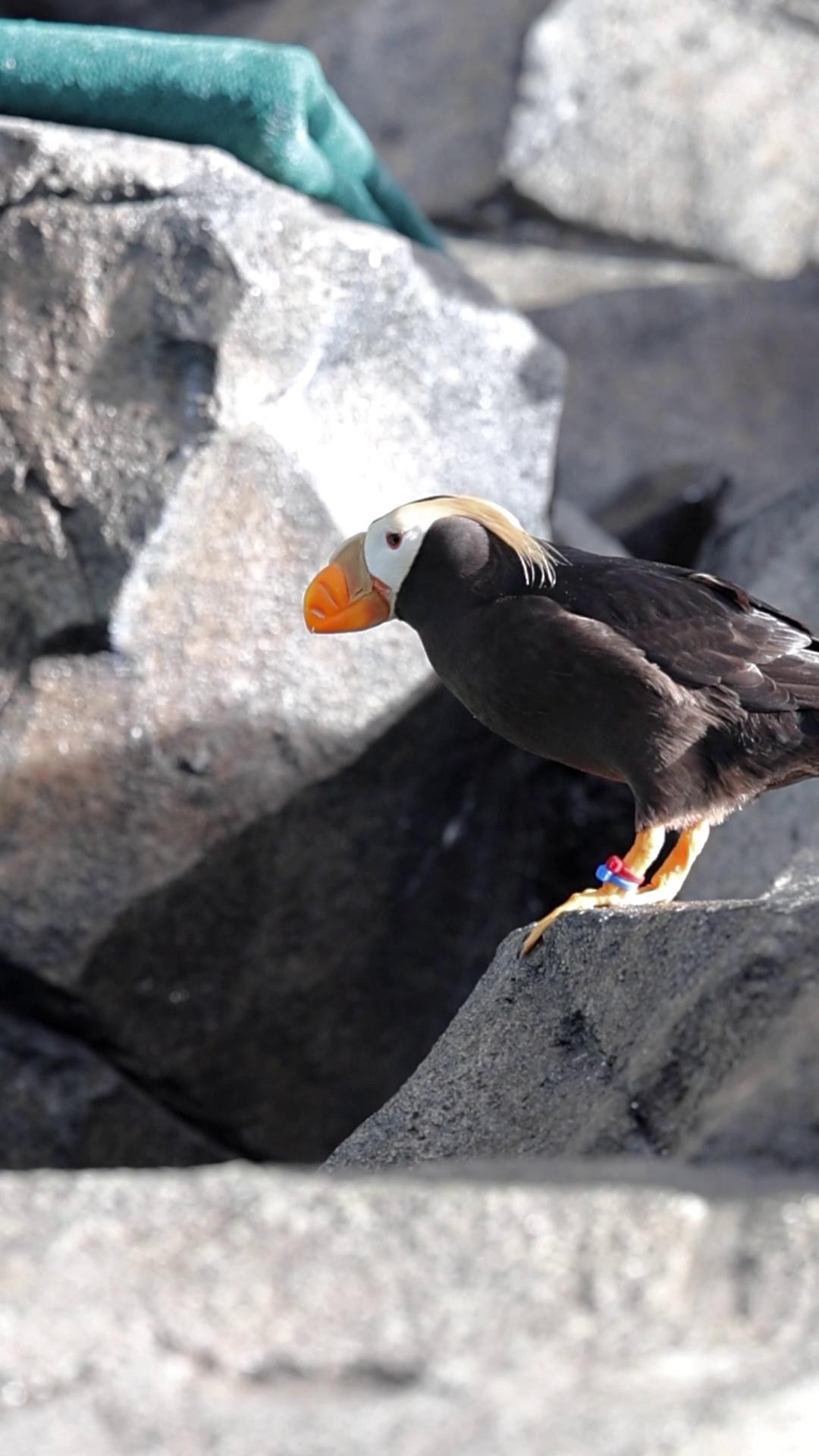
- The tufted puffin’s behavioral patterns during the weekend.
- Physical attributes and adaptations of the tufted puffin.
- The ecological role of tufted puffins in their environment.
- Conservation efforts for tufted puffins and their habitats.
- Activity and stress relief: Lessons from tufted puffins for humans.
The tufted puffin, a captivating seabird found primarily along the northern Pacific Ocean, captures attention not only for its striking appearance but also for its fascinating behaviors. The metaphor of “jumping into the weekend” mirrors how this bird experiences its life cycle, particularly through its seasonal habits and leisure time after a strenuous week of foraging and nesting. Understanding how tufted puffins engage with their environment and their routine provides insight into their life and an engaging perspective for humans contemplating how to unwind after a demanding period.
The tufted puffin is distinguished by its colorful beak and striking black and white plumage, which makes it one of the most visually arresting species in the puffin family. These birds, part of the family Alcidae, have a robust body optimized for diving. Their wings are relatively short and strong, allowing them to “fly” underwater with adept maneuverability as they pursue small fish and marine invertebrates. During the weekend, they exhibit a playful demeanor, often seen diving and jumping. This behavior can be likened to a break from a long week, mirroring how humans often find ways to relax and rejuvenate after work.
Physical adaptation plays a significant role in the tufted puffin’s ability to thrive in its environment. These birds weigh between 1.5 to 3.5 pounds and have a wingspan ranging from 20 to 25 inches. Their specialized feathers are both water-resistant and insulated, crucial traits for surviving Pacific waters, which can become frigid. The puffin’s short, sturdy legs are positioned further back on its body, making it a proficient swimmer but slightly clumsier on land. When these birds return to their nests after a long day of foraging, they often appear to hop and leap joyfully, symbolizing a release from that day’s toil. This behavior may serve not merely as a mode of locomotion but as a sign of the freedom and exhilaration of life outside the confines of the ocean depths.
In ecosystems where tufted puffins reside, they function as key players in marine environments. Their feeding habits contribute to controlling fish populations and help maintain the balance within their ecological niche. Puffins primarily consume small fish such as herring and anchovies, as well as various marine invertebrates. In doing so, they inadvertently provide nutrients back to the ocean and their nesting sites through their droppings, known as guano. This nutrient cycling promotes rich vegetation, benefiting other wildlife within their habitats. As puffins engage in their daily survival, they demonstrate the interconnectedness of nature—how one creature’s actions support a broader ecosystem.
Conservation efforts surrounding tufted puffins are critical, especially as climate change and human activities threaten their habitats. These birds are sensitive to changes in fish populations, and warming ocean temperatures disrupt their food supply. Factors such as oil spills, pollution, and overfishing further exacerbate these conditions, leading to decreased puffin populations. Conservation organizations have implemented numerous initiatives aimed at monitoring puffin habitats, especially breeding sites on remote islands. These projects often involve habitat restoration and public education to promote awareness of the importance of preserving these remarkable birds.
Education and community involvement have become instrumental in conservation. Local populations are engaged through citizen science projects aimed at tracking puffin numbers and their habitats. These initiatives provide critical data for scientists while fostering a deeper understanding of environmental stewardship among community members. The joy and relief that humans experience during weekends can serve as an important reminder of the need for balance within ecological systems. By participating in conservation activities, individuals can experience similar relief, knowing they contribute positively to the health of the planet.
Humans can apply insights from tufted puffins to their own weekend routines. Just as these birds transition from a demanding week of foraging to moments of play and rest, people can benefit from incorporating regular breaks into their schedules. Physical activity, whether through hiking, swimming, or simply enjoying the outdoors, parallels the puffin’s active lifestyle. This engagement with nature is essential for stress relief and mental well-being. Learning to jump into the weekend, much like a tufted puffin, could become a more intentional communal activity that allows for reflection and rejuvenation.
The tufted puffin stands as a symbol of the intricate balance of nature. Its behaviors, adaptations, and ecological role make it an important species to study and protect. As individuals reflect on their own lives, parallels can be drawn between their weekend rituals and the lively existence of the tufted puffin, symbolizing the importance of play and renewal after periods of productivity. Through education, involvement, and awareness, humans can foster the same sense of community and balance that these remarkable birds exhibit, ensuring a sustainable future for the pulmonary ecosystems they inhabit.
As the weekend approaches, consider the ways that your own routines echo those of nature. Understanding life through the lens of creatures such as the tufted puffin can reveal fundamental truths about balance, leisure, and environmental responsibility. The ability to jump into the weekend reflects not just a reprieve from labor, but a form of engagement with one another and the world at large, an echo of the vibrant, flourishing life embodied by the tufted puffin.
*****
Source Description
Jumping into the weekend after a long week like Slate the tufted puffin…
