
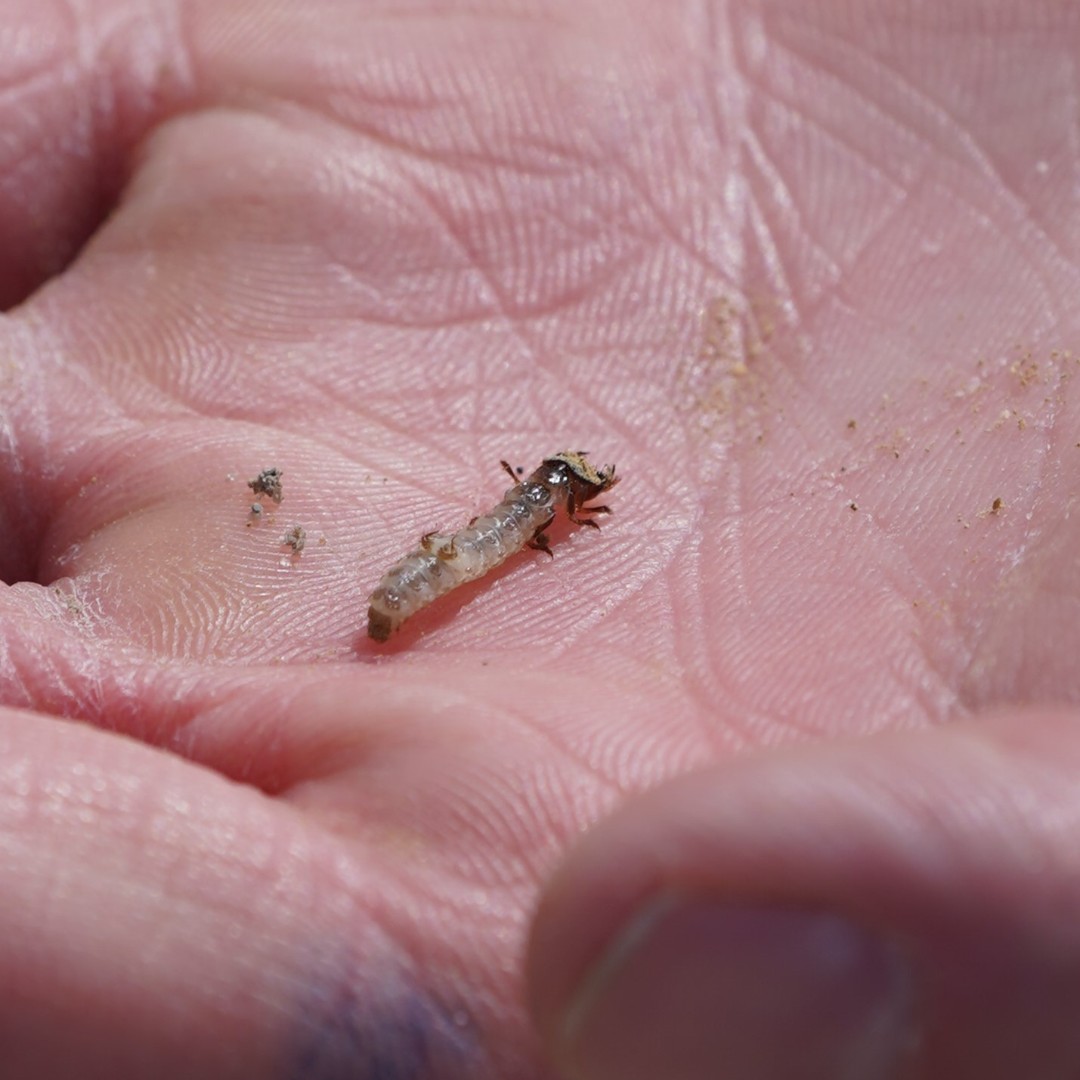
- Overview of Endangered Species Day and its significance for conservation
- The Salt Creek tiger beetle: biology, habitat, and life cycle
- Collaborative conservation efforts and their importance
- The challenges facing the Salt Creek tiger beetle and other endangered species
- How individuals can participate in conservation efforts
Endangered Species Day offers an opportunity to raise awareness about the plight of numerous species at risk of extinction. This day underscores the importance of conservation and reminds us of our responsibility to protect the planet’s biodiversity. Among the notable species facing threats is the Salt Creek tiger beetle, a rare insect found only in a limited range. Highlighting its status provides insight into conservation work, specifically related to the Salt Creek tiger beetle and its habitat in Lancaster County, Nebraska.
The Salt Creek tiger beetle (Cicindela nevadica lincolniana) is a remarkable insect characterized by its striking metallic green exterior and unique behavior. These beetles spend most of their life as larvae, residing underground in small burrows. They thrive in saline wetlands, which are now limited to only 15 acres along Salt Creek. Such a restricted habitat underscores the challenges this species faces, making it crucial to understand their biology and ecological requirements.
The Salt Creek tiger beetle’s life cycle begins when adult beetles emerge in late spring. After mating, females lay their eggs in sandy areas near water sources, where the larvae will develop underground for extended periods. These larvae are predatory, feeding on various small invertebrates, and exhibit a fascinating predation technique where they ambush prey from their burrows. This adaptive behavior showcases their ecological role within their habitat, as they help maintain the balance of the local ecosystem.
Collaborative conservation efforts have become pivotal in addressing the decline of the Salt Creek tiger beetle. Various organizations have come together to protect this vulnerable species. Notable contributors include the Omaha Zoo, Lincoln Children’s Zoo, the U.S. Fish and Wildlife Service (USFWS), the University of Nebraska, state parks, and local resources like the Lower Platte Natural Resources District. Such partnerships allow for resource sharing and improve the effectiveness of efforts aimed at habitat restoration and species recovery.
One successful initiative involved the release of approximately 170 tiger beetle larvae into the wild. These larvae, some raised in Topeka, were carefully placed in protected burrows within their natural habitat. This strategic action was part of a broader habitat restoration project aimed at ensuring the long-term survival of the Salt Creek tiger beetle. The collaborative effort highlights the importance of shared responsibility in conservation efforts, bringing together science, community engagement, and local stewardship.
The Salt Creek tiger beetle faces several threats that endanger its survival. Habitat loss due to urban development, pollution, and invasive species are primary concerns. As urban areas expand, essential wetland habitats are often drained or destroyed. Additionally, human activities can introduce pollutants that compromise the delicate ecosystems where these beetles thrive. The introduction of invasive flora and fauna disrupts natural ecosystems, as businesses that may have been beneficial to native species become prevalent, creating competition for resources.
In addition to habitat loss, climate change poses a significant risk to the Salt Creek tiger beetle and its habitat. Shifts in temperature and precipitation patterns can alter the delicate saline environment essential for their survival. Strategies to combat these risks include habitat restoration and management practices that focus on maintaining the beetle’s ecological needs. By prioritizing the preservation of saline wetlands, conservationists play a crucial role in safeguarding this endangered insect.
Individuals looking to make a difference in conservation efforts can consider several practical steps. First, becoming active in local conservation groups can amplify their impact. These organizations often engage in restoration projects, awareness campaigns, and educational programs, providing a platform for community members to contribute. Participating in citizen science initiatives can also play a vital role in data collection and monitoring species health, contributing valuable information for scientific research.
Educating oneself and others about endangered species is another effective way to foster awareness. This can take the form of workshops, seminars, or even informal discussions. Sharing knowledge about the Salt Creek tiger beetle and emphasizing its significance in maintaining ecological balance can motivate more individuals to participate in conservation activities. Awareness leads to action, and advocacy for policies promoting biodiversity can hold agencies accountable for protecting natural habitats.
Additionally, supporting local conservation organizations through donations or volunteer work can help sustain essential efforts. Many of these organizations depend on community support to fund restoration projects, conduct research, and provide educational outreach. By investing time and resources, individuals can contribute to long-term conservation outcomes, much like the collaborative efforts observed with the Salt Creek tiger beetle.
Using native plants in landscaping can also create additional habitats for local wildlife, including the Salt Creek tiger beetle. By fostering native flora, individuals contribute to creating a hospitable environment for various species, which can positively affect local ecosystems. Practicing responsible outdoor activities, such as minimizing litter in habitats and avoiding invasive species, can also support overall conservation efforts.
Active participation in local environmental initiatives provides individuals with a direct avenue to make an impact. By joining habitat restoration days or community clean-ups, volunteers not only contribute to on-the-ground efforts but also gain valuable insight into the challenges faced by endangered species. These experiences often deepen one’s understanding of conservation, fostering a sense of responsibility toward protecting local biodiversity.
Engaging with policy through responsible voting practices can also guide conservation efforts. Supporting legislation aimed at protecting natural habitats or allocating funds for conservation projects directly influences the direction of local and national conservation agendas. It is through these combined individual efforts that meaningful progress can be achieved.
The Salt Creek tiger beetle is more than a rare insect; it serves as a symbol of the broader challenges facing species worldwide. Each endangered species, including this unique beetle, represents an essential component of Earth’s biodiversity. Awareness and collaboration demonstrate how communities can come together to promote conservation. The commitment from organizations, local governments, and citizens is crucial in ensuring the survival of the Salt Creek tiger beetle and many other species at risk.
This Endangered Species Day serves as a reminder of our collective duty to take necessary actions for conservation. By understanding the significance of rare species and participating in local efforts, we can contribute to a sustainable future. Conservation is an ongoing journey, and each individual’s voice and actions contribute to a more equitable relationship with nature. Our continued efforts will amplify the recovery and protection of our planet’s invaluable biodiversity, helping prevent the loss of irreplaceable species.
*****
Source Description
It’s Endangered Species Day – the perfect day to highlight one of the world’s rarest insect species (and conservation work we’re proud to be a part of)! 🪲
The Salt Creek tiger beetle spends a majority of its lifespan living as a larva (pictured) underground. This endangered species can only be found in 15 acres of restored saline wetlands along Salt Creek in Lancaster county- just north of Lincoln, NE. Last week, a group of entomologists released about 170 tiger beetle larvae (including ones raised here in Topeka!) into the wild by digging & placing the larvae in tiny, protected burrows. Just look at the tip of the paint brush for scale!
This collaborative effort of conservation is made with @theomahazoo @lincolnchildrenszoo @usfws @unlincoln @negameandparks @lnkparksrec ,the Lower Platte Natural Resources District, and the Saline Wetlands Partnership.
