
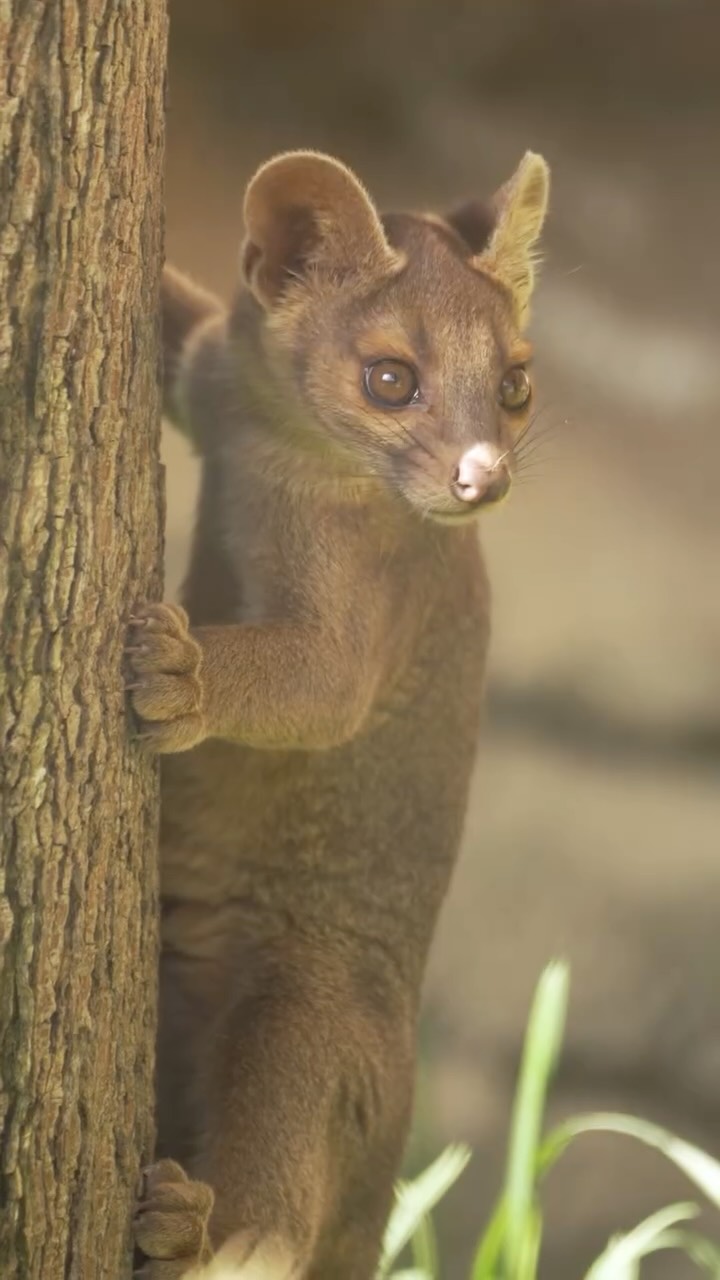
- The significance of fossa in conservation efforts.
- Details about the San Diego Zoo’s fossa pups and their development.
- The role of zoo management in breeding and caring for fossa.
- The challenges fossa face in the wild and conservation measures.
- Educational initiatives related to fossa and wildlife conservation.
The fossa (Cryptoprocta ferox) is a fascinating carnivorous mammal native to Madagascar. Often described as a blend between a cat and a mongoose, the fossa is the largest carnivore on the island and plays a crucial role in its fragile ecosystem. Conservation efforts surrounding this unique species have become increasingly important due to its vulnerable status in the wild. The arrival of three fossa pups at the San Diego Zoo brings renewed focus to the species and highlights the zoo’s role in global conservation.
The recent births of three fossa pups, brothers Isalo and Fiaro and sister Volana, mark a significant achievement for the San Diego Zoo. These pups were born to first-time mother Kintana in July 2023. It is the first litter of fossa born at the zoo since 2017, making their arrival particularly special. The pups spent their initial months bonding with their mother in their den, an important period for both social and physical development. Now, as they venture into the larger habitat of Africa Rocks, their remarkable agility becomes apparent. Springing and climbing with energy, they showcase the skills that will be essential for their survival in the wild.
In the past three decades, the San Diego Zoo has successfully welcomed over 40 fossa pups into its breeding program. Each birth contributes valuable data on fossa behavior, genetics, and health, vital information needed for conservation efforts. By studying these animals in a controlled environment, zoos can better understand the ecological requirements of the fossa and develop strategies to support their populations in Madagascar, where they face significant threats from habitat loss and hunting.
The management practices employed by the San Diego Zoo are critical in ensuring the well-being of the fossa. The staff places significant emphasis on creating an environment that mimics the fossa’s natural habitat. The design of the exhibit includes ample climbing structures, vegetation, and varied terrains to encourage natural behaviors such as leaping and climbing. These features are essential for cognitive stimulation and physical health. Careful monitoring of the mother and pups during the early stages ensures that Kintana provides adequate nurturing, which is crucial for the pups’ survival.
Wild fossa face serious challenges, including deforestation, habitat fragmentation, and poaching. The primary threat is the destruction of their forest habitats due to agricultural expansion and development. In Madagascar, large areas of forest are being cleared for logging and farming. This loss of habitat leads to food shortages and increased encounters with humans, often resulting in conflicts. Regulatory measures and habitat restoration efforts are essential to mitigate these threats and to provide a safer environment for the fossa.
Moreover, hunting remains a severe threat, as fossa are sometimes seen as pests by local communities. Public education is vital to change perceptions of fossa and emphasize their role in controlling rodent populations. Understanding their ecology is essential for locals to appreciate their importance. Initiatives aimed at reducing human-wildlife conflict can foster coexistence and support conservation.
The San Diego Zoo engages in educational outreach about the fossa and its ecological significance. Programs aimed at schools and community groups highlight the importance of biodiversity and the role that carnivores play in maintaining healthy ecosystems. By spreading awareness about the plight of the fossa, zoos like San Diego endeavor to inspire action and support for conservation initiatives.
In addition to in-person education programs, the zoo utilizes social media and digital platforms to reach a broader audience. Engaging content about the fossa pups helps raise awareness of the species and the challenges they face in the wild. Platforms like Instagram and Facebook allow the zoo to share updates, photographs, and educational material quickly and effectively, reaching audiences far beyond those who visit the zoo in person.
Moreover, engaging local communities is essential for effective conservation. The San Diego Zoo collaborates with Madagascar’s local NGOs and community groups to launch conservation programs that benefit both wildlife and the local populace. These collaborations aim to promote sustainable agricultural practices, habitat restoration, and economic incentives for wildlife protection. Local involvement and education empower communities and foster a sense of stewardship for their natural resources.
Collaboration with other zoos and conservation programs enhances knowledge and resource sharing, creating a network of support for fossa conservation. The San Diego Zoo participates in the Species Survival Plan (SSP) for fossa, ensuring genetic diversity and population health through managed breeding programs. Such plans are designed to safeguard genetic variations and resilience among captive populations, providing a genetic reservoir for future reinforcement of wild populations if necessary.
It is crucial to note that while breeding programs in zoos cannot entirely compensate for the loss of fossa in their natural habitats, they serve as integral components of broader conservation strategies. The data gathered from these programs informs wildlife management and conservation techniques tailored to the specific needs of the species. Understanding the fossa’s breeding behaviors, social structures, and diet in captivity provides insights that can be applied to their wild counterparts.
The importance of habitat preservation cannot be overstated. Continued efforts to protect Madagascar’s forests are vital in securing a future for the fossa. International conservation groups work alongside local governments and stakeholders to create protected areas and implement sustainable land-use policies. These collaborative efforts aim to balance development needs with ecological preservation, allowing local communities to thrive without compromising wildlife.
The plight of the fossa is indicative of broader issues faced by wildlife globally. Many species are struggling due to habitat loss, climate change, and human encroachment. The case of the fossa exemplifies the critical need for targeted conservation strategies that address the specific threats each species faces.
Moreover, the success of breeding programs demonstrates the potential for zoos to contribute to wildlife conservation proactively. By showcasing species like the fossa, zoos not only educate the public but also foster a connection between people and wildlife. This connection is crucial for building support for conservation initiatives. Practical measures taken at the San Diego Zoo serve as a model for other facilities worldwide, emphasizing the significant role engaged zoos can play in conservation efforts.
The fossa and its new pups symbolize resilience in conservation and the possibility of success in preserving vulnerable species. As they leap and climb in their habitat, they are not only a testament to the hard work of zoo staff but also represent broader conservation ambitions. Protecting the fossa requires a multi-faceted approach—one that involves habitat protection, community engagement, and education.
Contributions from zoological institutions like the San Diego Zoo highlight the connections between wildlife conservation and public education. The ongoing efforts to foster a better understanding of wildlife, combined with sustainable practices, can lead to a future where species like the fossa thrive both in the wild and in managed care. The hard work of zoos offers hope for endangered species, underlining the importance of collective action in conservation. Through comprehensive programs and community outreach, the San Diego Zoo provides a blueprint for successful wildlife conservation initiatives, focused on not just survival but thriving biodiversity.
*****
Source Description
Hardcore parkour pups 🤸
The San Diego Zoo has welcomed a litter of three fossa pups, a rare and exciting arrival as the first fossa births at the Zoo since 2017. Born in July to first-time mom Kintana, the trio, brothers Isalo and Fiaro and sister Volana, spent their first few months bonding with mom in their den, and are now springboarding around their habitat in Africa Rocks, showing off their pro leaping and climbing already.
Over the past three decades, the Zoo has helped welcome more than 40 fossa pups, contributing vital knowledge to protect this vulnerable species around the world.
