
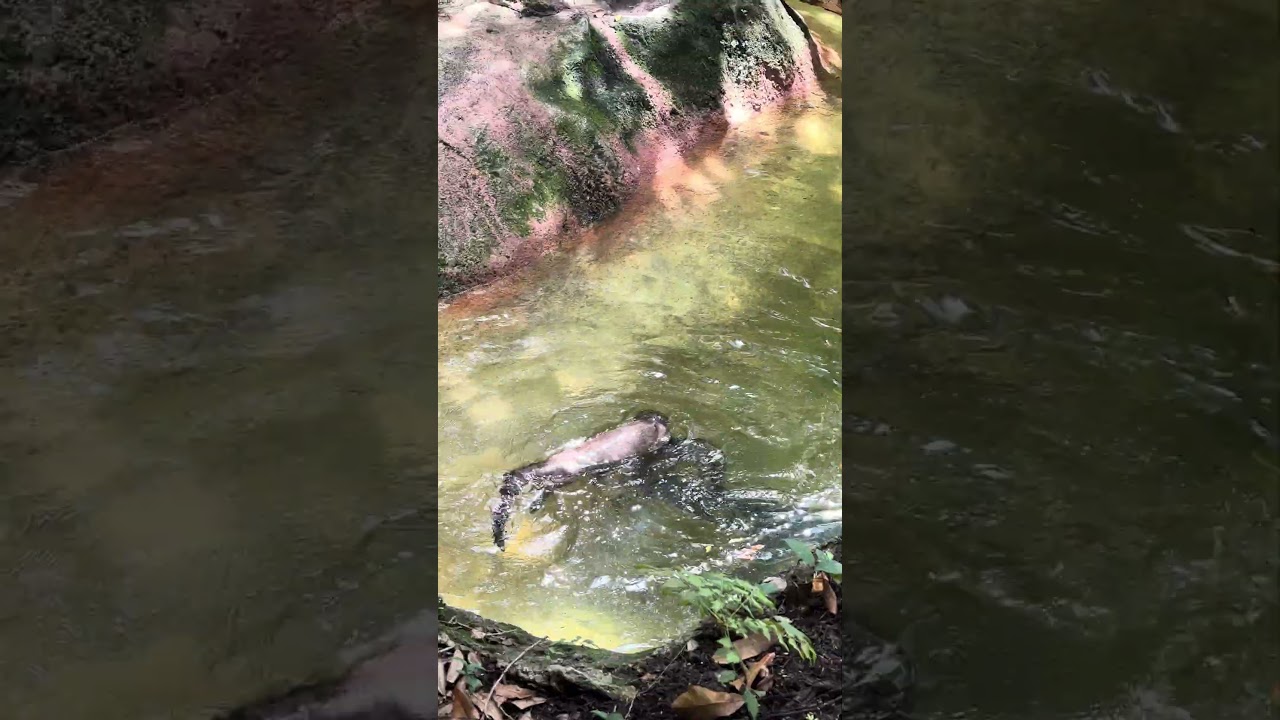
- River otter anatomy and behavior
- Importance of enrichment activities for otters
- Conservation efforts for river otters
- The role of zoos in wildlife education
- Engaging with the audience during otter playtime
River otters, such as Sammy and Ryobi, are fascinating creatures that captivate audiences with their playful nature and agile movements. As members of the weasel family, these semi-aquatic mammals are notable for their streamlined bodies, webbed feet, and thick fur, which provides insulation in cold water. Adult river otters can weigh between 50 to 100 pounds and measure about 2 to 3 feet in length. They feature a tapered tail that aids in swimming and allows them to navigate through aquatic environments with ease. Their anatomy is specifically adapted to support a lifestyle closely linked to water, where they spend a significant portion of their time hunting for fish, crustaceans, and small mammals.
Observing river otters like Sammy and Ryobi can also provide valuable insights into their social behavior. River otters are very social animals; they often live in family groups called rafts, which can consist of up to 20 individuals. They communicate through a variety of vocalizations, body postures, and even scent marking. The bonds they form with one another are integral to their survival and allow for cooperation during hunting and play. Their playful antics, such as sliding down riverbanks and engaging in mock battles, serve as both social interaction and a method for honing their physical skills, essential for survival in the wild.
One of the significant aspects of managing animals in captivity, such as Sammy and Ryobi, is to provide environmental enrichment. For river otters, enrichment activities stimulate their minds and encourage natural behaviors that they would typically exhibit in the wild. This includes providing toys, different types of food puzzles, and opportunities for swimming and exploration. Enrichment plays a crucial role in maintaining their mental health and well-being. Research indicates that animals in enriched environments show reduced signs of stress and improved behavior, underscoring the importance of thoughtful habitat design in zoos.
At Audubon Zoo, dedicated teams continuously develop and assess enrichment programs tailored for otters. These may include rotating toys made from natural materials, adding different substrates to their enclosures for sensory exploration, or even incorporating moving water features. The goal is to replicate some of the dynamics of their natural habitat, ensuring that they remain engaged and active. Regular observation helps staff to adapt these activities and provides insight into how Sammy and Ryobi interact with their environment. This approach not only benefits the animals but also enhances the educational experience for zoo visitors.
Conservation is another critical area where zoos like Audubon Zoo play a pivotal role. River otters were once at risk due to habitat destruction and pollution, which severely impacted their populations. Over the years, however, focused conservation efforts have shown positive outcomes. Organizations are now engaged in habitat restoration projects involving wetland preservation and clean water initiatives. By raising awareness about the threats these animals face, zoos help engage the public in conservation efforts.
Moreover, river otters serve as indicators of ecosystem health. Their presence often indicates a balanced aquatic environment, while a decrease in their population can signal larger environmental issues. Educating visitors about these connections establishes a broader understanding of wildlife conservation issues. The role of zoos extends beyond housing animals; they aim to educate the public about biodiversity and emphasize the necessity of environmental stewardship.
Interactive exhibits featuring Sammy and Ryobi offer a unique opportunity for the audience to engage with river otters. Programs where the public can watch or participate in feeding and training sessions highlight both the playful nature and intelligence of these animals. Educational staff share insights about otter anatomy, behavior, and conservation during these sessions, making the experience both informative and engaging. An informed audience is more likely to develop a sense of responsibility towards wildlife conservation efforts.
Sammy and Ryobi exemplify the innate curiosity and energetic behavior displayed by river otters. Observing their playful nature serves as a reminder of the beauty of wildlife. Playtime showcases not just their agility in water but also their social interactions, emphasizing the importance of cooperation among pack members. In the wild, playful behaviors can aid in learning valuable survival skills, including hunting techniques and evading predators.
In caring for otters, zookeepers are guided by animal welfare standards that prioritize the health and happiness of each animal. Ensuring access to freshwater and creating complex habitats that allow for both physical and mental stimulation is a key part of their daily care. Zookeepers often spend time building relationships with otters like Sammy and Ryobi, leading to trust that can enhance training and reduce stress.
Another focal point of otter care revolves around food. River otters have a varied diet consisting of fish, crustaceans, and mollusks. Nutrition is meticulously monitored to optimize their health. Feeding routines may incorporate whole prey items or specialized diets formulated to meet their dietary needs. This attention to nutrition ensures that Sammy and Ryobi remain healthy and active.
The social dynamics of otters also extend into their relationships with keepers. Otters can form bonds with the staff that care for them. By engaging interactively, keepers strengthen these relationships, which can lead to more effective training. This relationship not only helps in day-to-day care but also enhances the educational programs offered at the zoo. Interactions with visitors can educate them about the needs and natural behaviors of these playful animals, inspiring a new generation to support wildlife protection.
In addition to direct engagement, educational signage throughout the otter exhibit can provide visitors with a wealth of information. Facts about river otter habitats, diet, and social behavior create a comprehensive educational environment. The stories about otters, coupled with interactive sessions, serve to anchor the facts in a relatable context. By combining multiple educational strategies, zoos effectively enhance public understanding of river otters and the ecosystems they inhabit.
The broader implications of river otters extend to aquatic ecosystems. These animals play a significant ecological role in maintaining healthy fish populations and contributing to overall biodiversity. Healthy otter populations often correlate with thriving waterways, which signifies a robust ecosystem. Thus, their conservation is not just about protecting a species but also about maintaining ecological balance.
Various outreach initiatives by zoos include school programs and community events focused on raising awareness about river otters and their habitats. Engaging the public in conservation discussions encourages action at community levels. School programs can utilize information about Sammy and Ryobi to foster interest in biology and wildlife conservation among students, stimulating a future generation of environmental stewards.
As we observe the playful antics of Sammy and Ryobi, it becomes clear that river otters are more than just charming attractions at the zoo. They remind us of the interconnectedness of species and the ecosystems they inhabit. Their behaviors enhance the educational experience for visitors, encouraging discussions about conservation and the environment. Playtime with these otters is not just fun; it embodies crucial lessons about nature, ecology, and our responsibility as guardians of the planet.
Ultimately, as we interact with animals like Sammy and Ryobi, we gain invaluable insights into both their behavior and the larger environmental context in which they exist. Through education, engagement, and ongoing conservation efforts, zoos like Audubon Zoo strive to create awareness about river otters and their ecosystems while inspiring visitors to act responsibly in protecting wildlife. The joy of watching river otters enriches lives and encourages a collective effort toward a more sustainable future for all creatures sharing our planet.
*****
Source Description
