
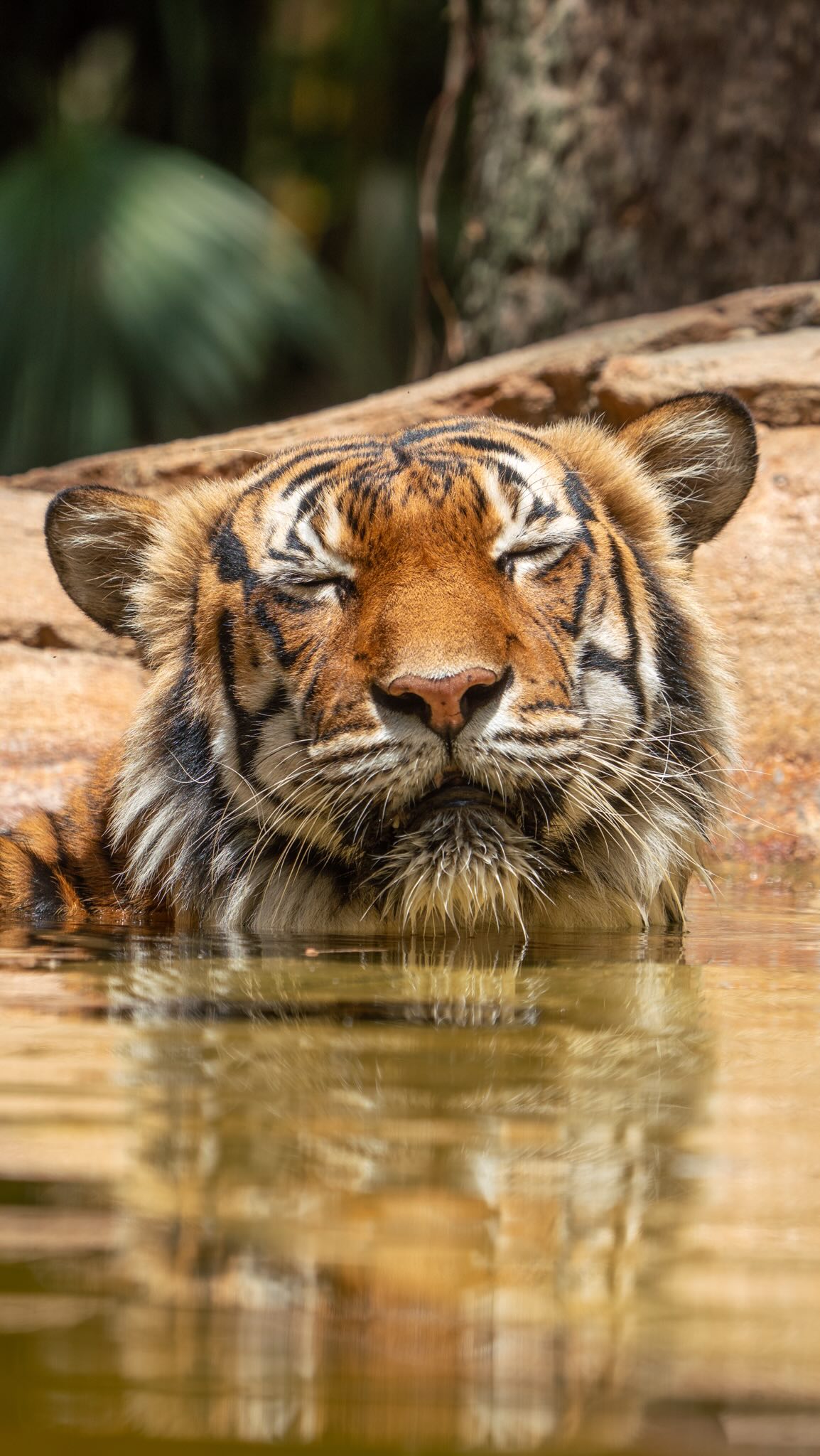
- The significance of providing private pools for animals in zoological settings.
- Insights into zoo management practices that promote animal well-being.
- The role of enrichment activities in wildlife conservation and animal health.
- The impact of climate and seasonal changes on captive animal behavior.
- The ethical dimensions and responsibilities of maintaining animals in captivity.
The comfort of a private pool on a sweltering day is a luxury humans appreciate, but in zoological settings, it carries vital implications for animal welfare. This article explores the importance of private pools for animals, highlighting why such features are pivotal in promoting the physical and psychological well-being of captive wildlife.
Private pools provide animals with opportunities for natural behaviors, crucial in enhancing their quality of life. Water serves as an essential medium for many species, allowing them to exercise, engage in social interactions, and maintain their physiological needs. For large felines like tigers or lions, a pool offers a retreat and space to dissipate heat, especially during the summer months. It also provides an avenue for play and physical exertion, crucial for muscles and cardiovascular health. When animals are allowed to express species-specific behaviors, their stress levels decrease, leading to prolonged life and improved health.
In modern zoo management, providing environments that mimic natural habitats is critical. The design of these spaces requires an understanding of each species’ ecological and biological needs. Pools are not just basic water bodies; they are crafted with different depths, substrates, and vegetation to provide a habitat that encourages natural behaviors. Zoo architects and managers collaborate to analyze animal behavior and ecological data, ensuring that each exhibit not only meets basic needs but exceeds them, offering an immersive experience for both animals and visitors.
Wildlife conservation efforts are deeply tied to these enrichment strategies. Pools and other environmental enrichments play a crucial role in captive breeding programs by reducing stress and encouraging natural mating behaviors. Enrichments have proven instrumental in breeding endangered species, offering a semblance of their native environment. This is pivotal in species survival programs, providing a genetic reservoir for species facing dwindling numbers in the wild.
As climate patterns shift, the impact on captive animals can be significant. Seasonal changes affect animal behavior and health, necessitating adaptive zoo management strategies. Temperature regulation becomes a priority in May, when heat can cause hyperthermia or induce lethargy in animals not acclimated to warmer climates. Pools offer a dynamic solution, allowing animals to self-regulate their temperature, enhancing their comfort and preventing health issues related to extreme weather conditions.
The ethical responsibilities of zoos extend beyond mere exhibition. Ensuring the welfare of animals involves providing environments that cater to their psychological and physical needs. This is a commitment to uphold the highest standards of ethical care and transparency. Captive animals depend on human stewardship, which must prioritize their mental and physical health above all else. This commitment is reflected in the meticulous design and maintenance of habitats, adapting to the complex needs of diverse species.
Engagement strategies in zoological parks often include informative displays and interactive experiences highlighting these conservation and welfare efforts. Educating the public on the importance of such facilities is a critical function of modern zoos. They serve not only as entertainment centers but as educational hubs that foster awareness and understanding of wildlife conservation.
In summary, there’s nothing like cooling off in your own private pool on a hot day in May. The luxury extends beyond mere comfort, playing an essential role in the welfare and conservation of animals in captivity. By offering these specialized environments, zoos can ensure a higher standard of living for their animals, fostering conditions that reflect their natural habitats and behaviors. Ultimately, these efforts are fundamental in supporting the survival and understanding of numerous species, ensuring a brighter future for wildlife worldwide.
*****
Source Description
Nothing like cooling off in your own private pool on a hot day in May 🐅
