
- The importance of summer zoo events for wildlife education and conservation
- Highlights of activities and experiences available at the zoo
- The role of zoos in biodiversity preservation and species recovery
- Interactive programs and educational resources for families
- Volunteer and support opportunities in wildlife conservation
As summer draws to a close, zoos offer a vibrant array of activities that captivate visitors while promoting wildlife education and conservation. These events are not solely for entertainment; they serve a crucial role in informing the public about vital issues regarding animal habitats and biodiversity. Engaging with the zoo during this season can lead to a deeper understanding of wildlife and contribute to supporting conservation efforts.
Summer events help raise awareness about the vital role zoos play in conservation and education. Many species are at risk due to habitat destruction, climate change, and poaching. By attending summer activities, visitors learn about these challenges and the steps zoos are taking to mitigate them. Information sessions, guided tours, and live demonstrations feature animal care specialists who illustrate the delicate balance of ecosystems. These presentations often include firsthand accounts of the challenges faced in the field, how conservation initiatives are implemented, and the successes achieved.
Throughout the month, the zoo provides visitors with scheduled activities that range from educational talks to interactive exhibits. In general, summer themes revolve around specific animals, conservation efforts, or environmental issues. These events encourage family participation, making it an excellent opportunity for parents to instill an early appreciation for wildlife in their children. Special performances, animal encounters, and art installations enrich the experience, making learning enjoyable and interactive.
Zoos also play a pivotal role in biodiversity preservation and improving species recovery rates. Various breeding programs exist to help endangered species rebound, and visitors often have the chance to witness these initiatives in action during their visit. For example, conservation programs focusing on species like the California condor or the Amur leopard showcase how zoos act as an insurance policy against extinction. By blending scientific research with practical applications, zoos contribute significantly to global biodiversity efforts.
Educational resources are plentiful. Many zoos today offer apps and take-home materials that allow families to continue learning after their visit. Interactive exhibits often include touch screens and augmented reality experiences. These resources illustrate ecosystems and the intricate interdependencies of species. Many zoos also provide workshops, talks, and family-friendly activities throughout the summer, further enhancing the educational aspect of visiting the zoo.
Additionally, volunteering and support opportunities abound within the zoo community. Engaging with these initiatives allows individuals to contribute directly to conservation efforts while learning about animal care and habitat preservation. Many zoos offer programs where volunteers can assist in animal enrichment or educational outreach. By participating, visitors gain practical skills and knowledge that benefit both the zoo and their personal understanding of wildlife conservation.
The programming offered in the last month of summer at the zoo is a fantastic way to instill excitement and appreciation for wildlife in audiences of all ages. From animal-centric demonstrations to guest speakers from conservation organizations, the zoo is a hub of activity designed to engage individuals effectively. Summer is a pivotal time for visitors to see the animals in their environments, learn about their diets, behaviors, and habitats, and understand the importance of each species’ role in the ecosystem.
One of the highlights of summer programming includes animal enrichment activities. These events allow visitors to see how animals are stimulated both mentally and physically. Enrichment adds a layer of comprehension for guests as they witness animals engaging with different toys, climbing structures, or puzzles created by their keepers. This not only ensures the animals are healthy and engaged but also provides educational moments for the audience, highlighting the challenges animals face in the wild.
Moreover, many zoos collaborate with conservation organizations to host informational booths and sessions focused on wildlife initiatives. These partnerships are particularly vital as they expand the reach of zoo programs into the local community and beyond. By experiencing firsthand the intersection of conservation, science, and entertainment, guests can become inspired to take action in their lives—whether that means reducing plastic use or donating to wildlife protection initiatives.
The zoo’s educational programs often include hands-on learning experiences. Workshops can range from discussions about animal husbandry to ecology projects that illustrate environmental dependencies. Guests are encouraged to ask questions and engage in dialogues with educators about pressing issues like habitat loss, climate change, and wildlife trafficking. Several zoos even offer special summer camps for children, fostering early interest in careers related to zoology or conservation.
Supporting local wildlife and understanding the broader implications of wildlife conservation is crucial. Visitors leave with more than just a memorable day; they take away valuable lessons about environmental stewardship. Many zoos provide take-home materials that outline actionable steps families can follow to make a difference, from composting to participating in local wildlife preservation initiatives.
Throughout the summer, zoos feature a wide range of events specifically targeted toward diverse interests. Art shows highlighting wildlife photography or illustrations often take place, allowing the community to explore their creativity while appreciating animal imagery. Furthermore, music events and food festivals within the zoo setting create an inviting atmosphere, fostering community interaction and enjoyment.
Individual participation is also vital in wildlife conservation efforts. Various zoos allow visitors to adopt animals or contribute to specific conservation funds. By participating, visitors actively engage in the preservation of species while fostering a sense of responsibility for their welfare. It’s a practical approach that showcases the importance of community involvement while promoting awareness of the global wildlife crisis.
Additionally, a growing number of zoos utilize technology to enhance visitor experiences. QR codes placed throughout the zoo can provide visitors with detailed information about specific species, their habitats, and conservation efforts. Interactive kiosks often allow guests to engage with virtual reality, diving deeper into the complexities of ecosystems that are usually difficult to visualize. This blend of technology and education sets a new standard for how zoos can engage with their audiences.
As summer events wind down, it is essential to reflect on the connections made between individuals and their wildlife environment. Engagements at the zoo allow for a profound understanding of how each species plays a crucial role in maintaining ecological balance. The challenges that zoos face in conservation cannot be overstated; however, the dedication of zoos to educate and inspire action in the community is instrumental in promoting environmental awareness.
The month closes with several special events designed to leave a lasting impact on all who attend. Families are welcomed to participate in hands-on activities that create memorable learning experiences while promoting partnerships in wildlife conservation. Educational tours and camps themed around popular animals can be especially captivating for children, fostering their love for wildlife.
Providing a platform where individuals can connect with animal care keepers adds to the excitement. Engaging conversations centered around animal behavior, nutrition, and care allow visitors to gain a well-rounded view of what goes into maintaining a healthy animal population. These encounters create a deeper appreciation for the complexities of wildlife management and the commitment necessary for successful conservation efforts.
As one experiences the sounds, sights, and interactions of the zoo, it’s evident that these institutions serve as important educational resources. The diverse activities and programs available this month are inviting and deliberate, designed to educate while creating lasting memories with wildlife. Visiting the zoo is about much more than enjoyment; it is about becoming informed advocates for the planet and its inhabitants. The last month of summer offers a unique opportunity to soak up valuable insights and make a meaningful connection with wildlife, leaving all who visit with a wealth of knowledge and inspiration for future engagement in conservation efforts.
*****
Source Description
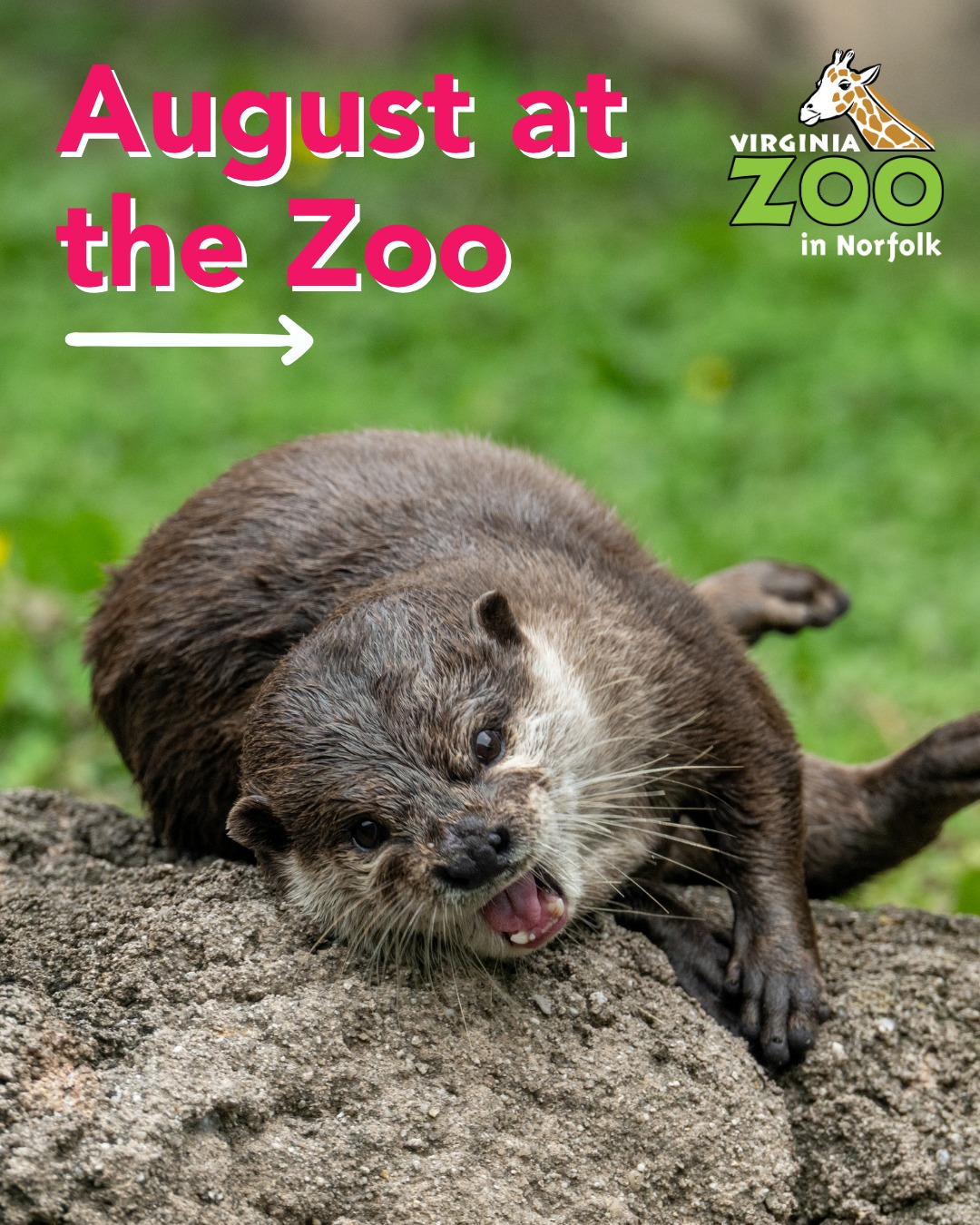
Soak up the last month of summer with tons of fun at the Zoo! 🦦 Check out all we have happening this month →
