
- Understanding the role of scent-rolling in animal behavior
- The ecological significance of using fecal matter for enrichment
- Scent communication among species and its effect on social structures
- The implications for zoo management and animal care
- Conservation insights from animal behaviors observed in captivity
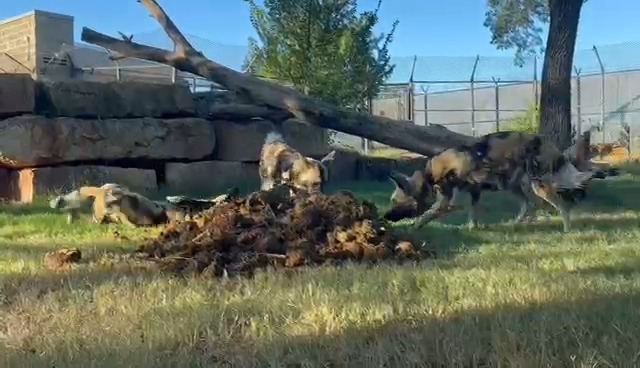
Scent-rolling is a fascinating behavior observed in various animal species, including the African painted dogs. This practice involves animals applying scent to their fur, often using materials from their environment, like feces. The recent enrichment experience for the African painted dogs at the zoo involved fecal matter from the Asian elephants and Indian rhinos. This unique interaction raises important questions about the role of scent-rolling in animal behavior, ecology, and conservation.
Understanding this phenomenon requires us to first examine the natural tendencies of the animals involved. In the wild, African painted dogs are known for their complex social structures and cooperative hunting strategies. Their keen sense of smell plays a critical role in these dynamics. When they engage in scent-rolling, they are masking their own scent. This behavior offers them an edge when hunting prey. By covering themselves in the smells from other animals—be it feces or other organic materials—they reduce the likelihood of detection by both predators and prey. This enhances their chances of a successful hunt, an evolutionary advantage that has persisted over time.
The ecological significance of using fecal matter for enrichment goes beyond mere scent masking. Many animals in the wild utilize feces from different species to gain crucial environmental insights. The scent can convey information such as the presence of other animals, potential threats, or food sources. For example, carnivores might roll in herbivore dung, which can indicate the grazing patterns of prey species. This behavior is a form of communication that allows animals to interpret their surroundings effectively. In a zoo setting, providing African painted dogs with opportunities to engage in scent-rolling mimics these natural behaviors, offering essential mental stimulation and enhancing their overall well-being.
The implications of scent communication extend beyond individual animals to their social structures. Animals communicate not only through visual or vocal means but also through scent marking. For African painted dogs and other species, fecal matter becomes a vital medium through which social information is exchanged. By scent-rolling, an individual can signal to others in their pack about various environmental factors or the presence of potential threats. This form of chemical communication solidifies bonds within social groups and may even influence pack dynamics.
Zoo management and animal care professionals recognize the importance of replicating these natural behaviors in captivity. To foster an enriching environment, zoos often incorporate elements like scent trails, varied food sources, and even fecal matter from other animals into their enrichment programs. The use of fecal matter from Asian elephants and Indian rhinos in this case serves a dual purpose: it offers sensory stimulation and allows for behavioral expression similar to what these dogs would experience in the wild. Such efforts enhance animal welfare, promoting mental and physical health.
This interest in animal behavior reflects a broader understanding of animal welfare and conservation. The behaviors observed in zoo animals can offer insights into their wild counterparts. Successful conservation efforts require understanding the natural behaviors of the species we aim to protect. Observing how animals like African painted dogs interact with their environment aids in developing effective strategies for habitat preservation and species recovery.
Moreover, these insights can influence public perception and education. By showcasing behaviors such as scent-rolling, zoos can engage visitors with interactive programs that enhance awareness about the complexities of wildlife interactions. This learning experience can inspire future conservationists and foster a greater appreciation for biodiversity. Visitors can leave with an understanding of how seemingly simple behaviors like rolling in dung can have significant ecological implications.
The use of fecal matter in animal enrichment highlights the interconnectedness of species within ecosystems. Animals produce feces that serve as both a byproduct of their biological activity and a resource for other organisms. For example, dung beetles and other scavengers rely on feces as a food source, while larger animals may use it for marking territory or communication. This intricate web of interactions illustrates the essential role that each species plays within its community.
Moreover, the practice of scent-rolling can signal various aspects of animal health. For instance, if an animal chooses to roll in another species’ feces, it may indicate curiosity or even a form of learning. This behavior can provide opportunities for observing typical habits and physical conditions among species held in captivity. Knowledge gained from observing these interactions can guide zoo staff in assessing animal health and addressing any behavioral concerns.
Educating zoo visitors about behaviors like scent-rolling can enhance community awareness surrounding conservation issues. Understanding how animals interact with their environment and each other can shift perceptions about the roles of different species in ecosystems. For example, by demystifying the concept of rolling in feces, visitors may develop a better appreciation for the complicated relationships found in nature. This can lead to increased advocacy for wildlife and habitat preservation initiatives.
Furthermore, the shift in perspective toward behaviors previously viewed as unclean or undesirable reflects a greater understanding of ecological interactions. Providing informative programming around such topics can pave the way for more discussion about human impacts on wildlife and the importance of maintaining biodiversity. As visitors learn about behaviors like scent-rolling, they can gain insights into how pollution, habitat destruction, and climate change affect the delicate balance of ecosystems.
In summary, the practice of scent-rolling, while seemingly amusing, encapsulates various critical concepts related to animal behavior, ecology, and conservation. The African painted dogs’ interaction with fecal matter from other animals exemplifies how enrichment programs can replicate natural behaviors, allowing these animals to thrive in captivity. Understanding the ecological significance of scent communication contributes to our knowledge of animal behaviors and social structures.
Zoo management and animal care focus on creating environments that stimulate mental and physical well-being. The insights gained from such behaviors inform conservation strategies and enhance public engagement with wildlife. When visitors learn about the intricate behaviors connected to scent-rolling, this can foster a deeper awareness and appreciation of nature’s complexities. The phenomenon offers a valuable framework to highlight the importance of animal interactions and their larger significance in ecological conservation.
As we continue to study and observe these behaviors, both in zoos and in the wild, we gain invaluable insights that can shape future conservation efforts and promote sustainable practices that safeguard biodiversity for generations to come.
*****
Source Description
Rollin’ in the poo! 💩🐕
Enrichment comes in all forms for our animals, including smells, foods, and toys, and sometimes it comes from other animals, too – like poo! The Zoo’s African painted dogs recently enjoyed some special enrichment courtesy of our Asian elephant herd and Indian rhinos! 🐘🦏
This social behavior, known as “scent-rolling”, is used to mask the animal’s scent from both prey and predator, as well as communicate valuable information about the environment with other members of the pack!
📷: Carnivore Caretaker Mandi
