
- Comprehensive commitment to animal wellbeing extends beyond basic care, focusing on comfort, dignity, and compassion.
- Effective management of Kara’s cancer diagnosis highlights adaptation in diet and enrichment to improve her quality of life.
- The importance of end-of-life care and its integration into whole-life animal care strategies.
- The role of personalized care in addressing the unique preferences and needs of individual animals.
- The broader implications for wildlife conservation and ethical zoo management practices.
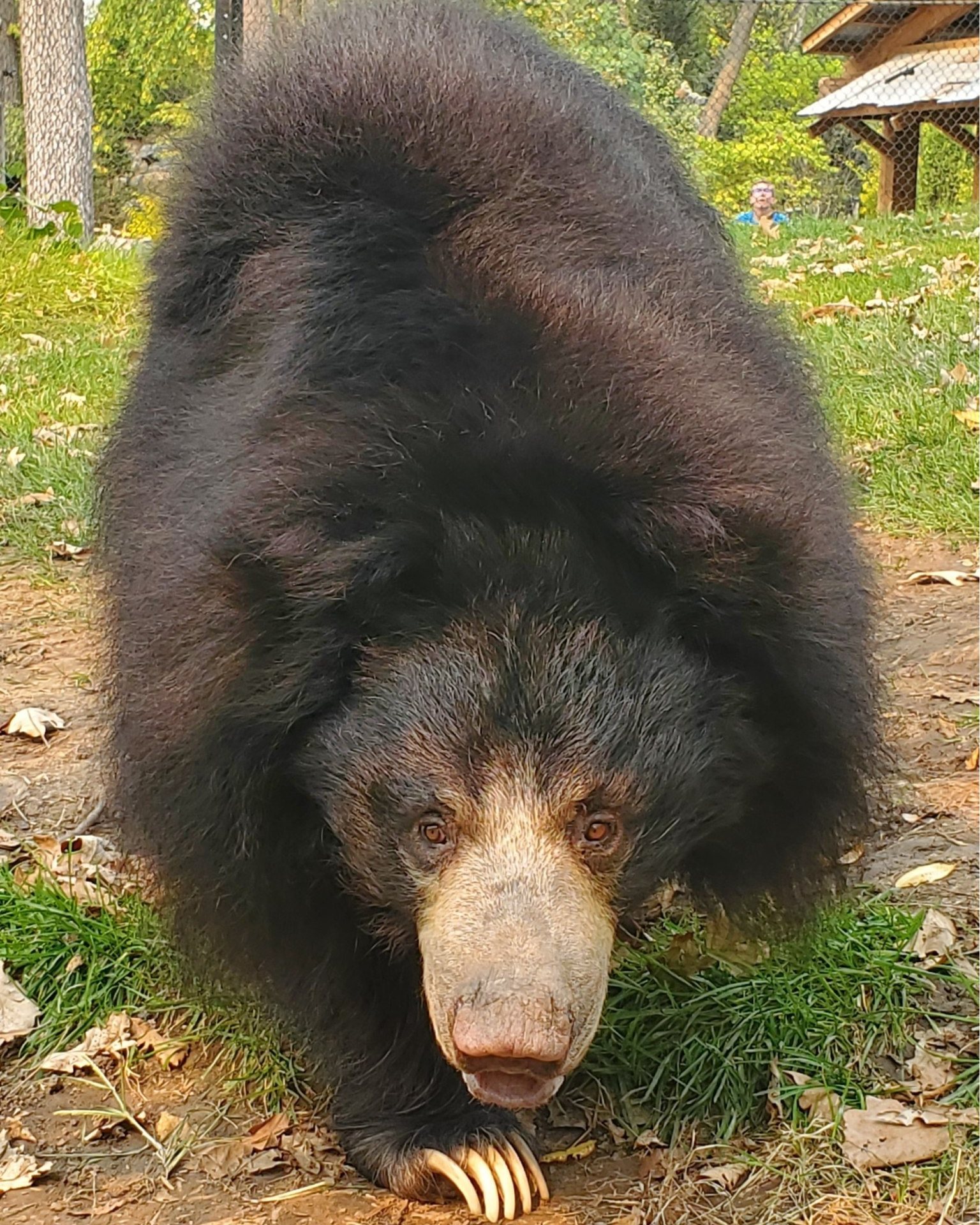
Our commitment to animal wellbeing doesn’t end with enrichment and daily care. It extends into a deeper responsibility that focuses on comfort, dignity, and compassion at every stage of life. This philosophy rings true in the care of Kara, a 23-year-old sloth bear. Diagnosed with incurable cancer, she continues to display her distinct personality, reminding us of the profound impact of compassionate animal care.
Kara’s case exemplifies the strides we make beyond routine care. Facing a serious cancer diagnosis, our animal care and health teams coordinated efforts to prioritize her quality of life. The aim isn’t just about prolonging her life but enriching each day despite the progression of her disease. This overarching commitment reveals a meticulous approach to addressing the health and emotional needs of zoo animals.
Our strategy involves performing adaptive training sessions and providing enrichment that suits Kara’s changing condition. Her dietary requirements are routinely monitored and adjusted to alleviate the strain on her sensitive stomach. Such adjustments include introducing easily digestible foods like avocado, yogurt, applesauce, and fruit smoothies, offering her the necessary nutrients while respecting her culinary preferences.
These modifications are rooted in careful observation and understanding of her behavior as an individual. Each animal holds its own set of needs and comforts, prompting a personalized approach to care. Kara’s changing requirements are met with attention to her inclination towards routine and the comforts she cherishes.
End-of-life care is an essential aspect of lifelong animal care. It forms the heart of our mission, focusing on enriching life rather than merely extending it. This approach is evident in Kara’s care, where daily actions are tailored to provide comfort and dignity. By doing so, we celebrate each day with intention, compassion, and respect, recognizing that each stage of life holds its own value.
This philosophy has broad implications for wildlife conservation and zoo management. It encourages practices that prioritize not just the survival but also the wellbeing of animals in human care. Ethical management techniques are essential in balancing the biological and psychological needs of captive wildlife.
Conservation efforts benefit from this holistic approach by fostering environments that encourage natural behaviors and support the health of individual animals. As zoos evolve into centers of conservation and education, the focus shifts towards comprehensive care that reflects the highest ethical standards.
The commitment to animal welfare, extending into every phase of life, exemplifies the best practices in zoo management. By celebrating individuality and respecting the inherent dignity of animals like Kara, we maintain a standard that aligns with both scientific understanding and compassionate ethics.
This narrative moves beyond basic animal care, offering insights that are crucial for understanding wildlife conservation and ethical management. It serves as a model for how we might approach the complex needs of animals, adjusting care as those needs evolve. This is where knowledge in zoology, zoo management, and wildlife conservation converge to create meaningful engagement with the living beings that share our world.
*****
Source Description
Our commitment to animal wellbeing doesn’t end with enrichment and daily care. It continues through every stage of life with a focus on comfort, dignity, and compassion.
Kara, 23-year-old sloth bear, continues to show her signature personality following her incurable cancer diagnosis in March. Sometimes she is sweet, sometimes sassy, and always uniquely herself. Since her diagnosis, our animal care and animal health teams have worked together with one clear goal: to prioritize Kara’s quality of life every single day, even as her cancer progresses.
That includes performing training sessions and offering enrichment suited to her varying needs, monitoring her diet, and adjusting it as necessary. One preferable adjustment was increasing supplemental favorites like avocado, yogurt, applesauce, and fruit smoothies. This helps ensure she receives the nutrition she needs in a way that is gentle on her now-sensitive stomach while enjoying some of her favorite treats.
As her needs evolve, so will her care. Kara’s team is focused on what matters most: her comfort, her preferences and her ability to remain comfortable in her own way.
End of life care is an essential part whole life care as an animal’s care changes and evolves as they do, throughout the course of their life. It reflects the heart of our mission, it is not just about extending life but enriching it. And for animals like Kara, that means celebrating each day with intention, compassion, and respect.
