
- The Eta Aquariid Meteor Shower: History and Origin
- Observing the Eta Aquariid Meteor Shower
- The Science Behind Meteor Showers and Fireballs
- Halley’s Comet and Its Connection to the Eta Aquariids
- Wildlife and Environmental Implications of Meteor Showers
The Eta Aquariid Meteor Shower: History and Origin
The Eta Aquariid meteor shower is a celestial event with deep historical roots connected to one of the most famous comets, Halley’s Comet. This meteor shower is named after the constellation Aquarius, where the meteors appear to originate. Specifically, it points to the star Eta Aquarii. The shower has been observed for many centuries, with records dating back to ancient civilizations. Every year, it lights up the night sky when Earth passes through the debris left by Halley’s Comet.
Halley’s Comet, which orbits the sun approximately every 76 years, is the source of this annual spectacle. As the comet travels through space, it leaves a trail of icy particles and dust. When Earth intersects this trail, these particles enter our planet’s atmosphere at high speeds, creating the bright streaks of light that we recognize as meteors. The origins of this phenomenon highlight the dynamic interactions within our solar system.
Observing the Eta Aquariid Meteor Shower
Observers keen on experiencing the Eta Aquariid meteor shower will find the best viewing conditions before dawn on May 4. The Southern Hemisphere is particularly favored, as the radiant point, Eta Aquarii, climbs higher in the sky. However, northern observers can still enjoy the display despite the reduced number of visible meteors.
To maximize viewing enjoyment, find a location far from city lights. The darker the sky, the more visible the meteors. Lying flat on your back and gazing up at the sky allows for a wide-angle view, enhancing the chance of spotting one of these celestial visitors. Patience is key, as meteors can appear sporadically. This natural wonder is a prime opportunity to connect with the universe, appreciating the fiery spectacle against the silent backdrop of the night sky.
The Science Behind Meteor Showers and Fireballs
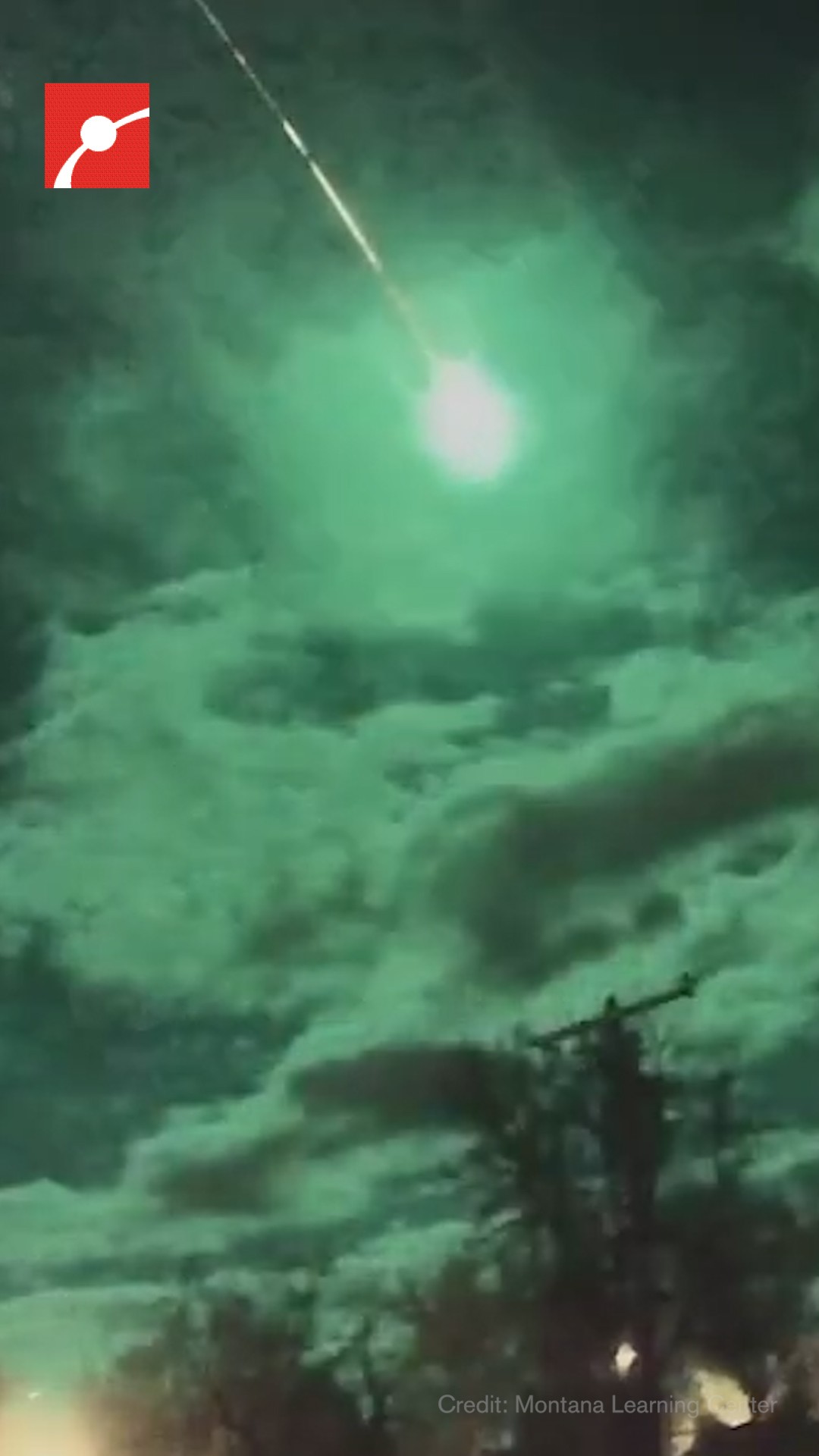
Meteors, often called shooting stars, are tiny fragments of rock and ice. When they enter Earth’s atmosphere, they burn up due to friction with the air, creating bright trails known as meteors. If a fragment is particularly large, the resulting fireball can be exceptionally brilliant, often lasting several seconds. These bright trails, characteristic of the Eta Aquariids, are a result of high entry speeds, around 148,000 miles per hour.
The study of meteor showers allows scientists to learn about the composition of comets and the early solar system. Each fragment’s origin, size, and speed can provide clues about the comet it originated from. In the case of the Eta Aquariids, the particles from Halley’s Comet offer insight into a comet that has been visible to the naked eye for centuries. This meteorological phenomenon provides not only a spectacle but a pathway to understanding cosmic processes.
Halley’s Comet and Its Connection to the Eta Aquariids
Halley’s Comet is intimately tied to the Eta Aquariid meteor shower. This periodic comet was last visible from Earth in 1986 and is projected to return in 2061. The comet’s path intersects with Earth’s orbit twice a year, resulting in the Eta Aquariids in May and the Orionids in October.
Understanding Halley’s Comet is key to grasping the dynamics of these meteor showers. As it travels through the solar system, the comet sheds material due to solar heating. These fragments, consisting of ice, dust, and rocky material, form trails that linger long after the comet has passed. The intersection of these trails with Earth’s orbit catalyzes annual meteor showers, creating a recurring natural display.
Wildlife and Environmental Implications of Meteor Showers
While meteor showers like the Eta Aquariids are primarily astronomical events, they also have broader implications for wildlife and environmental conservation. Nighttime spectacles can impact nocturnal wildlife, with the sudden brightness potentially confusing species that rely on natural light cues.
In addition, the particles that burn up in the atmosphere do not pose a threat to environmental safety; however, such events inspire discussions around celestial pollution and human activities in space. Understanding and respecting these natural phenomena encourage a broader commitment to conservation efforts, emphasizing the importance of preserving both terrestrial and cosmic environments for future generations.
Meteor showers remind us of our place in the cosmos, the interconnectivity of natural systems, and the importance of stewarding our own planet while appreciating the wonders of the broader universe. Celestial events like the Eta Aquariid meteor shower are an apt reminder of the awe-inspiring dynamics of our solar system, which continue to captivate and educate those who behold them.
*****
Source Description
50 meteors per hour are about to light up the sky! ☄️
The Eta Aquariid meteor shower peaks before sunrise on May 4, bringing dazzling fireballs from Halley’s Comet. These fragments are known for their long, glowing trails that can last several seconds!
