
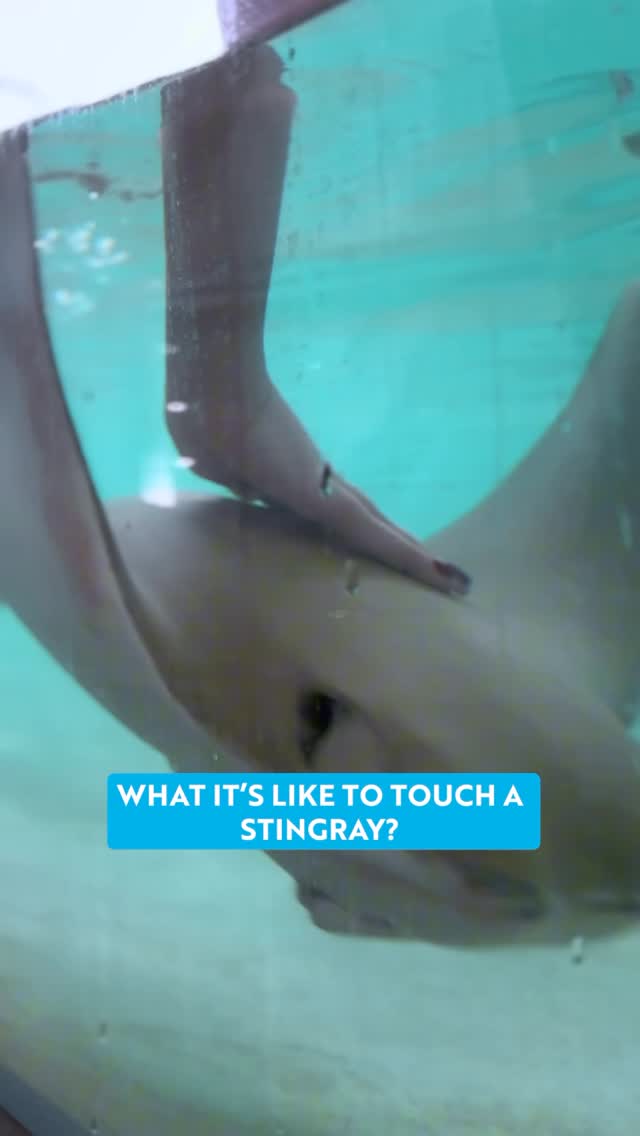
- Introduction to Stingray Touch experiences and their educational value.
- Physical characteristics and texture of stingrays, particularly cownose rays.
- Safety and conservation measures practiced in interactive marine exhibits.
- The significance of sensory learning in wildlife conservation awareness.
- The role of aquariums and zoos in promoting ocean conservation and sustainability.
The Stingray Touch experience is an engaging educational opportunity that allows people to interact directly with cownose rays. These interactive exhibits are designed to be both enlightening and enjoyable, offering visitors a tactile connection to marine life. Such encounters provide a deeper understanding of animals often seen as mysterious.
Cownose rays, like other members of the ray family, have unique skin textures that contrast with typical expectations. Their skin is smooth and soft, with a velvety texture that can surprise first-time touchers. Unlike many aquatic creatures, they do not feel slimy. This adaptation comes from their specialized dermal denticles, which are tiny, tooth-like structures covering their skin. These contribute to their hydrodynamic efficiency, enabling smooth, graceful movements through water.
For many, touching a stingray for the first time can dispel myths about these fascinating creatures. There’s a common perception that rays are dangerous due to their barbed tails. However, cownose rays housed in these exhibits have their barbs clipped, a painless process akin to trimming fingernails. This ensures visitor safety while allowing them to appreciate the beauty and grace of these creatures without fear.
Interactive stingray exhibits are crafted with conservation in mind. Experienced professionals manage them to minimize stress on the animals. These aquariums are carefully monitored environments, designed to replicate the natural conditions and support the well-being of the rays. Regular veterinary checks and enriching environments are vital to maintaining healthy, stress-free animals.
Participating in such experiences cultivates an appreciation of marine life that extends beyond the exhibit. When individuals are able to feel the soft, smooth skin of a stingray firsthand, it creates a lasting impression. This sensory engagement fosters a deeper emotional connection to the ocean and its inhabitants, promoting a desire to protect them. It turns curiosity into commitment, mobilizing people toward ocean conservation.
Aquariums and zoos play a significant role in raising awareness about aquatic and terrestrial conservation issues. Through interactive experiences like the Stingray Touch, they not only educate but inspire. These institutions are at the forefront of conservation efforts, participating in breeding programs, habitat restoration projects, and public education initiatives that highlight the importance of biodiversity and the need to protect ecosystems.
This combination of education and engagement is key to developing a conservation-minded public. While observing marine life provides visual knowledge, the tactile interaction deepens understanding. Visitors of all ages can learn about marine ecosystems, species habits, and the importance of environmental balance through these personal connections.
The Stingray Touch experience is just one example of how interactive exhibits can foster a greater appreciation for wildlife. These initiatives support global efforts to sustain our oceans, emphasizing the need for environmental stewardship. By integrating these experiences into aquarium visits, we can nurture a generation ready to advocate for and achieve tangible conservation goals.
In conclusion, the Stingray Touch is more than an attraction; it’s a gateway to understanding and protecting our world’s marine ecosystems. Through touch, we open up new pathways of learning and inspire lasting dedication to the environment.
*****
Source Description
Ever touched a stingray? 🖐️
It’s not slimy. It’s not scary. And the texture of these animals might surprise you!
At Stingray Touch, you’ll get up close with gliding cownose rays in an outdoor hands-on habitat, included with your admission.
So what do they feel like? You’ll have to come feel for yourself!
🖐️ Included with admission
🐟 Open daily this summer
