
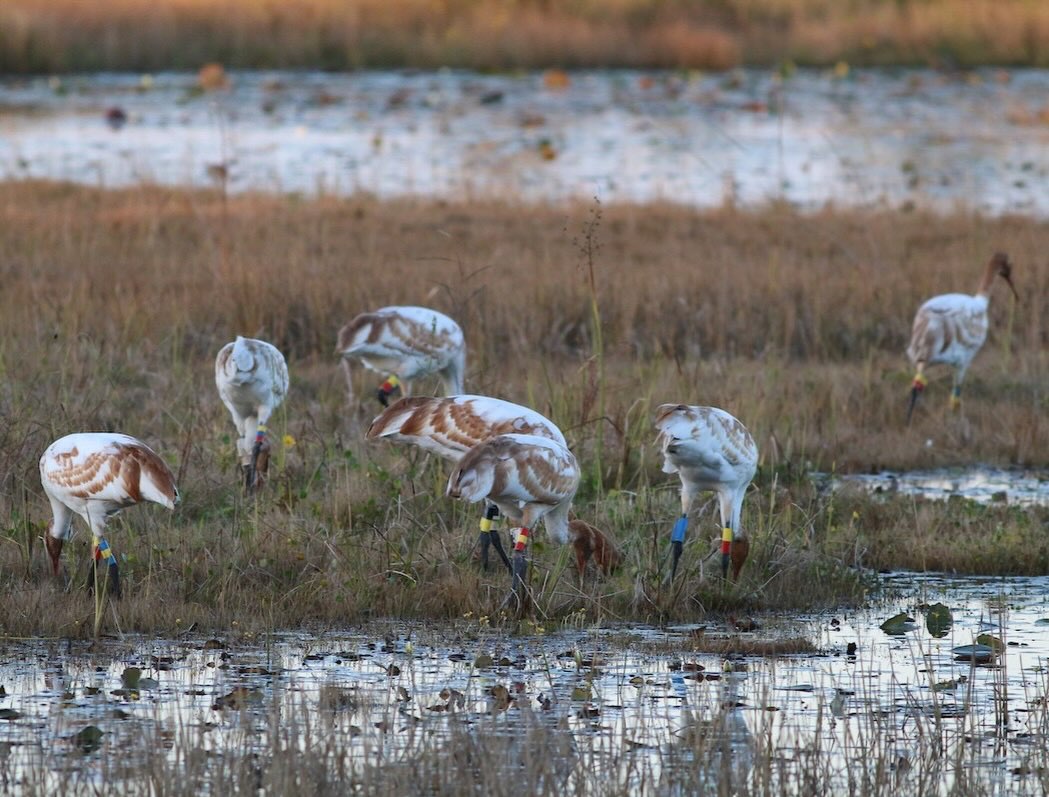
- The significance of whooping cranes and their conservation status
- Overview of the Audubon Species Survival Center and its efforts
- Detailed information on the recent release of seven juvenile whooping cranes
- The collaborative roles of various organizations in conservation efforts
- Future outlook for the whooping crane population in Louisiana
The whooping crane (Grus americana), North America’s tallest bird, stands at a height of about 5 feet, with a wingspan that can reach over 7 feet. This crane species is known for its striking white feathers and long legs. The whooping crane is an iconic symbol of wildlife conservation efforts, as it has been on the verge of extinction since the early 20th century. Habitat loss, hunting, and disturbances have contributed to its dramatic decline, with only an estimated 15 birds remaining in the 1940s. Today, thanks to various conservation initiatives, their numbers have gradually increased, but they still remain endangered.
The recent addition of seven juvenile whooping cranes to the White Lake Wetlands Conservation Area signifies an exciting development in the ongoing efforts to bolster their population. The release of these young cranes marks a pivotal moment for the Louisiana population, which has now grown to approximately 83 cranes. This increase is a testament to the effective conservation strategies employed by numerous organizations committed to protecting this remarkable species.
The Audubon Species Survival Center has taken a leading role in the conservation of whooping cranes. Located in New Orleans, Louisiana, this facility plays a crucial part in breeding and rearing endangered species, with particular emphasis on the whooping crane. The center focuses on both in-situ and ex-situ conservation, employing a multifaceted approach that includes habitat management, breeding programs, and public education. Their breeding program aims to produce juvenile cranes that can eventually be reintroduced into suitable habitats, thus reinforcing the wild population.
On November 12, the Audubon Species Survival Center successfully released seven juvenile whooping cranes into the wild. The release is part of an ongoing program to rehabilitate and restore the whooping crane population in Louisiana. The process involved careful planning and assessment of the wetland habitat to ensure that these cranes would find the resources they need for survival. The cranes were raised in a controlled environment, mimicking wild conditions as closely as possible. This strategy helps promote their natural behaviors, such as foraging and survival skills.
The collaboration between various stakeholders has been essential in this conservation effort. Organizations like the U.S. Fish and Wildlife Service (USFWS), the Louisiana Department of Wildlife and Fisheries (WLF), and Chevron have played crucial roles in funding and supporting conservation activities. This cooperative effort brings together financial resources, expertise, and manpower, making significant advancements in protecting the whooping crane population. These partnerships exemplify how cross-agency collaboration can lead to substantial advancements in conservation goals.
In the face of environmental challenges, it is imperative to have a well-structured conservation strategy. The recent addition of seven cranes to the Louisiana population reflects long-term planning. This systematic approach includes regular monitoring of the crane population, habitat restoration projects, and public awareness campaigns. Engaging local communities helps foster an appreciation for wildlife and encourages participation in conservation actions.
The success of these initiatives is not just a momentary achievement; they point toward a hopeful future for the whooping crane in Louisiana. Sustained efforts for habitat preservation and species recovery are critical to maintaining population growth. Continued recruitment of young cranes into the wild is essential for ensuring genetic diversity, which is vital for the resilience of this endangered species.
Education and outreach are also important components of the conservation strategy. Programs designed to raise awareness about the whooping cranes and their plight engage the public in conservation activities. Field trips, educational seminars, and volunteer opportunities enhance community involvement and understanding of wildlife conservation. Increasing public awareness can garner support for ongoing efforts and protect the wetlands crucial for the cranes’ survival.
Research continues to be an integral part of understanding the species’ needs. Studies focused on their nesting habits, migration patterns, and habitat requirements allow for informed decision-making in conservation planning. Equipped with data from ongoing research, those involved in conservation can adapt strategies that specifically cater to the whooping cranes’ needs in different seasons and environments.
Despite the progress made in the protection of whooping cranes, challenges still persist. Climate change poses a significant risk to wetland habitats, leading to alterations in food availability, breeding grounds, and nesting sites. Elevated water levels and changes in vegetation due to climate fluctuations could impact crane populations in ways that we are still working to understand.
The Audubon Species Survival Center, along with its partners, remains vigilant in responding to these challenges. Ongoing assessments of whooping crane habitats will determine the necessary adjustments in conservation strategies to mitigate negative impacts. Precision in habitat management is vital to safeguard the future of this species, ensuring they have a stable environment in which to thrive.
Progress in whooping crane conservation not only benefits the species itself but also contributes to the overall health of the ecosystems in which they reside. The presence of whooping cranes serves as an indicator species; healthy crane populations signal robust wetland ecosystems. The revitalization of crane habitats can bring about positive changes for other species, enhancing biodiversity within the region.
The collective efforts to restore the whooping crane population reflect a broader commitment to wildlife conservation and environmental stewardship. By focusing on a single species, like the whooping crane, organizations can drive significant progress in understanding and protecting complex ecosystems. The coordination of scientific knowledge, community engagement, and dedicated resources has the potential to create a legacy of conservation success.
In the coming years, it will be essential to continue momentum in whooping crane recovery efforts. Tracking the newly released cranes will provide valuable insights into their adaptation and survival. Louisiana’s wetland ecosystems need ongoing support to ensure they remain viable habitats for these birds. As organizations remain committed and communities engage, the foundation for a sustainable future for the whooping crane will strengthen.
Beyond just the whooping crane, the strategies and lessons learned from this conservation project have wider applications. They can inform best practices for other endangered species management, improving conservation methodologies across various landscapes. The collaborative and research-driven approach taken in this effort serves as a model for future initiatives, fostering hope for diverse species facing the threat of extinction.
The success of the whooping crane initiative illustrates the importance of perseverance in conservation efforts. Each juvenile crane plays a role in the larger narrative of protecting endangered species. As the population grows in Louisiana, there is renewed hope for the survival of the whooping crane and the preservation of the ecosystems they inhabit.
In summary, the recent addition of seven juvenile whooping cranes into the White Lake Wetlands marks an important milestone in the crusade against extinction. This achievement reflects the commitment of organizations and individuals who work tirelessly to protect this magnificent bird. The ongoing collaboration among various stakeholders fosters an environment conducive to conservation and sustainable practices, ensuring that whooping cranes can flourish for generations to come.
*****
Source Description
Egg-citing conservation news! Audubon Species Survival Center, @wlfla, and @lawhoopingcranes, added seven juvenile whooping cranes Wednesday, November 12 to White Lake Wetlands Conservation Area as part of an ongoing effort to protect this endangered species from extinction. With the release of the new arrivals into the wild, the Louisiana population will roughly be about 83 cranes!
With the support of @usfws, @wlfla, @Chevron, and other generous supporters, we’re committed to the long-term growth and stability of the whooping crane population to save the species from extinction.
