
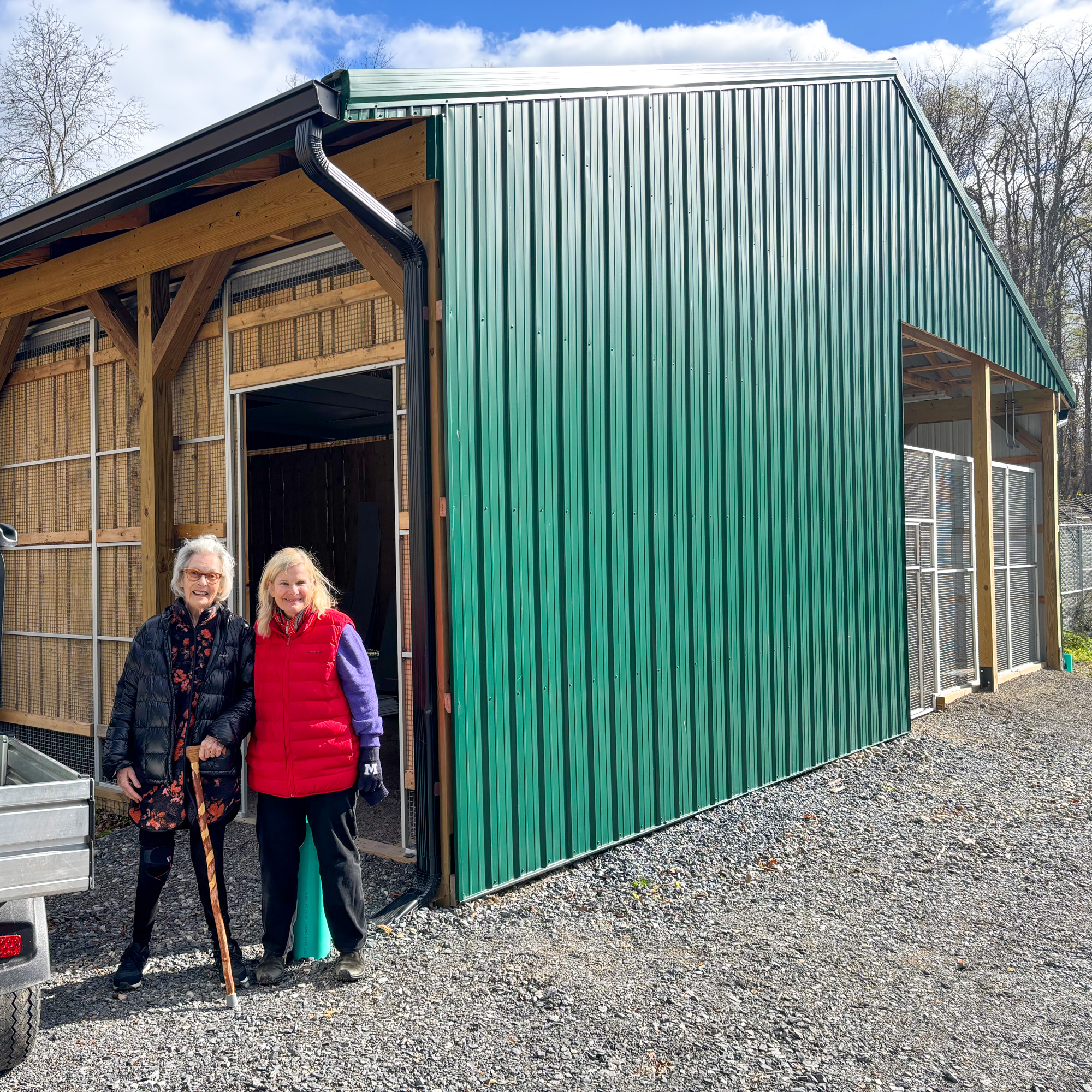
- Exciting changes at Trevor-Lovejoy Zoo with the new holding barn.
- Enhanced features promoting animal safety and care.
- Collaboration among experts for improved facility design and functionality.
- Commitment to wildlife rehabilitation and conservation efforts.
- Future plans for zoo expansion and upgrades.
Exciting changes are underway at the Trevor-Lovejoy Zoo, prominently marked by the introduction of a new holding barn. This project marks the culmination of a master plan aimed at upgrading and expanding the facilities of the zoo. With winter construction on the new building already in progress, the primary purpose of this facility will be to temporarily accommodate current residents during enclosure repairs or rebuilds, provide quarantine space for incoming animals, and serve as a rehabilitation center for injured local wildlife.
The decision to build this barn stemmed from a recent inspection by the Association of Zoos & Aquariums (AZA). Importantly, this project extends beyond mere compliance with accreditation requirements. Zoo Director Dr. Alan Tousignant has emphasized the thoughtful enhancements being made: “The new barn is four times the size of the previous facility, with twice as many holding spaces and major improvements throughout.” Such upgrades are crucial for modern zoos striving to provide optimal care for their animals.
In terms of state-of-the-art features, the new holding barn boasts significant improvements. For example, it includes LED lighting to simulate natural conditions, an advanced water system for habitat maintenance, and proper electrical installations for heating elements. These improvements reflect the zoo’s commitment to creating environments where animals can thrive physically and psychologically.
This project is a collaborative effort, drawing on both internal expertise and external resources. Caging specialists were consulted to ensure that enclosures are designed to meet the diverse needs of the animal species housed within them. Local construction teams contributed their building skills, while the zoo’s own employees engaged in essential tasks such as electrical wiring, plumbing, and intricate interior paneling work. This teamwork illustrates how a modern zoo operates, integrating various professional skills to enhance animal welfare.
The finished barn will incorporate two large aviaries, one of which is adaptable for larger species, and six smaller areas designated for small to medium animals. Some of these spaces will include pools suitable for otters and various waterfowl. Special attention was paid to the needs of the animals in both design and functionality. For instance, metal mesh has been installed a foot below the floor to prevent any attempts at escape from burrowing animals. Additionally, the incorporation of vertically sliding doors operated by pulleys allows for enhanced safety when transitioning animals between different areas of the barn.
Even the finer details in the facility’s construction reflect a commitment to animal welfare. Specialized metal crimps secure the mesh, preventing wear and tear that could lead to hazardous conditions. Wooden paneling has been specifically selected to create a gentle barrier for birds of prey, ensuring that their wings do not suffer any damage. This focus on both small and large elements of the design showcases the dedication of the Trevor-Lovejoy Zoo to animal safety and comfort.
Beyond the immediate needs of the animals, the new holding barn establishes an important groundwork for future growth. Wildlife rehabilitation is a critical aspect of modern zoos, and the Trevor-Lovejoy Zoo aims to provide necessary care for injured local animals alongside their exhibit species. This dual focus on native wildlife skills and exotic species care is vital for fostering a broader understanding of conservation issues, and it earns the zoo a vital place in the community.
The strategic planning surrounding this expansion is impressive. The holding barn’s operational flexibility allows staff to manage the animals effectively, especially during transitions. Being able to respond to emergencies or unexpected injuries will bolster the zoo’s ability to provide timely and responsive care for its inhabitants. This adaptability signifies a shift in how modern zoos view their responsibilities to the animals in their care.
While this exciting new development marks a significant step for the Trevor-Lovejoy Zoo, it aligns with a broader trend in the zoological community. Many zoos are faced with increasing demands for better animal welfare and educational opportunities. The introduction of more complex, engaging environments for animals not only enhances their quality of life but also enriches the visitor experience. Each element, from the spacious holding areas to the improved amenities, acts as a teaching tool for visitors and highlights the importance of conservation in today’s society.
The implications of these upgrades extend beyond the confines of the holding barn. They signal a shift in the culture of zoos. With animals now being seen as individual beings deserving of high-quality care, there is a heightened awareness of the need to offer enriched environments that meet varied species needs. The importance of animal welfare is no longer an afterthought; it is central to operational strategies and public engagement initiatives.
Plans for a future expansion of the zoo reflect a growing acknowledgment of the important role that zoos play in conservation. With a renewed emphasis on education and public engagement, the Trevor-Lovejoy Zoo aims to elevate its status as a leader in wildlife conservation. By bringing in new species and improving existing habitats, the zoo positions itself not only as a place for entertainment but as a vital resource for understanding environmental stewardship.
Educational outreach forms a crucial part of the zoo’s mission. As institutions continue to evolve, the focus on informed visitors becomes increasingly important. The new holding barn, along with other planned upgrades, provides opportunities for educational programs that seek to engage audiences about wildlife conservation and biodiversity challenges. Engaging narratives about specific animal species can create lasting impressions that inspire action.
Staff training complements these upgrades. Knowledgeable staff members are essential for maximizing the benefits of improved facilities. Training programs will help employees adapt to the newly designed spaces, ensuring they can implement best practices in animal care and welfare. This investment in human resources is key to translating architectural advancements into day-to-day animal management.
As the Trevor-Lovejoy Zoo looks to the future, it does so with a renewed sense of purpose. The holding barn is just the beginning, and it will serve as the foundation for a series of improvements aimed at providing unparalleled care for the animals. Through thoughtful design, expert collaboration, and a commitment to rehabilitation and conservation education, the zoo is set to expand its role as a pivotal player in wildlife preservation.
The developments at Trevor-Lovejoy Zoo highlight the dedication of many individuals working tirelessly to foster a greater understanding of wildlife and conservation. This infrastructure growth not only improves the environment for the animals but also serves to educate and inspire the public. Visitors will leave with a deeper understanding of the challenges facing wildlife today and what can be done to protect the natural world.
With the construction of the new holding barn, the Trevor-Lovejoy Zoo is paving the way for continued excellence in animal care, all while serving as a model of responsible zoological practice. As exciting changes unfold, they reinforce a shared mission to educate, inspire, and promote wildlife conservation efforts that will benefit both people and animals far into the future.
*****
Source Description
Exciting changes are underway at the Trevor-Lovejoy Zoo, beginning with a new holding barn—the first piece of a master plan to upgrade and expand the zoo. The facility will temporarily house current residents during enclosure repairs or rebuilds, serve as a quarantine space for new arrivals, and provide a place to rehabilitate injured local animals.
Construction began in response to an Association of Zoos & Aquariums (AZA) inspection, but the project goes far beyond accreditation requirements. According to Zoo Director Dr. Alan Tousignant, the new barn is four times the size of the previous facility, with twice as many holding spaces and major improvements throughout. “We’re trying to make this one as state-of-the-art as possible in terms of animal safety, space options, and flexibility to move animals,” he said. “Soup to nuts, everything is better than the previous one. It’s got great LED lighting, a much-improved water system, and proper electricity for heat lamps.”
A collaborative effort, the holding barn has been erected using internal and external expertise, including caging specialists, a local pole barn construction team, and our own zoo staff, who completed electrical wiring, plumbing, and interior paneling details. The finished space will include two large aviaries—one adaptable for larger animals—and six smaller areas for small-to-medium species, two with pools for otters and waterfowl.
Every element reflects attention to both human and animal needs. Metal mesh extends a foot below the floor to prevent burrowing escapes, and vertically sliding, pulley-operated doors allow staff to shift animals safely between spaces. Even the small details—like the metal crimps securing the mesh or the smooth wooden paneling that protects birds of prey from damaging their wings—demonstrate the zoo’s focus on safety and functionality.
….continued in comments
