
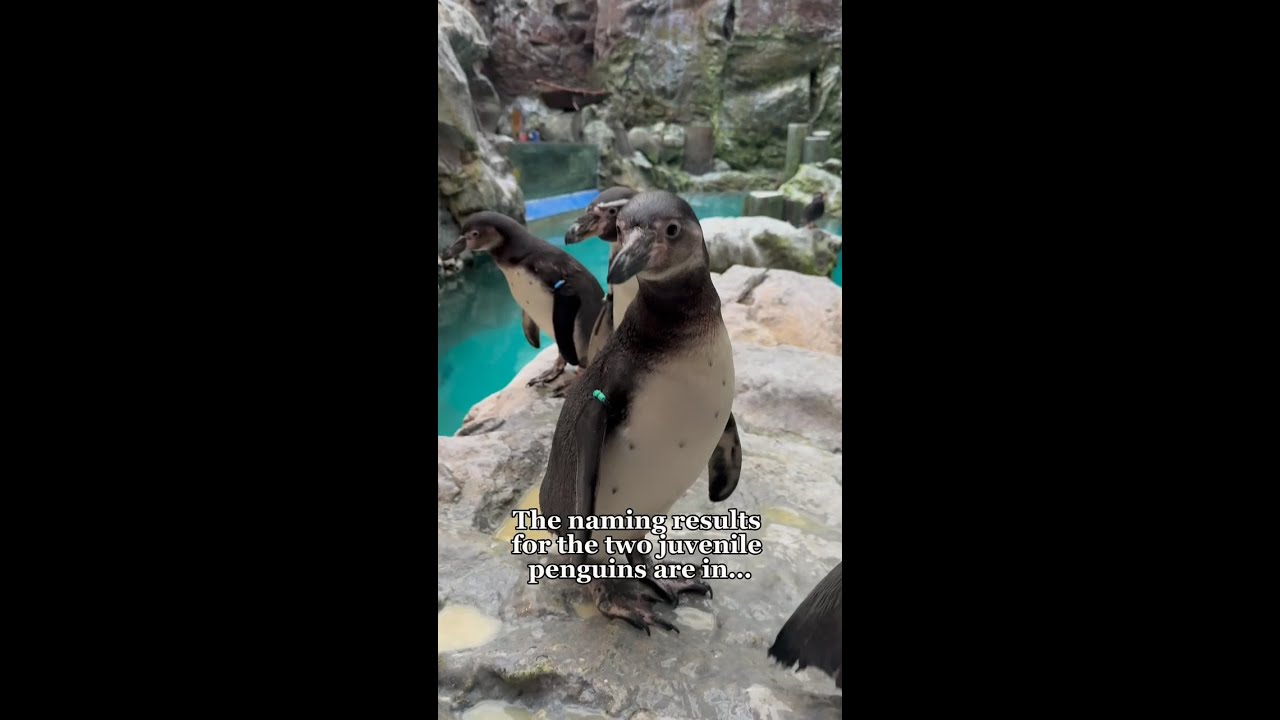
- An overview of the name reveal event for the penguin
- The significance of naming animals in zoos
- Insights from zoology on penguin species and behaviors
- The role of zoos in wildlife conservation
- How penguins symbolize broader environmental efforts
The excitement surrounding the name reveal event of a penguin exemplifies the intersection of public engagement and wildlife education. Zoos often stage these events to draw attention to the animals under their care and to create a bond between them and the visitors. The name given to an animal can carry profound meaning, often reflecting the species’ traits, habitat, or cultural significance.
Naming animals serves several purposes. Primarily, it personalizes them, making visitors more likely to develop connections. Names can also educate the public about the animal’s characteristics or its ecological role. For instance, the name of a penguin might evoke images of its habitat in Antarctica or its social nature. Such initiatives enhance guest experience, encouraging them to take a keen interest in the species.
Penguins, particularly, represent a fascinating subject of study within zoology. They belong to the family Spheniscidae and are characterized by their upright posture, aquatic adaptations, and excellent swimming abilities. Currently, there are 18 recognized species of penguins, each with unique adaptations that help them survive in extreme conditions. The Emperor penguin, for example, is notable for its size, standing up to four feet tall and weighing up to 90 pounds. Its breeding behavior is also remarkable, as males incubate eggs for about two months in freezing temperatures.
Understanding penguin behavior yields insights into their social structure. Penguins are social animals, often living in colonies that can consist of thousands of individuals. They communicate through vocalizations and body language, vital for maintaining social bonds and coordinating group activities. Learning about these behaviors can enhance visitors’ appreciation during a name reveal event, as the chosen name may reflect key traits or behaviors of the specific species.
Zoos and aquariums play a crucial role in wildlife conservation efforts. Many species of penguins are endangered, with habitats threatened by climate change, overfishing, and pollution. By hosting name reveals and educational events, zoos not only raise awareness but also funding for conservation programs. These institutions often collaborate with global conservation initiatives aiming to protect penguins in their natural habitats, contributing to breeding programs and rehabilitation efforts.
Additionally, penguins serve as indicators of ecosystem health. Changes in their population sizes can suggest shifts in marine conditions, making them barometers for environmental changes. The plight of penguins highlights the broader issues of habitat preservation and climate action. Educating the public about these topics during a name reveal event can inspire individuals to become advocates for wildlife conservation.
The excitement of a penguin’s name reveal is not just about the name itself. It embodies a larger narrative about conservation, community engagement, and scientific understanding. The penguin becomes more than just an animal in a zoo; it represents a species requiring attention and action. By participating in such events, visitors can feel a sense of connection and responsibility towards wildlife protection.
The name reveal can engage entire communities, presenting a meaningful opportunity to foster relationships among individuals who care about environmental issues. Through interactive programming and educational content, zoos can effectively communicate the complexities of wildlife conservation. By addressing visitors directly, bringing experts into the conversation, and sharing personal stories involving the penguins, they build connections that extend beyond the zoo.
Moreover, the event can spotlight specific conservation organizations. By partnering with groups committed to penguin preservation, zoos can channel resources and awareness effectively. Guests might leave the event inspired to contribute to such causes, whether through donations, volunteering, or simply spreading the word.
As much fun as name reveals can be, they also serve as essential teaching moments. They can present facts about penguin biology and ecology in an engaging way, capturing the audience’s interest. From discussing how penguins adapt to cold environments to their dietary needs and breeding patterns, guests receive a wealth of information. This education helps foster respect for wildlife and appreciation of natural history.
The importance of naming penguins transcends simple nomenclature. It encourages ongoing discussion about environmental awareness and wildlife stewardship. When people leave a name reveal with newly acquired knowledge, they are likely to regard the penguin as more than just an animal—they see it as a vital part of our shared ecosystem.
The role of zoos is evolving. They serve as centers for education and research, increasingly focused on community engagement and conservation efforts. Programs designed for species like penguins can attract visitors of all ages. Engaging with animals in a meaningful manner encourages more than just visitation; it inspires stewardship among future generations.
As public interest grows, conservation messages can be more effectively communicated. Events like a name reveal create opportunities for storytelling, allowing connections to be made between individual animals and their species-wide challenges. Educational signs, interactive exhibits, and educational staff can facilitate this knowledge transfer.
Participation in such events has long-term implications for wildlife conservation. By fostering a sense of responsibility among the public, zoos can help shape environmental advocates. Individuals are more likely to support conservation initiatives if they feel a connection to the animals they encounter. The penguin’s story can motivate visitors to engage with environmental issues, ultimately leading to a greater willingness to protect these species in the wild.
The penguin name reveal is an occasion that encompasses biology, community engagement, and conservation. It serves as a reminder of the role every individual plays in the larger ecosystem regarding our planet’s health. By taking part in this event, both young and old can come away with a deeper understanding of the challenges facing wildlife today.
Penguins also symbolize resilience in the face of global change. As marine ecosystems undergo rapid transformation, highlighting these animals can elicit discussions about climate change, sustainability, and biodiversity. When a name is chosen for a penguin, it can serve as a focal point for discussing pathways toward conservation.
Research shows that even small actions can aggregate to make significant impacts on conservation efforts. Each name reveal can play a part in nurturing a culture of respect for wildlife. Visitors who experience the joy of naming a penguin may be moved to make more environmentally conscious decisions at home, such as reducing plastic usage or participating in local conservation projects.
The excitement surrounding a penguin name reveal captures the essence of community involvement in wildlife conservation. It allows zoos to bridge entertainment and education, all while fostering a deeper appreciation for ecological systems. Through scientific understanding, public engagement, and focused conservation efforts, zoos can significantly impact preserving not just penguins but also the ecosystems they inhabit.
This important approach underscores the relationship between education and conservation. Any animal naming event is about more than the name; it is about connection. When people invest emotionally in these animals, they become better advocates for their preservation. It highlights how an individual penguin’s name can resonate in broader discussions about our environmental responsibility.
Thus, a name reveal event engages participants in meaningful discourse that transcends the specific event and addresses larger themes of conservation and environmental awareness. As every penguin carries a story, so too does its name carry the potential to inspire collective action toward preserving vital ecosystems.
*****
Source Description
Guest votes are in, and the two juvenile Humboldt penguins are officially named Skipper and Rico! Thanks to everyone who helped choose their names — come see them waddle, swim, and steal hearts at The Living Coast on your next visit!
