
- The significance of introducing new species to zoos
- The role of educational programs in wildlife conservation
- How new animals enhance visitor engagement
- Best practices for animal care and habitat construction
- Understanding the impact of wildlife conservation on local ecosystems
Introducing new species to zoos is more than just a marketing strategy; it serves multiple ecological and educational purposes. Zoos play a critical role in conservation efforts by housing endangered species and facilitating breeding programs. When a new species arrives at a zoo, it offers an opportunity to raise awareness about biodiversity and the threats many animals face in their natural habitats. This introduction can serve as a catalyst for discussions on conservation efforts and habitat preservation, making it an essential aspect of modern zoo management.
Educational programs offered at zoos provide vital information to visitors about the species they are observing. These programs are designed not just to offer insights, but to engage the audience in the importance of wildlife conservation. With many species facing threats due to habitat loss, climate change, and poaching, educating the public becomes a cornerstone of conservation. For instance, when a zoo announces a new arrival, associated educational initiatives can include workshops, interactive exhibits, and informational talks with zookeepers. These experiences can demystify the life of the animal and help visitors form a personal connection with wildlife.
One of the interesting facets of a new species being introduced is the impact on visitor engagement. A fresh addition to the zoo can rejuvenate interest among patrons. This can drive increased foot traffic, leading to higher ticket sales and, subsequently, more funds for conservation initiatives. When visitors are excited about the arrival of a particular species, they tend to share their experiences on social media, further amplifying awareness. Engaging exhibits—including those that allow for immersive experiences—can boost interaction levels, encouraging visitors to think deeply about conservation issues and the survival of species in the wild.
Proper animal care and habitat construction are pivotal for the success of new species integration into zoos. Before introducing a new animal, meticulous planning is crucial. Factors such as habitat design, social structures, and dietary needs must be accounted for. A zoo must mimic the animal’s natural environment as closely as possible. Such efforts enhance animal well-being and make it easier for visitors to observe natural behaviors. Staff training is equally important, ensuring zookeepers are equipped to meet the specific needs of the new arrival. Collaboration with wildlife experts can further strengthen these efforts, guaranteeing a sustainable and safe environment for the animals.
The impact of wildlife conservation extends beyond the animals themselves; it significantly influences local ecosystems. The introduction of new species can create a ripple effect in the environment. For example, species that act as pollinators or seed dispersers play vital roles in maintaining the health of ecosystems. Zoos often participate in broader conservation strategies aimed at habitat restoration and community involvement to address ecological imbalances. By connecting new species introductions to local environmental initiatives, zoos can foster a greater sense of responsibility toward wildlife within communities.
…
The significance of introducing new species to zoos cannot be overstated. Zoos serve as mini-ecosystems that provide sanctuary for various species, particularly those threatened or endangered in their natural environments. By creating an opportunity for the public to connect with these animals, zoos effectively work to create advocates for conservation.
Conversely, the arrival of a new species often requires a well-structured plan to ensure animal welfare and operational success. Starting with habitat suitability assessments, zoo management collaborates with veterinary teams to gauge the health and environmental requirements of the animal. Factors such as temperature, humidity, and even the physical layout of habitats become focal points during this planning phase. Consequently, the zoo may need to invest in new structures or adapt existing enclosures before the animals arrive.
Educational programs become even more vital with the introduction of new species. A well-rounded educational strategy can include features ranging from informational signage to augmented reality experiences that showcase the ethical considerations behind conservation efforts. Thoughtfully curated content serves to inform visitors about the species’ natural history, ecological role, and conservation status. The aim is not just to teach but to inspire action and advocacy.
Community engagement plays an important role as well. Strong community links can enhance the functionality of zoo-based conservation programs. Local partnerships with schools and environmental organizations create both awareness and tangible conservation efforts within local ecosystems. Such interactions encourage community members to take part in protective actions, whether that involves habitat clean-ups or citizen science initiatives, strengthening the communal bond toward wildlife preservation.
When examining the visitor engagement factor, the introduction of a new species often brings a revitalizing influence to a zoo’s attendance and visibility. Curiosity surrounding the new arrival can drive visitors through the gates and encourage them to explore less popular exhibits as well. Fresh marketing campaigns will often accompany an introduction, highlighting the novelty of the experience to draw in larger crowds.
What’s more, positive visitor experiences can lead to heightened social media interaction—a crucial aspect of modern marketing. Increased visibility across platforms such as Instagram and Twitter can amplify awareness of the species’ conservation status, reaching audiences far beyond the zoo gates. Individuals often share their personal experiences, which can lead to discussions about wildlife conservation efforts and challenges, thus fostering a community of passionate wildlife advocates.
In terms of animal care and habitat design, the introduction of a species facilitates an ongoing journey of learning for zoo staff. Training must be ongoing to keep up-to-date with the observations and research on the new arrival. Regular staff meetings can serve as platforms for sharing insights, challenges, and successes regarding animal care practices. Such initiatives bolster the zookeepers’ expertise, allowing them to provide the best daily management possible.
Aspects such as enrichment programs further enhance the quality of life for animals, contributing to their overall health. Enrichment items can be designed specifically around the needs of the new arrivals and can include items that encourage exploration, foraging, and problem-solving. Effective enrichment not only stimulates the animals but also offers visitors unique chances to observe natural behaviors that mirror life in the wild.
Beyond the physical environment, the social structures of the animals are carefully examined. Some species thrive in groups, while others prefer solitude; understanding these dynamics can significantly influence the success of their introduction. For example, species known for strong social bonds may need the companionship of their own kind to reduce stress and promote natural behaviors.
The implications of wildlife conservation extend significantly, reaching into local ecosystems and communities. The introduction of new species can play a role in supporting ecological balance, particularly when it involves keystone species that influence the overall health of their environment.
Educational initiatives that link these introductions to larger conservation efforts create awareness about local ecosystems and the challenges they face. Partnerships with environmental organizations help bridge the gap between zoos and broader conservation strategies, yielding a more significant impact on biodiversity preservation.
In summation, the introduction of new species to zoos is not merely an endeavor for entertainment; it serves as a focal point for education, conservation, and engagement. Such efforts bridge the gap between human-animal interaction and environmental stewardship, fostering a culture of responsibility and care. Through thoughtful planning, community involvement, and innovative educational strategies, zoos can transform the experience of wildlife observation into a powerful tool for conservation.
*****
Source Description
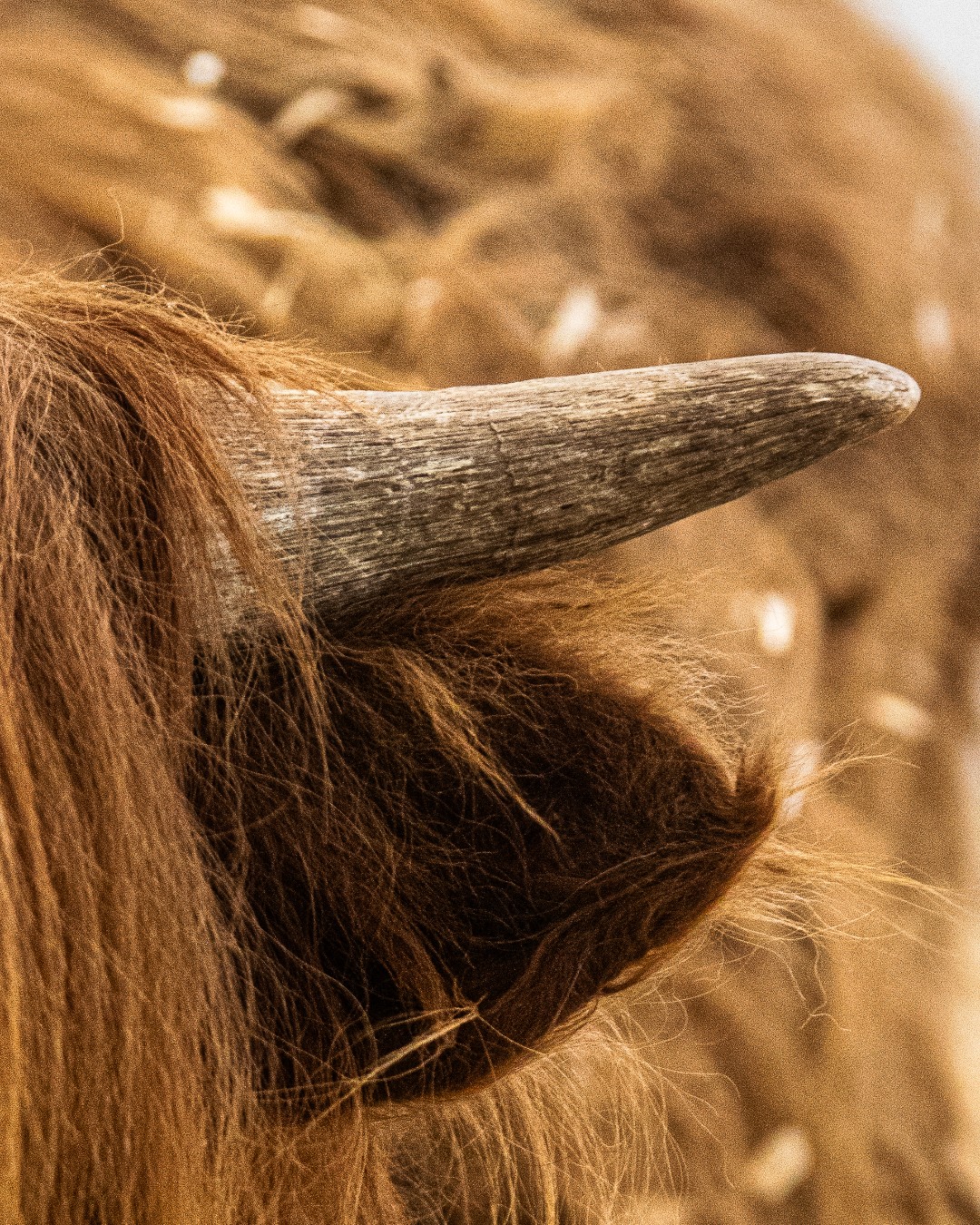
My oh my, who do we have here? 👀
Something new is coming to your Zoo! Any idea?
