
- Introduction to Armadillos: Characteristics and Habitat
- The Care and Development of Nine-Banded Armadillo Pups
- Importance of Education and Conservation Efforts
- How to Experience Armadillos at the Zoo
- The Role of Armadillos in Ecosystems and Conservation
Armadillos are fascinating creatures that have captured the attention of many. Known for their unique armor-like shells, these animals are more than just interesting to observe; they play significant roles in their ecosystems. The nine-banded armadillo, in particular, is a species that has adapted remarkably to its environment. It is predominantly found in the southern United States, Central America, and parts of South America. This species is characterized by its segmented body armor, which consists of bony plates, providing protection against predators.
The habitat of these animals is typically a mix of forests, grasslands, and wetlands, allowing them to thrive in diverse conditions. They are burrowing animals, using their strong limbs and claws to dig for food and create homes underground. This behavior not only benefits them but also helps aerate the soil, contributing to the overall health of their ecosystem.
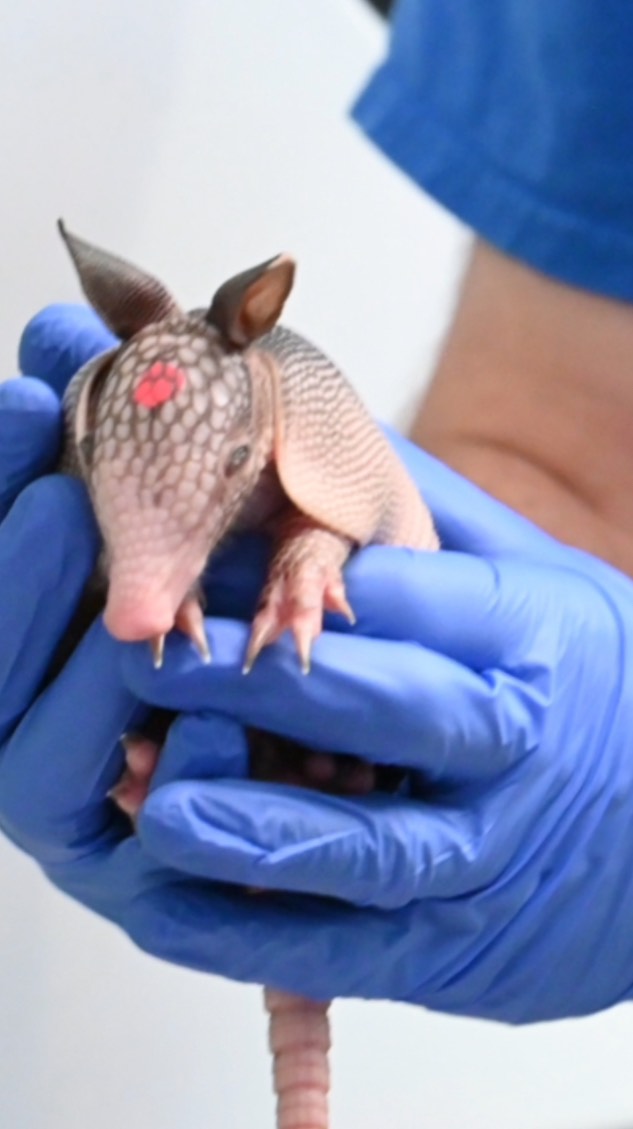
Recently, our education team has welcomed three delightful nine-banded armadillo pups, named Boulder, Geode, and Onyx. These pups were born with soft, leathery skin, which hardens as they grow, further enhancing their protective armor. Observing their development is a remarkable experience, and we invite you to do so through our video resources. Watching Boulder, Geode, and Onyx as they adjust to their new surroundings provides insights into the rapid growth and transformation these young armadillos undergo within their first few weeks of life.
The care and development of these nine-banded armadillo pups are paramount. In the wild, armadillos are born in litters, typically consisting of four pups, and they rely heavily on their mothers in the early stages of their lives. At our Zoo, our team takes special measures to imitate this nurturing environment. Proper nutrition is crucial; these pups are fed a diet that includes insects, plants, and fruits, mimicking their natural diet. Monitoring their health involves regular check-ups to ensure they are growing as expected. Within just a few weeks, the pups will begin to exhibit behavioral traits associated with their adult counterparts, such as foraging and digging. The importance of providing a safe and stimulating environment cannot be overemphasized as it directly influences their growth and development.
Education and conservation efforts around nine-banded armadillos are critical. Here at the Zoo, we emphasize the importance of understanding these animals not only as individual species but as integral components of their ecosystems. Our Rainforest Wild Encounter program allows visitors to learn about armadillos and observe them in an educational setting. Through interactive displays and presentations, guests can deepen their understanding of the ecological roles that armadillos play, particularly in soil health and pest control. Their burrowing activities aerate soil and promote nutrient cycling, which benefits various plant species.
Additionally, not all interactions with visitors and programs are limited to the Zoo. Our outreach initiatives extend to schools and community centers, broadening awareness about armadillos and wildlife conservation. Engaging with the public on a grassroots level fosters a sense of stewardship and encourages individuals to participate in conservation efforts, whether by supporting local wildlife or advocating for habitat protection.
To engage more personally with these intriguing creatures, there is an opportunity to participate in select Wild Encounters, where visitors can get closer to Boulder, Geode, and Onyx. These sessions are designed to provide hands-on learning experiences, where participants can observe feeding behaviors, habitat preferences, and other essential aspects of armadillo life. Understanding their behavior not only informs about their lives but also raises awareness about the challenges they face, such as habitat loss, as urban expansion increases.
The role of armadillos in ecosystems cannot be underestimated. They are part of a delicate food web where they serve as prey for larger predators, such as coyotes and hawks, while also being key players in the health of their habitats. Their diet primarily consists of insects and grubs, making them natural pest control agents. By managing insect populations, armadillos contribute to agricultural health, making them widely beneficial to farmers and gardeners alike.
Moreover, armadillos are known for their unique ability to carry leprosy. While this fact may provoke concern, it is essential to understand that the risk to humans is very low. Awareness and education about this aspect are crucial to dispelling myths and helping people understand the ecological importance of nine-banded armadillos in a broader context.
Conservation efforts for armadillos extend beyond education and awareness. Efforts are being made to protect their natural habitats, given that their populations face threats from habitat destruction, vehicle collisions, and climate change. Community engagement and policy advocacy are crucial in addressing these issues. Initiatives aimed at preserving local ecosystems can significantly contribute to armadillos’ ongoing survival and well-being.
It’s increasingly vital for communities to recognize their connection to local wildlife. Simple actions such as creating wildlife corridors and reducing pesticide use can have far-reaching effects. Taking measures to conserve natural habitats ensures that armadillos and other wildlife can thrive alongside urban development.
With Boulder, Geode, and Onyx now part of our Zoo, they serve as ambassadors for their species. These young pups are a reminder of the importance of wildlife education and conservation. By engaging with them, visitors not only learn about armadillos but also about the broader challenges facing many species today.
The promotion of wildlife education at the Zoo fosters a connection between animals and people, inspiring a collective commitment to conservation. Engaging with Boulder, Geode, and Onyx provides a unique opportunity to witness the growth and development of these armadillo pups while understanding their crucial ecological roles.
As our understanding of wildlife deepens, so too does our responsibility to them. Educating ourselves and our communities about species like the nine-banded armadillo not only enriches our lives but also ensures that these unique creatures can continue to exist in their natural habitats.
Educational outreach, personal encounters with animals, and active conservation efforts are fundamental in fostering a culture of respect and stewardship towards wildlife. The story of Boulder, Geode, and Onyx is one that symbolizes hope for the future, reminding us of the living connection we share with the planet and its many inhabitants. Through knowledge and action, we can safeguard these remarkable creatures and preserve the ecosystems they inhabit for future generations.
*****
Source Description
Arma-delightful news! Meet Boulder, Geode, and Onyx. Our education team at the Zoo has been hard at work taking care of our new nine-banded armadillo pups. They are born with soft leathery skin that hardens within a few weeks. In this video, you can watch them grow and change.
While these ‘little armored ones’ get adjusted to the new world around them, you can learn more about armadillos through our Rainforest Wild Encounter and our education programming. These armadillos join our other Animal Ambassadors, which are viewable through education programming, outreach or special visits, and select Wild Encounters.
