
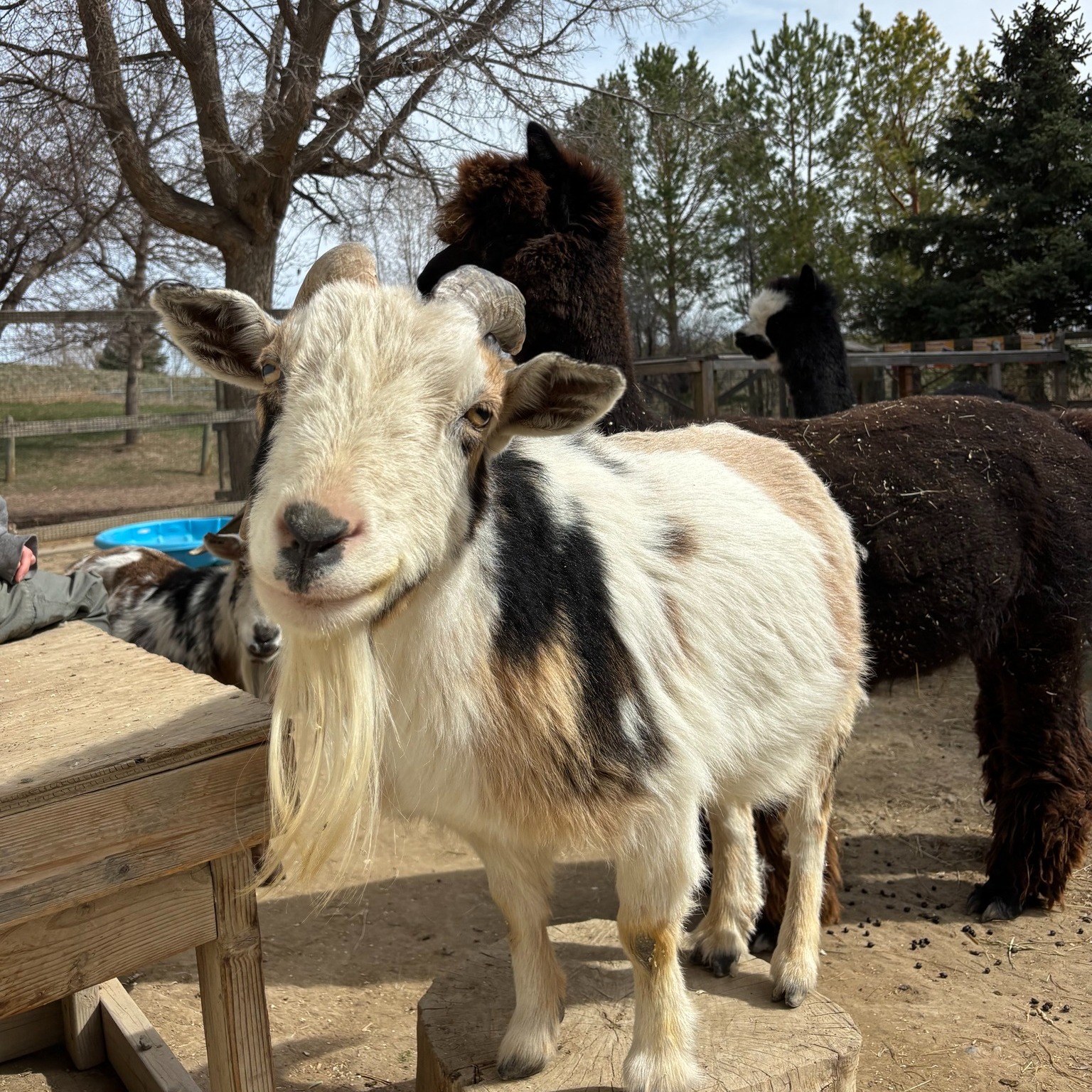
- Celebration of Percy & Victor’s 13th birthday, highlighting their unique personality traits and behaviors.
- Introduction to Nigerian dwarf goats with a focus on their characteristics and care requirements.
- The importance of enrichment and social interaction in the well-being of goats.
- Insights into zoo management practices related to the care of elderly animals.
- The role of community and educational outreach in wildlife conservation.
Celebration of Percy & Victor’s 13th Birthday
Percy and Victor, two beloved Nigerian dwarf goats, reached an impressive milestone by turning 13 years old. This celebration was not just an ordinary occasion but an opportunity to reflect on the care and dedication necessary for maintaining the health and happiness of these charming creatures. The event was marked with jubilant festivities, including a cake specially crafted from frozen hay pellets adorned with raspberry and banana. Such thoughtful treats highlight the attention to detail in their diet, ensuring they receive both nutritional balance and sensory satisfaction.
The goats’ Care Team, along with other barn residents, participated in the day’s activities. They engaged in delightful sessions of hoof painting, allowing the goats to explore creative expression. These activities are not simply for amusement; they are essential for stimulating cognitive and physical functions. The interactive environment fosters a strong bond between caretakers and animals, emphasizing trust and companionship.
Introduction to Nigerian Dwarf Goats
Nigerian dwarf goats are renowned for their small stature, cheerful demeanor, and adaptability. Originally bred for milk production, these goats have gained popularity in both agricultural and pet contexts due to their manageable size and friendly nature. Their social behavior is complex and requires understanding and patience from those who care for them.
Nigerian dwarfs are adept at forming strong emotional connections with humans and other animals. They thrive in environments that provide ample space for exploration and social interaction. As herd animals, they exhibit a range of social behaviors that necessitate group living for emotional well-being. The provision of a stimulating environment and diverse social interactions enriches their lives, promoting both physical and mental health.
The Importance of Enrichment and Social Interaction
Enrichment is a critical component of animal care that goes beyond basic needs. For goats like Percy and Victor, activities that stimulate their natural behaviors are crucial. These include play, exploration, and problem-solving, which all contribute to their overall health. Enrichment not only enhances their quality of life but also prevents detrimental behaviors that can arise from boredom or stress.
Incorporating social interaction into their daily routine is equally important. Goats are inherently social creatures, often forming intricate hierarchies within their groups. Facilitating their social needs through group activities, such as communal feeding or play, supports their psychological health. Percy and Victor’s celebratory day, filled with companionship and interactive challenges, underscores the significance of social engagement in goat care.
Insights into Zoo Management Practices
Caring for elderly animals in zoo settings involves specialized strategies. As animals age, their nutritional, medical, and social requirements change. Percy and Victor’s ongoing care is a testament to the expertise and dedication of their caretakers. They closely monitor the goats’ health, adjusting diets and activities to match their evolving needs.
Geriatric care in zoos prioritizes comfort, mobility, and cognitive engagement. Ensuring the animals maintain an active lifestyle, emphasizing physical activity that is suitable for their age, helps in prolonging their vitality. Situations like Percy and Victor’s birthday provide excellent opportunities for reinforcement of these practices under festive circumstances, fostering both attention to care and public education.
The Role of Community and Educational Outreach
Wildlife conservation thrives on active community involvement and education. The celebration of Percy and Victor’s milestone illustrates the effective role that zoos and sanctuaries play as educational platforms. By engaging the public with stories and events, these institutions build awareness and advocacy for animal welfare.
Outreach programs connected to these facilities can serve as catalysts for raising awareness about the importance of preserving diverse species. They often feature informative sessions, interactive exhibits, and personal stories like those of Percy and Victor to foster a deeper connection to the animal kingdom. Through these initiatives, the broader mission of conservation and sustainable coexistence with wildlife is communicated powerfully.
Each aspect of caring for Percy and Victor, from their diet to their enrichment, reflects a commitment to the holistic well-being of animal residents. This comprehensive approach not only honors individual stories but also elevates the understanding of what it means to protect and cherish life. By sharing their tales, awareness expands, and the message of conservation reaches wider audiences, creating a more informed and compassionate world for all creatures.
*****
Source Description
We have some news to share, and no, this isn’t an April Fool’s post😁
Percy & Victor, the Nigerian dwarf goats, turned 13 today! Surrounded by their Care Team and other furry friends of the barn, these two enjoyed eating cake, painting hoof prints, and interacting with enrichment! This year’s cake recipe was a tasty blend of frozen hay pellets topped with raspberry and banana🤤
📸Thank you to our Caretakers Amy & Gabi for these cute photos!
