
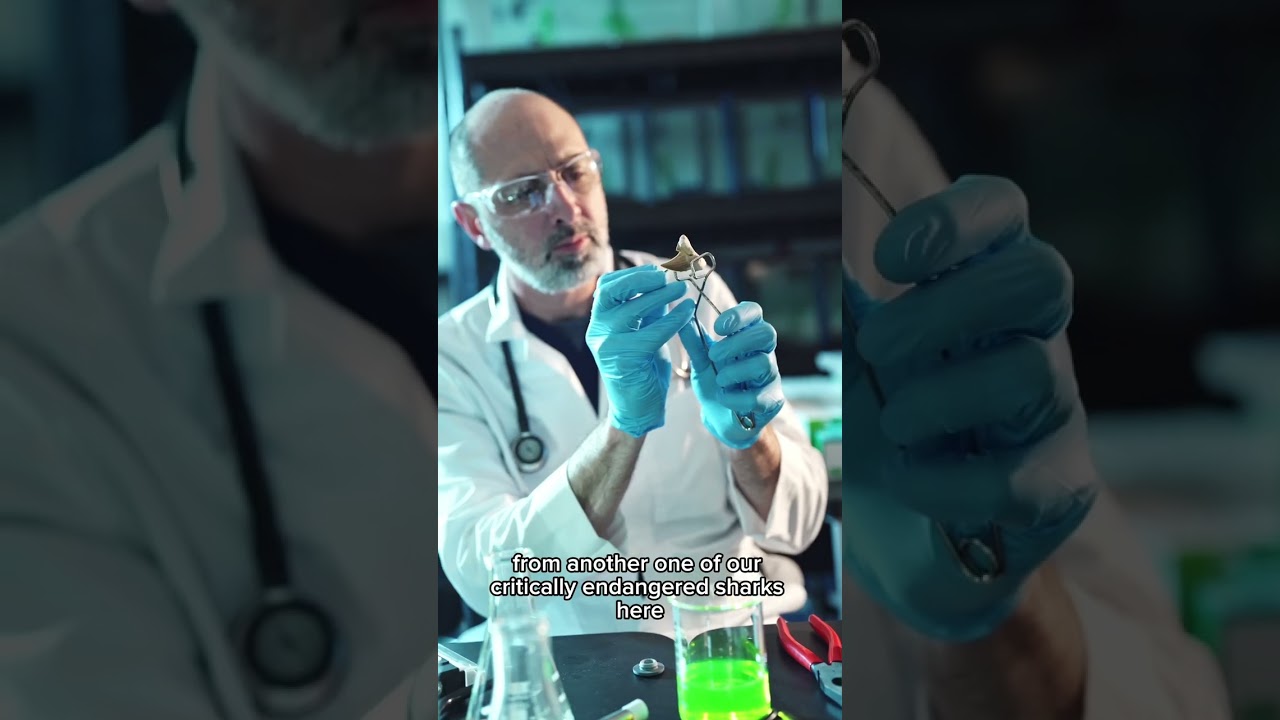
- The significance of shark conservation and the role of zoos in preserving marine ecosystems.
- The announcement of new initiatives to enhance shark habitats and public education in zoos.
- Zoological management practices that support sustainable shark populations in captivity.
- The impact of public engagement and awareness on wildlife conservation efforts.
- The integration of technology and research in modern zoo environments for the benefit of marine life.
Sharks, often misunderstood, play a crucial role in maintaining the balance of marine ecosystems. They are apex predators, impacting the population and health of other marine species. The decline in shark populations poses a significant threat to oceanic food chains. Zoos and aquariums are pivotal in advocating for the conservation of these majestic creatures. They provide a controlled environment to study and showcase sharks, enhancing public understanding and interest in their survival.
A major initiative announced by facilities worldwide is the enhancement of shark exhibits, designed to better replicate their natural habitats. This includes larger tanks, enriched environments, and advanced life-support systems that mimic ocean conditions. By creating a more authentic experience for sharks and visitors alike, zoos aim to inspire conservation efforts and educate visitors on the importance of these predators.
Beyond exhibit design, zoo management involves careful planning and execution to maintain healthy shark populations in captivity. This includes breeding programs, veterinary care, and diet management. Breeding sharks in captivity is complex, requiring precise knowledge of species-specific behaviors and reproduction cycles. Specialized diets are curated to match natural nutritional needs, which is critical for their health and longevity.
Public engagement is another cornerstone of wildlife preservation. Educating visitors about sharks challenges common misconceptions and fosters a conservation mindset. Interactive displays, educational talks, and hands-on experiences create connections between people and sharks. Leveraging the power of storytelling, zoos highlight the ecological significance of sharks and the threats they face, encouraging activism and sustainable practices.
Technological integration in zoological settings has transformed the study and care of marine life. High-tech monitoring systems gather data on the health and behavior of sharks, providing insights into physiology and interactions within the tank. Research collaborations between zoos, universities, and conservation organizations drive innovation and contribute to the broader field of marine biology. These initiatives not only improve conditions for captive sharks but also yield information vital to protecting wild populations.
Shark conservation extends beyond physical boundaries. Global partnerships and conservation strategies are necessary to address issues like overfishing and habitat degradation. Zoos act as ambassadors for marine conservation, using their platforms to advocate for policy changes and sustainable fishing practices. Support for marine protected areas and anti-poaching initiatives often begins with the awareness generated by zoo-led campaigns.
One promising development in zoo management is the use of virtual and augmented reality experiences. These tools bring visitors closer to the ocean environment, allowing them to explore an underwater world without leaving the zoo. Such experiences can deepen understanding and empathy towards sharks, highlighting conservation needs in an engaging manner.
The success of conservation efforts also hinges on sustainable practices within the zoological community. Zoos collaborate on breeding programs and genetic diversity initiatives, exchanging expertise and specimens to bolster numbers. They also engage in rescue and rehabilitation efforts, playing a critical role in saving injured or at-risk sharks and reintroducing them to their natural habitats when possible.
Educational initiatives are being expanded to include more in-depth programs for schools and communities. Workshops and classroom sessions provide comprehensive information about marine ecosystems and the importance of sharks within them. This outreach is vital for developing the next generation of marine biologists and conservationists, equipping them with the knowledge and passion needed to continue advocacy work.
Another focal point is the enhancement of water quality management in shark habitats. Maintaining optimal water conditions is essential for shark health. Advanced filtration systems and regular water testing prevent disease outbreaks and ensure a stable environment. Staff training emphasizes the importance of these practices, equipping personnel with the skills to manage complex aquatic systems effectively.
The video accompanying the announcement described the emotional response of zoo staff and visitors, underscoring the significance of these advances. By prioritizing both animal welfare and visitor education, zoos create immersive experiences that leave lasting impressions. This dual focus strengthens public support for conservation initiatives, translating awareness into action.
Data collected through various research projects have been integral to refining conservation strategies. Understanding migration patterns, reproductive habits, and prey interactions informs policies and practices that support both captive and wild shark populations. These studies, often published in scientific journals, foster collaboration and knowledge sharing among international conservation communities.
Marine conservation is an ever-important arena faced with many challenges. Zoos continue to play an instrumental role, balancing the needs of animals with educational imperatives. As they evolve, their ability to adapt and integrate cutting-edge technology and research will determine the future of shark conservation. By embracing this responsibility, zoos can significantly contribute to the global efforts aimed at preserving these vital, yet vulnerable, marine species.
*****
Source Description
We have a HUGE announcement to make…🦈
After years of research, our team has successfully helped bring back the Megalodon shark, one of the ocean’s most iconic apex predators.
This groundbreaking conservation milestone opens the door to new possibilities in marine science. Click the link in our bio to learn more about this exciting conservation success story. #April1 👀
