
- The significance of wildlife rescue and rehabilitation.
- An overview of pronghorn anatomy and behavior.
- The ecological role of pronghorns in their habitat.
- The importance of community engagement in wildlife conservation.
- Insights into the care and management of orphaned animals.
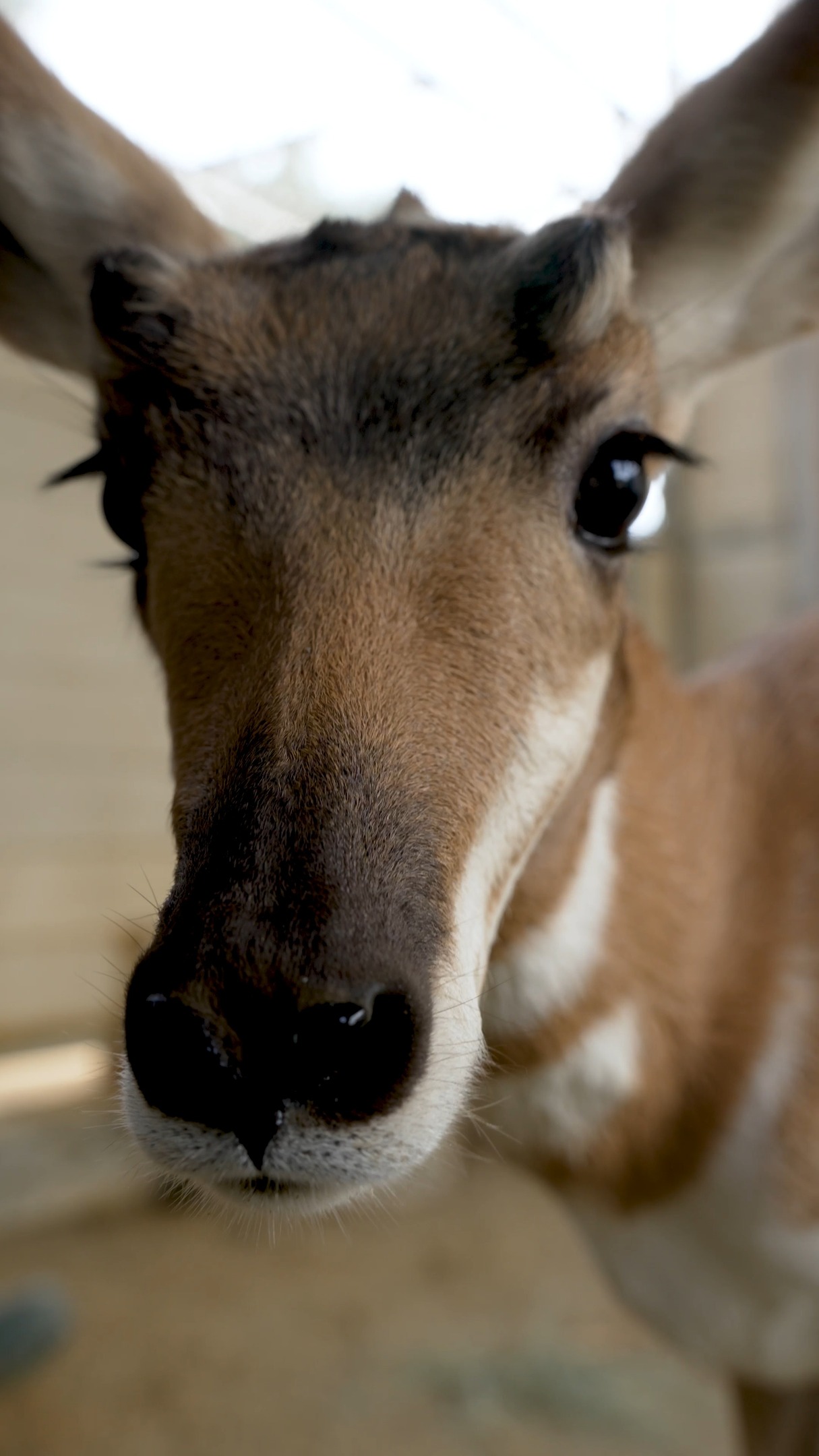
Wildlife rescue and rehabilitation play a crucial role in preserving endangered species and maintaining biodiversity. In recent news, an orphaned pronghorn named Hatch was brought to a Safari Park, highlighting the vital need for such initiatives. Hatch’s story serves as a reminder of how human intervention can make a substantial difference in animal welfare and conservation. Wildlife care teams like those at the Safari Park work tirelessly to rehabilitate animals like Hatch, preparing them for eventual reintegration into their natural habitats or, in some cases, providing them a safe, permanent refuge. Each rescued animal represents countless others in need of assistance, making these efforts fundamental to wildlife preservation.
Hatch, inspired by the Hatch Green Chili from New Mexico where he was rescued, is thriving under the dedicated care of wildlife professionals. Pronghorns (Antilocapra americana), commonly mistaken for antelope, possess distinct characteristics that set them apart. They are the fastest land mammals in North America, capable of reaching speeds up to 60 miles per hour. This speed is a crucial adaptation to evade predators in the open grasslands and desert areas where they typically inhabit. Understanding these animals requires examining their anatomy. Pronghorns have unique adaptations, including large lungs and a specialized cardiovascular system, allowing them to sustain high speeds over long distances.
Their diet is herbivorous, primarily consisting of grasses and forbs. Hatch is settling in well with the rest of the pronghorn herd, demonstrating typical behaviors such as searching for food. Observing him, one can see the pronghorn’s natural feeding habits, which are essential for maintaining the ecosystem they inhabit. As they graze, pronghorns play a role in shaping the plant community and contributing to soil health. They help disperse seeds and maintain plant diversity, thereby supporting a balanced ecosystem.
In the grander scope of wildlife conservation, the ecological role pronghorns play cannot be overstated. They are considered a keystone species in their environment. Grazers like pronghorn influence plant succession and community dynamics. Their foraging triggers growth in various plant species that might otherwise dominate and limit biodiversity. Additionally, pronghorns are a food source for predators, including coyotes and wolves. The intricate balance between pronghorn populations and their predators is vital for ecological health, showcasing how one species can impact another within the ecosystem.
Community involvement is crucial for effective wildlife conservation practices. Understanding Hatch’s situation brings us closer to realizing how important local engagement is in animal rescue efforts. Conservation initiatives benefit significantly from public participation. This includes supporting wildlife rescue centers, educational efforts, and advocacy for policies that protect natural habitats. When communities invest in the welfare of their wildlife, they become stakeholders in conservation and biodiversity protection.
Zoos and wildlife parks play a critical role in promoting education and engagement. They serve as hubs for research, learning, and collaboration. Educational programs designed for visitors help to spread awareness about wildlife issues and inspire support for conservation efforts. By teaching visitors about the ecological significance of animals like pronghorns, facilities provide the knowledge needed to advocate for the protection of these species in their natural habitats.
In terms of Hatch’s specific situation, the wildlife care team’s attention to detail is commendable. The process of caring for an orphaned pronghorn involves a comprehensive understanding of its needs. Initially, young pronghorns require specialized milk formulas that mimic their natural mother’s milk. As Hatch matures, he will gradually transition to solid food. This stage is crucial for ensuring his growth and health. Monitoring his activity levels and social interactions within the herd also plays a vital role in his rehabilitation. The social structures observed among pronghorns highlight the importance of herd dynamics. Young pronghorns often learn behaviors from older members, ensuring the continuation of skills essential for survival in the wild.
The story of Hatch is particularly poignant, as it echoes larger themes of wildlife conservation and the delicate balance of ecosystems. The act of rescuing and rehabilitating orphaned animals serves both ethical and ecological purposes. The efforts made to nurture Hatch are emblematic of a broader commitment to the stewardship of our planet’s wildlife. By ensuring that young animals like him have the chance to thrive, conservationists are actively working to maintain the health of ecosystems, which ultimately benefits all species that share those environments.
In recent years, community awareness of wildlife issues has increased. Local campaigns aimed at promoting conservation often inspire individuals to take action. Successful initiatives encourage responsible interaction with wildlife and habitat preservation. Schools, local organizations, and businesses can work together to create programs that highlight the importance of protecting species like the pronghorn. Building a sense of responsibility within the community can lead to stronger conservation efforts and a more sustainable future.
In conclusion, the story of Hatch, the orphaned pronghorn, exemplifies the multi-faceted approach necessary for effective wildlife conservation. By understanding the species’ anatomy and behavior, recognizing their ecological importance, fostering community engagement, and implementing proper care standards, we can collectively work towards protecting these animals and their habitats. As we further explore the connection between wildlife and communities, we recognize the shared responsibility in preserving our planet’s rich biodiversity.
*****
Source Description
Sweet news with a dash of spice 🌶️
The orphaned pronghorn brought to the Safari Park earlier this year has been named Hatch by our wildlife care team, inspired by the Hatch Green Chili found in New Mexico where he was rescued. This springy sweetheart is settling in well with the rest of the pronghorn herd, eating solid foods and bouncing with endless energy.
