
- The importance of biodiversity in local ecosystems
- The Teens Take C.A.A.R.E. program and its community impact
- The creation of pollinator habitats and their significance
- Upcycling initiatives: Building a bee hotel
- Collaboration with local experts in conservation
Biodiversity reflects the variety of life on Earth. It encompasses the different species of plants, animals, and microorganisms, their genetic differences, and the ecosystems they form a part of. Healthy ecosystems play a vital role in sustaining life. They provide essential services like air and water purification, pollination of crops, and soil fertility. When local biodiversity is compromised, the stability of these ecosystems diminishes. This knowledge is fundamental and serves as a catalyst for conservation efforts aimed at maintaining and restoring ecological balance.
The Teens Take C.A.A.R.E. program embodies this spirit of conservation. Over the course of 15 meetings, a dedicated group of teens explored local conservation issues, with a special emphasis on biodiversity. Their efforts have cultivated a deeper understanding of environmental stewardship among participants. This knowledge empowers them to become proactive members of their community, advocating for sustainable practices and engaging in hands-on projects that make a difference.
One such initiative is the creation of a pollinator habitat. These habitats are vital for the survival of local pollinators, including bees, butterflies, and other insects. They offer a source of food and shelter, helping to sustain diverse plant populations and ensuring the production of fruits and vegetables essential for human consumption. By establishing a pollinator habitat, the teens will not only support these crucial species but also raise awareness about their importance to local ecosystems. Educating the community about pollinators can ignite interest in conservation efforts and inspire others to partake in similar projects, fostering a culture of environmental responsibility.
In conjunction with the habitat, the teens are also devoted to building an upcycled bee hotel. Upcycling involves repurposing materials that would otherwise contribute to waste. This practice not only conserves resources but also promotes creativity. By constructing a bee hotel from repurposed materials, the teens are addressing the needs of solitary bees, such as mason bees and leafcutter bees. These bees do not live in hives like honeybees; instead, they require specific types of habitats to thrive. The bee hotel will provide a protected environment for these native pollinators to lay their eggs and develop.
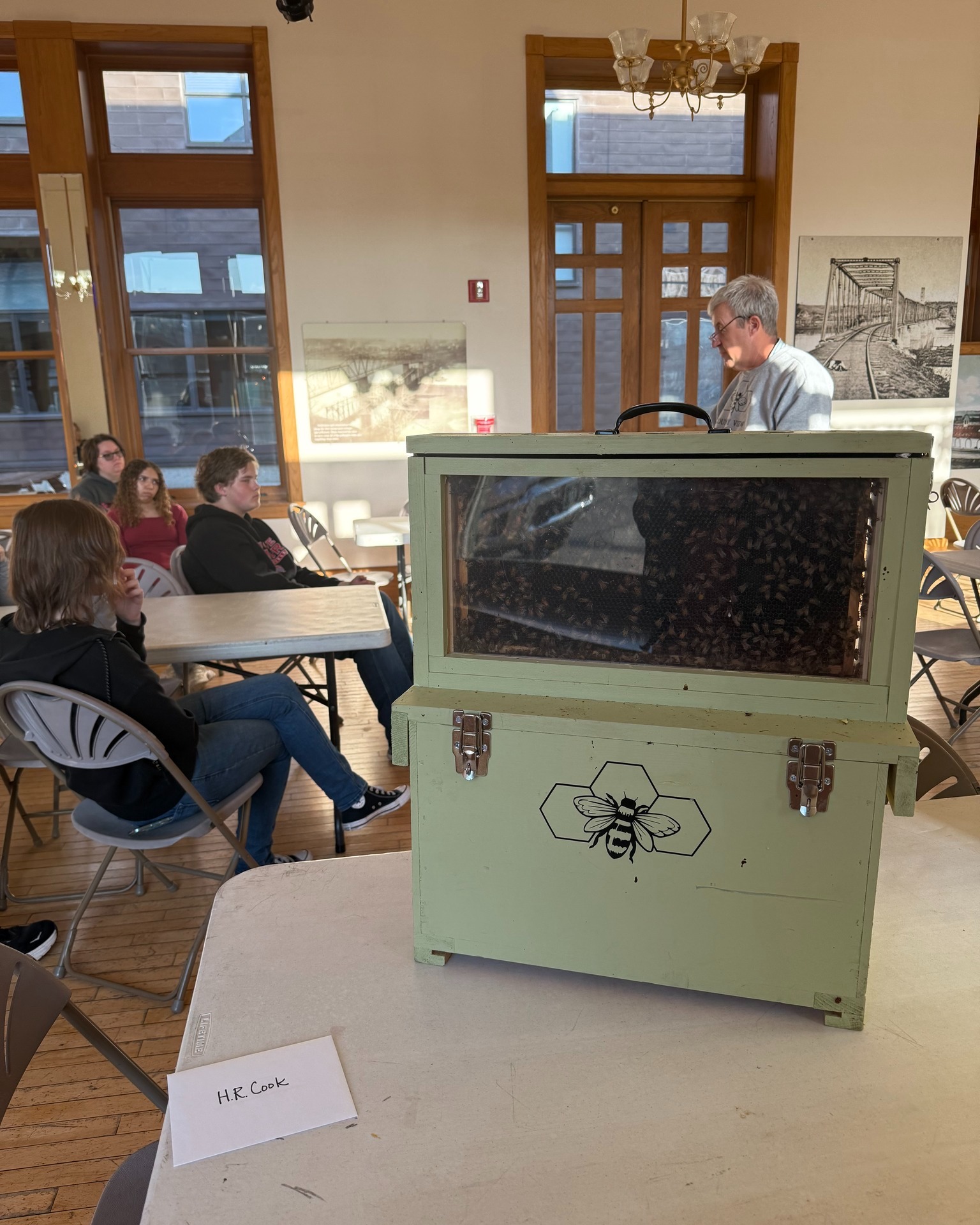
The teens collaborated with local expert H.R. Cook from Country View Honey for this initiative. Learning from someone with years of experience in beekeeping significantly broadened their understanding of pollinator needs. During this session, Cook discussed various aspects of pollinator habitat management, including the types of plants that attract pollinators, the nesting habits of different bee species, and the importance of avoiding pesticides. This direct interaction with a local expert enriches their project and reinforces the idea that community knowledge and expertise can enhance conservation efforts.
Integrating educational outreach with community projects is a winning strategy. The teens will conduct workshops at schools and local events, sharing what they have learned. This engagement extends the impact of their work beyond their own activities. By inviting peers and families to participate, they can create a ripple effect that elevates awareness and instills a sense of responsibility towards local wildlife conservation.
In learning about biodiversity and pollinator habitats, the teens are gaining valuable skills. They are developing project management skills, teamwork, and problem-solving abilities. Every aspect of the initiative, from planning to execution, relies on effective communication and collaboration. Such experiences are instrumental in preparing them for future leadership roles in environmental stewardship.
Research underscores the importance of initiatives like this, demonstrating that restoring habitats significantly aids in pollinator conservation. Studies show that diverse plant communities promote healthy pollinator populations. The teens’ efforts in creating these habitats align perfectly with scientific findings. Pollinators contribute to about one-third of all food produced globally. By facilitating their thriving, we are essentially preserving our food sources and supporting human health.
The environmental challenges faced today, from climate change to habitat loss, necessitate innovative strategies and community engagement. Through programs like Teens Take C.A.A.R.E, youth become informed advocates for environmental sustainability. The insights gained through this program are invaluable; the participants are not just learning but applying their knowledge in practical ways. They are demonstrating that collective actions can lead to substantial environmental improvements.
The creation of pollinator habitats and bee hotels is a small but significant part of a larger picture. Conservation efforts must adapt to confront ongoing challenges. The enthusiasm exhibited by these teens exemplifies a shift in how younger generations view environmental issues. A proactive approach, characterized by tangible actions and community involvement, can inspire broader movements for change.
Community engagement in conservation serves multiple purposes. It fosters a sense of belonging, encourages collaboration, and promotes environmental awareness. These teens are exemplifying active citizenship by linking their passion for biodiversity with actionable outcomes. They are establishing connections that can last a lifetime, not only among themselves but also with mentors and community leaders who share their interests.
The increasing disconnect between individuals and nature is concerning. Many people live in urban areas, isolating them from natural spaces. Initiatives like this serve to bridge that gap, fostering respect and appreciation for the environment. By creating places where people can observe and interact with pollinators, they can rekindle interest in nature.
Furthermore, integrating a hands-on approach to learning enhances retention and reinforces knowledge. The Teens Take C.A.A.R.E. program is not just about knowledge acquisition; it’s an experience that shapes attitudes. As participants engage in ecological projects, they develop a deeper understanding of their relationship with the environment, which can lead to more sustainable lifestyles.
The positive implications of this project could extend beyond pollinator conservation. Engaging with local ecosystems can stimulate discussions about broader environmental issues such as water conservation, climate change, and habitat protection. The teens have the potential to become influential advocates who champion various aspects of environmental sustainability.
Local partnerships are vital in advancing these efforts. Involving community stakeholders can amplify the project’s reach and effectiveness. It opens up opportunities for alternative funding sources, volunteer recruitment, and knowledge sharing. Collaborating with local businesses and organizations can also provide additional resources, from materials to educational support.
Monitoring and evaluation are critical components of any conservation initiative. Tracking the success of the pollinator habitat and bee hotel will provide data that can inform future projects. This can include documenting bee activity, plant growth, and community engagement levels. Engaging community members in these assessments can further raise awareness about the importance of biodiversity and conservation.
Engaging youth in conservation endeavors is essential for building the next generation of environmental leaders. Programs like Teens Take C.A.A.R.E. cultivate enthusiasm and empower young individuals by equipping them with the knowledge and skills necessary to effect positive change. More critically, they inspire a sense of ownership over local environmental issues.
We can observe the tangible impact of youth-led initiatives such as this one, which focus on biodiversity and conservation. These efforts unite the community around a common goal and showcase the vital role our youth play in shaping a sustainable future. By engaging with local ecosystems and learning about the intricate connections within them, these teens become informed advocates, motivating others to take part in the crucial work of environmental stewardship.
In a time when global ecological concerns loom large, localized efforts serve as a reminder that every action counts. The determination, creativity, and dedication demonstrated by the Teens Take C.A.A.R.E. program herald a brighter future for our environment. Their commitment to biodiversity, conservation, and community engagement exemplifies a proactive approach that benefits both the natural world and humanity. The foundation they are laying today will undoubtedly influence their generation and those that follow, fostering continued innovation in environmental conservation.
*****
Source Description
Exciting news from the Teens Take C.A.A.R.E. program! Our awesome group of teens has been busy, attending 15 meetings where they’ve dived into local conservation issues and learned just how important biodiversity is.
Now, they’re ready to put that knowledge to work! They’re about to begin a community project to create a pollinator habitat in an area that needs it, which will help our local pollinators and raise awareness about the crucial role they play in maintaining healthy ecosystems.
And there’s more! They’re also building an upcycled bee hotel with repurposed materials, giving native pollinators a safe spot to thrive. They even met with H.R. Cook from Country View Honey to learn more about pollinator needs and how to provide a safe habitat for our local native pollinators!
We’re super proud of their hard work and can’t wait to see the difference they’ll make in our community!
