
- Understanding the Association of Zoos and Aquariums’ Species Survival Plan (SSP)
- The importance of genetic diversity in zoo breeding programs
- The role of San Antonio Zoo in wildlife conservation
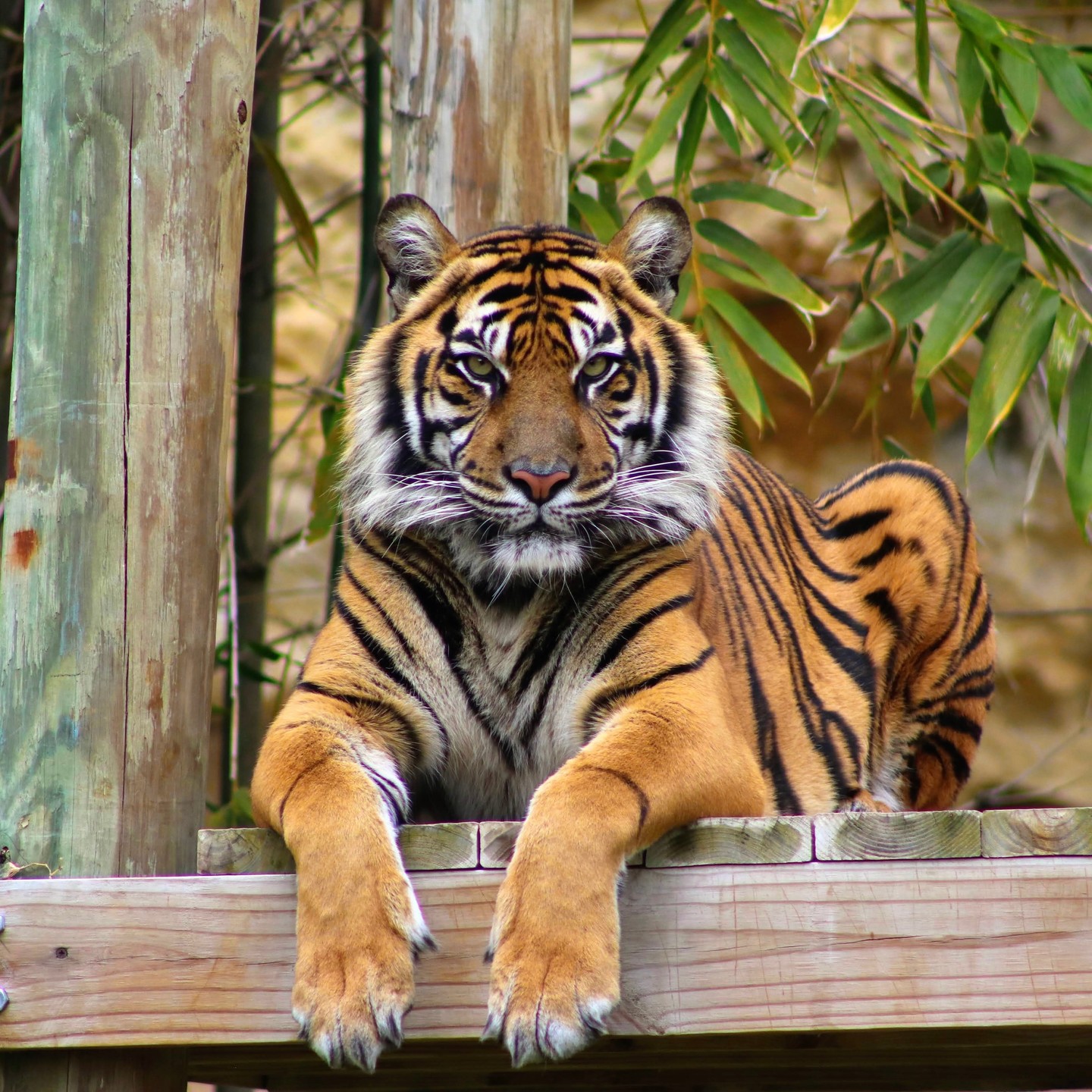
- The journey of Sumatran Tigers within the zoo system
- Future prospects for zoo babies and species conservation
The Association of Zoos and Aquariums (AZA) plays a critical role in the conservation of species through its Species Survival Plan (SSP). Formulated to enhance population genetics and conservation efforts, the SSP promotes the careful management of breeding within participating zoos. Each SSP is developed by taxon advisory groups (TAGs), which consist of experts in their respective fields. These experts work collaboratively to evaluate breeding recommendations, demographic distribution, and long-term sustainability. By focusing on these areas, the SSP aims not only to maintain healthy captive populations but also to support future reintroduction efforts into the wild.
Genetic diversity is a cornerstone of the SSP program. It reduces the risk of inbreeding, which can lead to hereditary diseases and decreased resilience to changes in the environment. For example, maintaining genetic diversity in jaguars and tigers is essential because it can help ensure that these species remain viable in the face of challenges such as habitat loss and climate change. San Antonio Zoo, as an AZA member, contributes to this global effort by participating in breeding programs and transferring animals to other accredited facilities—ensuring a well-managed genetic pool.
San Antonio Zoo has demonstrated its commitment to wildlife conservation through various initiatives. The zoo provides educational programs that inform the public about endangered species and conservation efforts. By investing in animal care, habitat enrichment, and behavioral training, the zoo creates an environment in which species like the Sumatran tiger can thrive. The recent relocation of the Sumatran tiger, The Royal Ja’Malle, to Baton Rouge Zoo exemplifies the zoo’s dedication to this mission. Born in 2013, alongside her sister Diana, the maneuver allows for new breeding possibilities while supporting genetic diversity.
In the case of tigers, specific behaviors influence breeding recommendations. These big cats are solitary animals, spending much of their lives apart except during mating periods. This characteristic can complicate breeding initiatives, as it often requires identifying suitable partners for controlled breeding. Following the departure of The Royal Ja’Malle, Jeda, the remaining Sumatran tiger at San Antonio Zoo, will continue to navigate the habitat independently. Future breeding recommendations will rely on careful assessments of genetic compatibility and the overall population dynamics.
The upcoming months hold great promise for zoo babies within San Antonio Zoo. By focusing on species like giraffes, gorillas, and other critical taxa, the institution aims to make substantial contributions to wildlife conservation. Breeding programs are not just vital for maintaining captive populations; they play a pivotal role in conservation strategies tailored to protect threatened and endangered species worldwide. For instance, successful breeding can lead to the reintroduction of species that have faced severe population declines due to habitat destruction and poaching.
To maximize the potential for successful births, effective management strategies are required. That includes maintaining a comfortable and stimulating environment for the animals. Enrichment programs that replicate natural behavior are essential, as they not only support social and reproductive behaviors but also contribute to overall animal welfare. Facilities should provide both physical and social enrichment to promote a healthy lifestyle.
Moreover, educational outreach is essential to foster a conservation-oriented mindset among visitors. By showcasing the efforts behind zoo breeding programs, institutions can inspire local communities to participate in conservation activities. Information detailing the challenges certain species face, the importance of biodiversity, and the role of zoos in addressing these issues can galvanize public support.
Zoos like San Antonio also collaborate with other institutions for species recovery. These relationships allow for shared knowledge and resources, enhancing the effectiveness of breeding programs. For example, geneticists and other specialists work with zoos to monitor populations closely, ensuring that genetic health is maintained and optimally assessed. This collaborative effort creates a network of information, which can be particularly valuable when introducing potential breeding partners that have been identified as suitable matches.
Additionally, advances in veterinary science are critical to the successful management of zoo animals. Routine health assessments, vaccinations, and early interventions for health issues allow for the early detection of problems, ultimately improving breeding success rates and the longevity of the animals. Veterinarians trained in wildlife medicine provide specialized care that caters specifically to the needs of various species. They work alongside zookeepers to monitor behavior and diet, making adjustments as necessary to ensure that animals remain healthy.
The significance of San Antonio Zoo’s SSP participation extends beyond individual animals. It contributes to the global conversation surrounding biodiversity and conservation. As human activities increasingly threaten various species, zoos are providing invaluable resources in terms of research, conservation breeding, and education. By highlighting the plight of animals like the Sumatran tiger, zoos can effectively engage audiences in important discussions about habitat preservation and sustainable practices.
Zoo babies represent hope for the future. Each successful birth is a positive step towards maintaining biodiversity and fostering a deeper understanding of the natural world. The arrival of new animals not only enhances the visitor experience but also serves as a reminder of the shared responsibility we all have to protect our planet’s ecosystems. Fostering that connection between the public and the animals is crucial for inspiring lasting conservation efforts.
Future zoo babies are not merely examples of species management; they symbolize the ongoing battle against extinction. Programs like those at San Antonio Zoo bring forward a vision that emphasizes cooperation, responsibility, and action. The cooperation among zoos worldwide lays a foundation for improved breeding practices, ensuring a hopeful future for many species.
In summary, as San Antonio Zoo prepares for potential new arrivals among its animal inhabitants, the involvement in the Association of Zoos and Aquariums’ Species Survival Plan remains vital. The dual focus on genetic diversity and effective management practices strengthens the foundation for a sustainable future in wildlife conservation. As we continue to support these initiatives, we pave the way for an educated public that recognizes the importance of conservation efforts and the roles played by zoos globally. Engagement in educational outreach and fostering connections between the community and the animal kingdom plays an integral part in nurturing this shared vision for both current and future generations. Zoo babies are more than just a spectacle; they represent a collaborative effort toward a healthier planet.
*****
Source Description
Zoo Babies In Our Future!
Over the upcoming months, you will hear about animals moving to and from San Antonio Zoo. These moves part of the Association of Zoos and Aquariums’ (AZA) Species Survival Plan (SSP), which are led by expert advisors who cooperatively work together to maximize genetic diversity, appropriately manage the demographic distribution and long-term sustainability of Taxon Advisory Group (TAG) recommended Animal Programs within AZA member institutions. We are focused on supporting this effort and look forward to successful births of many species in the future to include jaguars, tigers, giraffes, and yes eventually gorillas and more!
Last week, we said goodbye to Sumatran Tiger The Royal Ja’Malle as she made her departure for Baton Rouge Zoo. The Royal Ja’Malle was born along with her sister Diana at San Antonio Zoo in 2013 to mother and father Kemala and Raguno.
In the meantime, Jeda the Sumatran tiger will continue roaming and exploring the tiger habitat at Big Cat Valley. Tigers are solitary animals spending most of their lives on their own, only coming together for mating purposes.
A future breeding recommendation will come when a suitable female is identified.
