
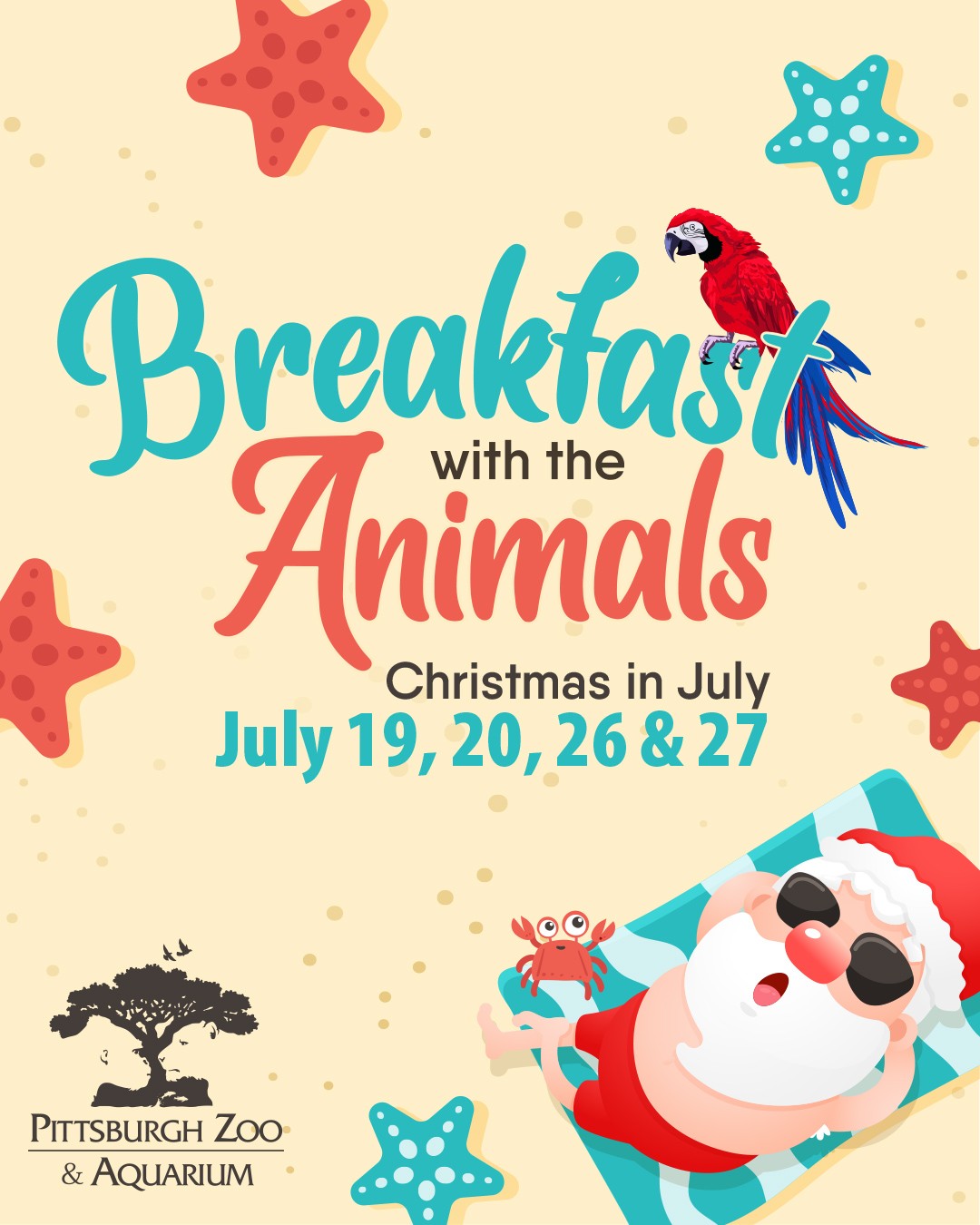
- Overview of the Christmas in July-themed Breakfast with the Animals experience
- Educational components featuring ambassador animals and their roles in conservation
- The importance of feeding routines for zoo animals and the ethics involved
- The significance of story time interactions for children and families
- Environmental stewardship through extended zoo exploration post-breakfast
The Christmas in July-themed Breakfast with the Animals presents a delightful way for families to engage with wildlife and learn about conservation. This special event typically features a delicious breakfast followed by an educational experience with ambassador animals. These animals play a crucial role in conveying messages about wildlife conservation and educating the public.
During the breakfast, attendees have the opportunity to meet a variety of ambassador animals. These are often species that may not be suitable for release into the wild due to injuries or other factors. Conservation organizations utilize these ambassadors to foster a connection between the public and wildlife. Through direct interaction, people can gain insights into the lives of these animals, including their habitats, diets, and behaviors. The presence of knowledgeable handlers provides additional depth, offering facts and stories that enrich the experience.
Feeding routines in zoological settings are important to the health and welfare of the animals. Breakfast attendees can observe how various species receive their specially crafted food, all while educated staff explain the nutritional requirements that must be met. Many people are surprised to learn how complex animal diets can be. For instance, a single animal may require fruits, vegetables, and protein sources to thrive. These behind-the-scenes insights lift the veil on typical wildlife care practices and the importance of proper nutrition.
The ethics of animal feeding is another critical topic. It is essential to balance showing visitors the animals and ensuring that feeding practices uphold their health and welfare. Zookeepers follow established protocols to provide enriching and species-appropriate diets. For instance, offering the right portions prevents overfeeding while encouraging natural foraging behaviors. This approach enriches the animals’ environments and promotes their psychological well-being.
A story time session during the breakfast adds another layer of engagement for families, particularly younger attendees. This part of the event can include readings featuring themes of wildlife conservation, which resonate with the audience. Children are often inspired by stories that highlight animal attributes, and such narratives help cultivate a sense of empowerment regarding environmental responsibility.
Post-breakfast, visitors can explore the zoo, providing a chance to see animals receiving their special morning treats. The practice of giving animals enrichment activities like treats can ignite natural behaviors, enabling them to forage or hunt as they would in the wild. This immediate demonstration of animal behavior captivates audiences, showing them the critical link between conservation efforts and animal well-being.
The extended ways in which zoos contribute to environmental stewardship are multifaceted. Educational programs, along with experiences such as the Christmas in July-themed Breakfast with the Animals, serve to foster a conservation-minded community. The audience leaves feeling enriched, armed with knowledge about animal care, environmental issues, and ways they can contribute to conservation efforts.
By integrating fun with education, events like these exemplify how zoological institutions can play a vital role in societal attitudes towards wildlife. Understanding animals, their needs, and environmental challenges deepens personal connections that inspire future conservationists. The blending of culinary enjoyment with educational engagement creates an unforgettable family experience.
Moreover, such events help raise awareness about the ongoing challenges animals face in natural habitats due to habitat destruction, climate change, and human intervention. Knowledge shared during these experiences can fuel advocacy for wildlife and the environments they inhabit. Participants often leave with tips on how to make sustainable choices in their own lives, further enhancing their role as environmental stewards.
The structure of the event maximizes time for education and engagement. Attendees are guided through various areas of the zoo, presenting opportunities to observe animals in enclosures that simulate their natural environments. Many zoos are now implementing top-tier architectural practices to modernize habitats to be more authentic. The underlying goal is to promote species’ natural behaviors and contribute to their psychological well-being.
Participation in structured activities like those found during the Breakfast with the Animals experience reveals collective responsibility for wildlife conservation. Families gain a deeper understanding that individual actions can influence the broader ecosystem. By spreading awareness among attendees, the zoo reinforces its message that every effort counts in conservation.
As time progresses, events like the Christmas in July-themed Breakfast with the Animals will likely evolve, integrating new educational methodologies and addressing contemporary conservation issues. Ensuring that the content remains relevant and meaningful is crucial for future engagement. Zoos serve not merely as entertainment venues but as critical centers for conservation and education.
The involvement of community members in these experiences contributes to not only personal growth but also societal change. Connecting people to wildlife fosters a nurturing attitude that extends beyond the zoo’s confines. The knowledge gained during these events can inform visitors about habitat protection initiatives, animal welfare laws, and volunteer opportunities within conservation organizations.
Being an enduring community resource, the zoo stands as a symbol of our responsibility to protect biodiversity. Conservation efforts hinge on cooperative approaches, and educational experiences provide a solid foundation for fostering these relationships. Each interaction during events like the Christmas in July-themed Breakfast with the Animals has the potential to encourage lifelong advocacy for wildlife and natural environments.
Educational insights obtained during breakfast experiences can stimulate meaningful conversations about animal behavior, habitat conservation, and ethical care practices. This not only enhances the educational aspect of zoo visits but also builds a communal respect for wildlife and their ecosystems.
Ultimately, by participating in engaging activities and experiences like the Christmas in July-themed Breakfast with the Animals, individuals contribute to a network of informed citizens dedicated to conservation and animal welfare. This spirit of cooperation echoes in wider society as awareness and appreciation for wildlife grow. Each visit strengthens the collective commitment to protect species and preserve their habitats, igniting passions for generations to come.
When we consider the broader implications of such educational programs, the importance of making sustainable decisions and advocating for wildlife conservation becomes clear. Individuals equipped with knowledge can make informed choices that impact the environment positively. Each breakfast plate, every story shared, and each behavior observed during these events plays a pivotal role in steering public attitudes toward wildlife conservation.
Thus, the Christmas in July-themed Breakfast with the Animals emerges not merely as a celebrated event but as a crucial educational platform. It upholds the mission of zoos to not only entertain but also to inform and inspire, steering communities toward a collective future where wildlife thrives in harmony with humans.
*****
Source Description
Wake up on the wild side with a special Christmas in July-themed Breakfast with the Animals! Experience a scrumptious breakfast, up-close experience with education ambassador animals, and a story time with special guests. When breakfast is complete, explore the rest of the Zoo to see our animals get a special morning treat. Includes admission! Tickets in our bio!
