
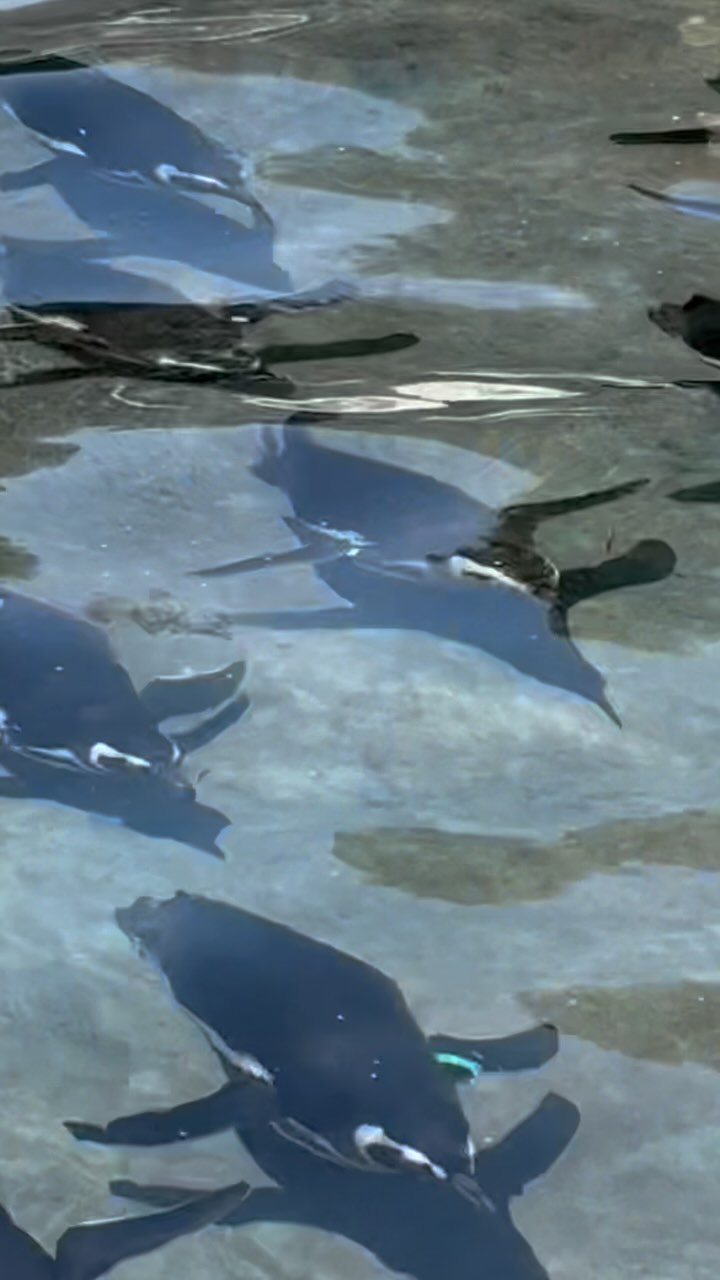
- Exploration of how a unique commute can impact animals and humans.
- Insights into wildlife conservation efforts associated with zoo management.
- The role of Instagram and technology in spreading awareness of animal welfare.
- Understanding the challenges and commitments in managing zoo logistics.
- Collaboration between zookeepers and conservationists to promote sustainability.
On what seems like a regular Friday, commuters typically brave the congested streets en route to their destinations. However, “Not your average Friday commute!” suggests something far more thrilling and unusual, capturing both curiosity and attention. Within this concept, lies a world where animals’ journeys intersect with human routines, contributing significantly to zoology, zoo management, and wildlife conservation. Understanding this convergence is essential to appreciate the deeper implications on both species and the environment.
The narrative of this atypical commute begins with recognizing how such experiences influence both animals and humans. When animals are transported for conservation purposes, whether from one section of a zoo to another or for rehabilitation and release, it prompts broader questions. How does this transit affect their stress levels? What safeguards are in place to protect both animals and people involved? Such events are testaments to exhaustive planning where every minute detail is vital to an animal’s welfare. For instance, ensuring the right temperature during transport can significantly reduce stress, supporting both psychological and physical health. This intersection with routine human activity underscores the interconnectedness of all life forms and our responsibility to each.
Moreover, these commutes reflect the efforts of zoo management within wildlife conservation. Zoos today are not merely places for public entertainment but centers of education and conservation. They often participate in breeding programs for endangered species, providing a living ark for animals facing extinction. The specialized knowledge that goes into transporting a rare animal underscores the gravity of ensuring they thrive in their new environments. Environmental enrichment plans and carefully designed habitats await these animals, maximizing their chances of integrating seamlessly. Such activities highlight the roles zoos play beyond public spectacles, functioning as critical nodes in global conservation networks.
The “Not your average Friday commute!” title conveys more than transportation; it illustrates technology’s role in raising awareness about animal welfare. Social media platforms like Instagram have begun to play a pivotal part in this discourse. A post can reach millions, swiftly conveying messages about species under threat and the efforts to save them. Viewers are not just passive consumers; they become advocates for these animals’ welfare, serving as global eyewitnesses to the intricacies of each commute. When zookeepers and conservationists share their experiences online, they invite audiences to understand the challenges faced in protecting our planet’s delicate biodiversity.
One challenge at the core of these commutes is the management of zoo logistics. Transporting animals, especially large or dangerous species, requires complex coordination. A well-orchestrated team typically assesses factors like enclosure design, dietary requirements, and potential stressors. These logistical strategies highlight the proactive problem-solving necessary in modern zoo operations. Planning goes beyond the physical; each commute is an enactment of commitment to the ethical treatment of animals. It highlights the delicacy required in balancing human curiosity with animal dignity, ensuring our engagement with wildlife does not come at a cost to their well-being.
A crucial facet of these unique journeys is the collaboration between zookeepers and conservationists. Through shared goals and mutual respect, they work towards fostering a sustainable environment for captive and wild animals alike. Whether it’s breeding programs or habitat restorations, both roles are indispensable in a broader context of ecological balance. This cooperation is often behind the successful relocation and integration of animals, exemplifying how teamwork drives conservation efforts.
In summary, “Not your average Friday commute!” is a powerful statement on the complexity and depth of the relationships between humans, animals, and the ecosystems we share. It speaks to the advancements in zoo management and wildlife conservation, showcasing the intricate planning that goes into each animal’s journey. Through leveraging technology and fostering collaboration, we can continue to promote a sustainable and compassionate approach to the stewardship of our natural world.
*****
Source Description
Not your average Friday commute!
