
- Swans as Indicators of Ecosystem Health
- The Role of the Trumpeter Swan in Conservation
- Family-Centric Experiences at Waterfowl Lake
- Monitoring and Research Efforts at the Zoo
- The Importance of Sustainable Practices in Zoo Operations
Swans serve as vital indicators of ecosystem health. Their presence and behavior can offer insights into the quality of aquatic environments. Swans, especially the Trumpeter Swan, are fascinating waterfowl that thrive in specific habitats. They require clean water and abundant food sources, primarily aquatic vegetation. Consequently, healthy swan populations reflect the well-being of the ecosystems they inhabit. Observing these elegant birds can deepen awareness of environmental conditions and the impacts of pollution and climate change.
The Trumpeter Swan, a remarkable species found in North America, plays a significant role in wildlife conservation efforts. This species was once on the brink of extinction due to hunting and habitat loss. Conservationists have worked diligently to restore populations, making it a success story in environmental management. Organizations established breeding programs and habitat restoration projects, allowing Trumpeter Swans to reclaim their rightful place in the wild. The ongoing efforts to monitor their populations and breeding grounds signify a commitment to maintaining biodiversity. By raising awareness about their threats and needs, the Trumpeter Swan becomes a symbol of conservation endeavors.
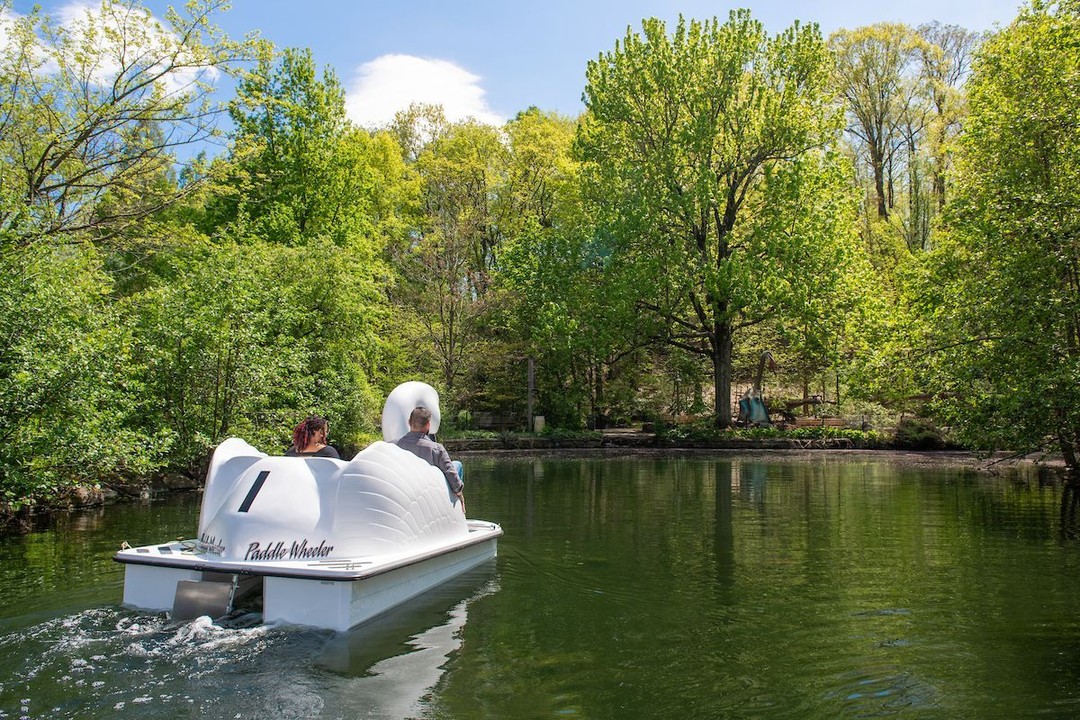
Families and groups particularly enjoy the swan experiences at Waterfowl Lake. The opportunity to paddle aboard Trumpeter Swan boats enhances interactions with nature. These boats accommodate five passengers, making them an ideal choice for family outings or friendly gatherings. As guests glide across the picturesque lake, they encounter swans and other waterfowl in their natural habitat. This unique perspective fosters understanding of avian behavior and interactions among species. For children, such experiences can ignite a lifelong interest in wildlife and conservation. Learning about swan habits or the importance of wetlands can spark curiosity about environmental stewardship.
Monitoring and research efforts at the zoo provide critical data regarding swan populations. Regular assessments of swan health, behavior, and environmental conditions occur to ensure that species thrive. Collaborations with academic institutions contribute to understanding swan ecology and behavior in various settings. Techniques such as banding and tracking are indispensable for collecting data on migration patterns and habitat use. Researchers analyze this information to inform management strategies and bolster conservation efforts. Educational programs often incorporate findings, helping visitors grasp the significance of these endeavors.
The emphasis on sustainable practices in zoo operations must not be overlooked. Wildlife conservation does not stop at protecting species; it encompasses managing resources responsibly. The zoo implements eco-friendly practices, focusing on reducing waste and conserving energy. Initiatives such as recycling and organic landscaping lead to healthier environments for both animals and visitors. By engaging in sustainable operations, the zoo demonstrates a commitment to minimizing its ecological footprint. Visitors leave not only with memories of their swan experiences but also with insights into responsible environmental practices.
Swans reflect the intricate connections within ecosystems. Their presence signifies healthy wetland habitats supporting diverse species. Observers can often witness them foraging, preening, and communicating, which adds layers to the experience. Understanding these behaviors enhances appreciation for swan biology and the ecosystems they inhabit. For instance, swans graze on aquatic plants, which helps to maintain balanced ecosystems by controlling plant overgrowth. Additionally, their nesting and rearing habits contribute to habitat structure, influencing other species within the same ecological niches.
Trumpeter Swans, specifically, exhibit interesting behaviors. They are the largest of North American swans, a characteristic that sets them apart. Their distinctive trumpet-like call, which can be heard several miles away, serves both communication and territorial purposes. Observing such vocalizations adds depth to visits at Waterfowl Lake. By incorporating knowledge about their behavior, families gain a richer understanding of wildlife interactions.
The management of swan populations also includes education efforts aimed at conserving their habitats. Many species face pressures from habitat destruction and climate change. Residents and visitors can play a role in this by learning about local wetlands. Engaging with local conservation groups often leads to increased awareness of how human activities impact swans and their ecosystems. The educational programs at the zoo serve as a gateway for individuals to participate actively in conservation work, making an impact beyond the zoo grounds.
Families benefit from not just an educational outing but also emotional experiences when interacting with wildlife. The simple act of paddling on Waterfowl Lake can foster connections between people and nature. As children observe swans in their habitat, they are likely to form attachments that cultivate an appreciation for wildlife. Nature-centric experiences can enhance cognitive and emotional development, making these interactions beneficial on multiple levels.
The zoo’s commitment to research enhances its conservation message. Through partnerships with academic and research institutions, efforts focus on studying the ecological role of swans and their responses to environmental changes. This research is crucial for forming effective conservation strategies. As scientists learn more about swan biology and ecology, they can develop proactive measures to ensure these birds thrive in their environments.
Monitoring efforts combined with public education make a significant impact. Tracking swan movements helps identify critical habitats that require protection. Conservationists use this data to advocate for policy changes aimed at preserving wetlands. This collaboration demonstrates the importance of public engagement in conservation efforts—when people understand the significance of protecting habitats, they are more likely to support initiatives beneficial to wildlife.
Sustainable practices in zoo operations extend the benefits of conservation to visitors. By embracing energy-efficient technologies and promoting eco-friendly behaviors, the zoo sets an example for guests. The zoo’s initiatives stimulate discussions about conservation, offering insights into how individual actions can make a difference. For instance, simple changes, such as reducing single-use plastics or participating in local clean-up events, can translate into significant impacts on local waterways, where swans reside.
In summary, the return of the swans signifies much more than an aesthetic enhancement to Waterfowl Lake. It highlights the interconnectedness of ecosystems, the necessity of conservation efforts, and the role educational experiences serve in fostering a sense of responsibility towards wildlife. The Trumpeter Swan boats provide an engaging means for families to connect with nature while supporting broader wildlife conservation goals. Through ongoing research, sustainable practices, and educational outreach, the zoo embarks on a journey that weaves together the threads of ecology, community, and conservation for a shared future. Exploring the serene environment of Waterfowl Lake fosters an appreciation for the elegance and importance of swans and encourages a commitment to protecting their habitats.
*****
Source Description
Swans are back! Paddle on the picturesque Waterfowl Lake aboard Trumpeter Swan boats. Perfect for families and groups, these five-passenger boats provide a peaceful way to experience the heart of the Zoo. 🦢
