
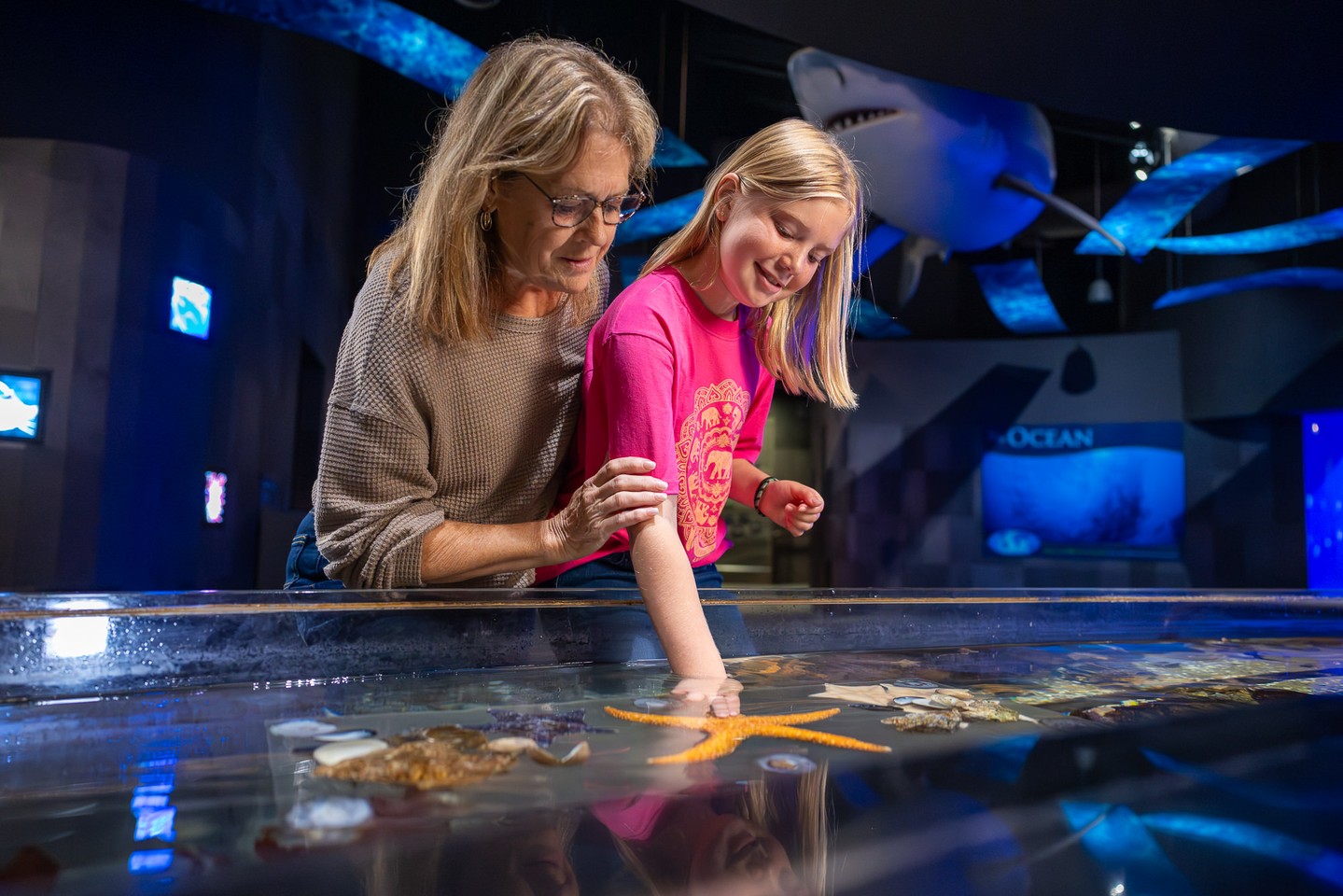
- The importance of zoo education programs in fostering wildlife appreciation and conservation awareness.
- Various educational programs offered by zoos, including Stroller Safari and Marine Biology classes.
- The role of families in engaging with educational initiatives to nurture early interest in biodiversity.
- How the involvement in zoo education programs contributes to conservation efforts.
- Resources and opportunities for registering and participating in educational events at zoos.
The modern zoo serves as an essential hub for wildlife education, conservation, and community engagement. These institutions not only house animals but also play a vital role in educating the public about biodiversity, ethical animal care, and the importance of conservation. Educational programs offer a structured pathway for visitors, especially children, to build a deeper appreciation for the animal world and foster a sense of responsibility for environmental stewardship.
Zoo education programs aim to cultivate a love for wildlife through innovative and hands-on experiences. Activities such as Stroller Safari and themed events like Creepy Cookies engage young visitors in immersive learning. Stroller Safari allows parents and caregivers to enjoy guided tours tailored for infants and toddlers, weaving in information about various animals while accommodating the needs of small children. This program introduces the soothing sights and sounds of the zoo, nurturing curiosity in the youngest members of the community.
Creepy Cookies, an interactive baking session where kids can create animal-themed treats, combines learning with fun. By connecting culinary arts to animal facts, children can appreciate the connection between food, culture, and wildlife—an important aspect of understanding ecosystems and sustainability. Such events exhibit how education can be interactive and enjoyable, effectively capturing the interests of children.
For families eager to delve deeper into specialized subjects, the Marine Biology classes offered by many zoos provide valuable insights into aquatic life. These classes often cover critical topics such as ocean ecosystems, the impact of pollution on marine habitats, and the importance of conservation efforts in the context of marine species. Through activities like dissections, hands-on experiments, and field studies, young minds gain a comprehensive understanding of marine biodiversity. This knowledge is crucial, given that oceanic ecosystems face numerous threats, including climate change and habitat degradation.
Furthermore, these educational initiatives empower families to take an active role in wildlife advocacy. Engaging children in discussions about animal behaviors, habitats, and conservation issues equips them with the tools to become informed advocates for wildlife. Research suggests that early exposure to such concepts significantly influences a child’s perspective on the environment and their willingness to engage in conservation efforts as adults.
The impact of participating in zoo education programs extends beyond just individual families; it contributes to larger conservation efforts. Zoos often support global wildlife initiatives by raising funds and awareness through their educational outreach. Each program not only educates participants but also serves as a platform to discuss ongoing conservation projects, the challenges they face, and how the public can assist. By drawing connections between local actions and global conservation goals, zoos are fostering a generation of environmentally conscious citizens.
Individuals interested in these educational offerings can easily find access through zoo websites. Most zoos maintain a dedicated page listing various events and registration options. The Omaha Zoo, for instance, provides detailed descriptions of its educational programming, ensuring that interested families can navigate their choices effortlessly.
Validating the importance of these programs through statistics may further inspire participation. Studies have shown that children who engage in educational programs at zoos are more likely to develop pro-environmental behaviors. This behavior tends to persist into adulthood; adults who participated in childhood zoo programs often continue to support conservation initiatives and wildlife protection efforts.
Zoo education programs also present an opportunity for collaboration with local schools. Partnering with educational institutions allows zoos to extend their reach, bringing wildlife education directly into classrooms. School visits and field trips can include interactive presentations, animal encounters, and curriculum-aligned activities. This collaboration amplifies the educational impact and motivates students to explore science and nature outside the classroom.
Critically, zoo education goes beyond entertainment. It plays a vital role in species preservation education by highlighting endangered animals and their habitats. Understanding the importance of protecting diverse species informs children about the complex interdependencies in nature and humanity’s role in preserving these systems. By showcasing endangered species through educational programs, zoos instill a sense of urgency and responsibility in young people.
For parents and educators, these programs offer a gateway to discuss larger environmental issues, including climate change, habitat destruction, and species extinction. Programming often incorporates current events and scientific research to explain how these issues impact both wildlife and human societies. Such discussions are essential in fostering an informed and engaged public that cares about the future of biodiversity.
Engagement in zoo education does not stop after the program ends. Many zoos encourage participants to continue learning by providing resources for families to explore at home. These may include activity sheets, reading lists, and suggestions for further community involvement in conservation efforts. By nurturing an ongoing relationship with wildlife education, families build a lasting connection with animals, nature, and environmental protection.
In today’s world, where environmental issues prevail, there is a growing need for educational initiatives that promote conservation and responsible stewardship of our planet. Zoos have recognized this need and are adapting their educational programs accordingly. Innovative approaches, tailored content, and community involvement allow them to address contemporary issues while fostering a passion for wildlife in future generations.
Additionally, technology plays a significant role in enhancing zoo education. Virtual reality experiences, digital learning modules, and live feeds from animal enclosures can provide rich, engaging platforms for learning. For families unable to visit the zoo physically, these digital initiatives expand access to education and allow for a diverse learning experience from home.
Participation in these educational initiatives not only serves individual families but enhances community relationships as well. Zoos often collaborate with local organizations and conservation groups, creating a stronger network committed to environmental education. Through workshops, lectures, and community events, zoos can inspire collective action to address local and global conservation challenges.
As society becomes increasingly aware of our impact on the environment, zoo education programs stand at the forefront, guiding public understanding and encouraging proactive approaches to wildlife conservation. Registration for programs is currently open, making it an ideal time for families and individuals alike to get involved.
With a variety of offerings, including Stroller Safari, Creepy Cookies, and specialized classes such as Marine Biology, there’s something for everyone in the family. Each program provides meaningful opportunities for learning and engagement. Interested parties can check the Omaha Zoo’s site for full details and registration links, ensuring they secure their spots in these enriching experiences.
Involving children in this educational journey not only cultivates their curiosity about the natural world but also fosters a commitment to conservation efforts that can last a lifetime. By empowering the next generation through these zoo programs, we can hope for a future where wildlife, ecosystems, and communities thrive in harmony.
*****
Source Description
There are so many ways to Zoo you – including getting involved in our education programs!
Bring your little ones and join us for a Stroller Safari, Creepy Cookies, or introduce your kiddo to the world of Marine Biology through one of our classes!
Registration is open now for these events, and there’s something for every kid! Check out our full education event list here: https://www.omahazoo.com/children-and-families
