
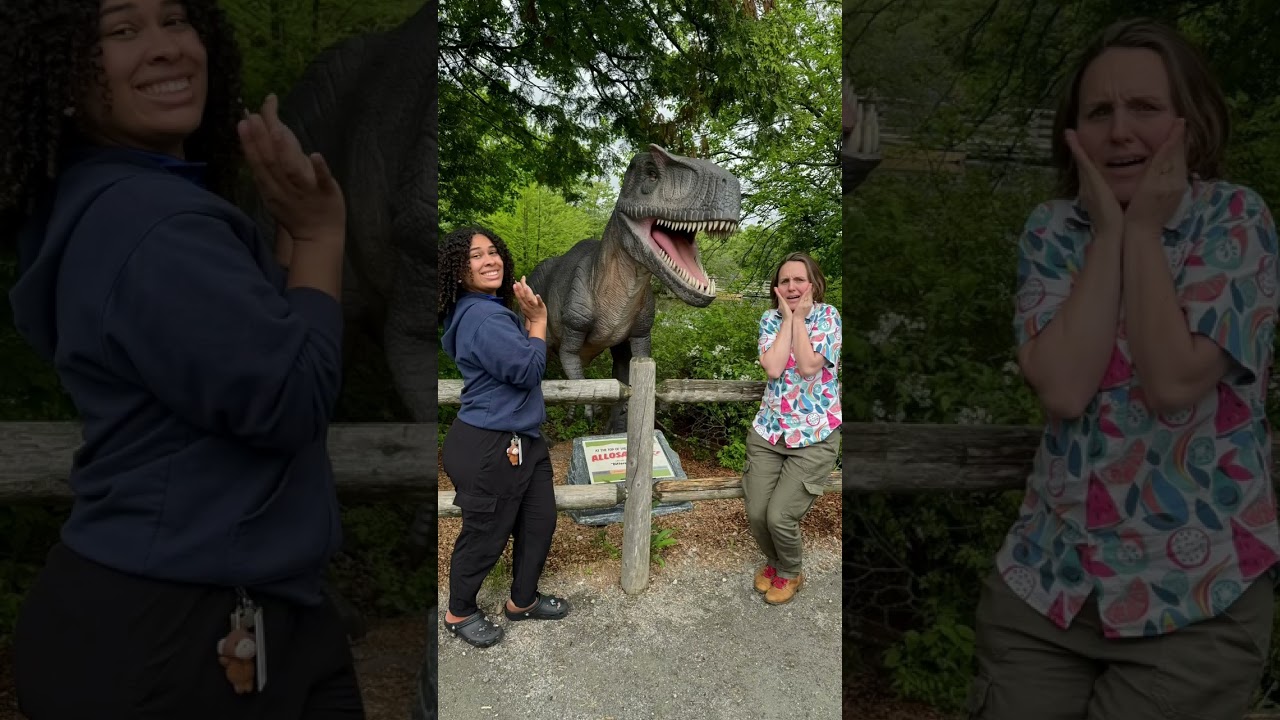
- Understanding the diverse roles of modern zoos in wildlife conservation and education.
- The significance of animal welfare and ethical considerations in zoo management.
- The integration of technology and interactive experiences in enhancing visitor engagement.
- Exploring breeding programs and their role in preserving endangered species.
- Assessing the impact of zoos on public awareness and environmental stewardship.
Zoos play an indispensable role in the intricate network of conservation efforts worldwide, shedding light on biodiversity and catalyzing public interest in environmental stewardship. Modern zoos transcend beyond the traditional concept of mere animal exhibits and have evolved into dynamic centers for education, conservation, research, and recreation. This evolution illustrates their multifaceted approach to wildlife preservation and public engagement.
Understanding the Diverse Roles of Modern Zoos
Modern zoos serve as crucial bastions for wildlife conservation and education. They play a pivotal role in maintaining genetic diversity, assisting in species recovery, and conducting important research. Zoos contribute significantly to the conservation of biodiversity by participating in breeding programs for endangered species. They also embark on rehabilitative efforts to reintroduce animals into their natural habitats when feasible, thereby addressing the escalating crisis of species extinction.
Educational outreach is another foundational pillar of modern zoos, augmenting public understanding of animal behavior, ecology, and conservation challenges. Interactive exhibits, strategically designed educational programs, and personal encounters nurture a greater appreciation for wildlife. This heightened awareness fosters a connection between visitors and the natural world, imparting them with a sense of responsibility for environmental preservation.
Zoos also facilitate research that aids in comprehending animal health, behavior, and genetics. By collaborating with scientists and academic institutions, zoos expand the breadth of knowledge in zoological and ecological sciences. Research conducted within these settings not only applies to animals in captivity but also extends to wild populations, enhancing conservation strategies globally.
Animal Welfare and Ethical Considerations in Zoo Management
The welfare of animals in human care remains a central concern in zoo management. Modern zoos place substantial emphasis on creating environments that replicate natural habitats and promote species-specific behaviors. This effort involves providing animals with enrichment activities, appropriate social structures, and mental stimulation to enhance their quality of life.
Zoo accreditation agencies, such as the Association of Zoos and Aquariums (AZA), implement stringent standards to ensure the ethical treatment of animals within their care. These standards prioritize the physical health, psychological well-being, and social needs of each species. Staff undergo specialized training to deliver high-quality care, and continuous assessments are conducted to align with current welfare standards.
Ethical considerations also encompass the acquisition and relocation of animals. Responsible zoos engage in transparent dealings, often participating in global networks that coordinate animal transfers based on genetic and welfare needs, rather than commercial transactions. Such measures help mitigate the ethical dilemmas associated with animal collection.
Integration of Technology and Interactive Experiences
The inclusion of technology in zoos enhances visitor engagement and learning. Interactive exhibits, virtual reality experiences, and educational apps offer innovative ways to explore animal behavior and ecosystems. These technological advances allow visitors to delve deeper into conservation stories, offering a more comprehensive understanding of the challenges faced by different species.
Digital platforms enable zoos to reach wider audiences, sharing live streams and educational videos that extend learning beyond physical visits. Social media and online resources further amplify conservation messages and engage a global community, making zoos more accessible to those who might not otherwise have the opportunity to visit.
Interactive experiences, such as guided tours and feeding sessions, allow visitors to forge personal connections with animals. These hands-on encounters are strategically crafted to enhance learning, spark curiosity, and galvanize support for conservation initiatives.
Breeding Programs and Preserving Endangered Species
Breeding programs within zoos are vital for the conservation of endangered species. These initiatives focus on managing genetic diversity and producing individuals that can eventually be reintroduced into the wild. By maintaining healthy, self-sustaining populations, zoos contribute to biodiversity conservation on a global scale.
Species Survival Plans (SSPs) are sophisticated breeding and management programs that strategically pair animals to optimize genetic health. SSPs often involve collaborations among multiple zoos, allowing for the exchange of knowledge and resources. These efforts are instrumental in preventing the extinction of vulnerable species and provide a genetic reservoir for future reintroductions.
The success of these programs is reflected in the recovery of several species that were once on the brink of extinction, such as the California condor and the black-footed ferret. Breeding programs offer a glimmer of hope in the battle to preserve the planet’s rich biodiversity.
Impact of Zoos on Public Awareness and Environmental Stewardship
Zoos are powerful agents for raising public awareness and fostering environmental stewardship. They provide a tangible connection to distant ecosystems and wildlife, encouraging visitors to consider the broader implications of their actions on the environment. Through thoughtfully constructed narratives and curated exhibits, zoos inspire visitors to adopt sustainable practices and advocate for wildlife protection.
By showcasing conservation success stories and ongoing challenges, zoos highlight the interconnectedness of ecosystems and the urgency of preserving them. Educational programs emphasize the role individuals can play in conservation efforts, empowering visitors to become informed advocates for change.
The presence of zoos in urban areas also underscores the importance of green spaces and biodiversity within city landscapes. They serve as reminders of the natural world’s significance and the shared responsibility to protect it for future generations.
In summation, zoos are instrumental in advancing wildlife conservation, education, and public engagement. By embracing ethical practices, integrating technology, and championing breeding programs, they contribute to the preservation of global biodiversity. Their impact on raising public awareness and fostering environmental stewardship underscores their ongoing relevance in a rapidly changing world.
*****
Source Description
It’s always a good time at the Zoo! 😎🐘🦅🦖
