
- Understanding the biological needs and environmental preferences of dart frogs in captivity.
- The technical and logistical aspects of habitat maintenance at Audubon Aquarium.
- The importance of biodiversity and conservation efforts in maintaining dart frog populations.
- How controlled environments mimic natural habitats to support health and behavior.
- The role of education and public awareness in wildlife conservation.
Maintaining the dart frog habitat at Audubon Aquarium involves a careful balance of science, logistics, and conservation awareness. These vibrant amphibians, known for their striking colors and toxicity in the wild, require specific conditions to thrive in captivity. This article delves into how these needs are met, emphasizing the significance of habitat maintenance, biodiversity, and public education.
Dart frogs are native to the tropical rainforests of Central and South America. In the wild, these amphibians thrive in humid, warm environments with ample foliage and insect populations. At Audubon Aquarium, replicating these conditions is crucial for their health and well-being. The biological needs of dart frogs, including humidity, temperature, diet, and social interactions, are essential components that zookeepers meticulously monitor. The habitat must maintain a consistent temperature between 70 and 80 degrees Fahrenheit, with humidity levels kept between 70% and 90%.
Creating such an environment involves more than just temperature control. The substrate, composed of materials like sphagnum moss and leaf litter, must promote moisture retention while facilitating waste breakdown. The choice of vegetation is equally important, providing cover and climbing opportunities, which are essential for their natural behaviors. Plants like bromeliads and ferns are routinely used to replicate the understory of a rainforest, ensuring dart frogs have spaces to hide and climb.
At the Audubon Aquarium, keeping the habitat clean and disease-free requires rigorous processes. Filtration systems must be top-notch to handle moisture levels and maintain water quality. Regular testing of water parameters is essential to prevent the growth of harmful bacteria and fungi, which could endanger the frogs. Additionally, zookeepers implement rotational cleaning schedules to minimize disturbance while ensuring hygiene. Each cleaning cycle takes into consideration the life cycles of the plants and the habits of the frogs, balancing maintenance with the natural dynamics of the ecosystem.
Maintaining a captive environment demands precise management, but it also serves a larger purpose. Dart frogs, threatened in their native habitats due to deforestation and pollution, benefit from conservation efforts at aquariums. By providing a stable environment, zoos participate in preserving these species and, potentially, aid in restocking native populations. Conservation programs often include breeding initiatives to enhance genetic diversity, essential for sustaining populations.
Public education plays a crucial role in these conservation efforts. Visitors to the Audubon Aquarium can observe the dart frogs and learn about their ecosystems and the challenges they face. Educational programs and displays engage guests, offering insights into the importance of conservation and the role humans play in ecosystem preservation. By fostering a connection between people and wildlife, the aquarium inspires actions that support biodiversity.
Moreover, mimicking natural habitats isn’t just about replicating conditions but understanding how these elements contribute to the behaviors and health of the frogs. Enrichment activities are integrated, providing mental and physical stimulation. These include altering the layout with branches or adjusting light cycles to simulate natural changes. Such practices contribute to the frogs’ overall well-being, encouraging natural behaviors crucial for their survival.
In conclusion, maintaining the dart frog habitat at Audubon Aquarium is a multi-faceted endeavor requiring a deep understanding of herpetology, ecology, and environmental science. By nurturing these vibrant amphibians, the aquarium not only showcases the splendor of biodiversity but also underscores the critical need for conservation. Through habitat maintenance, conservation initiatives, and public education, Audubon Aquarium plays a pivotal role in preserving the future of dart frogs and their natural habitats.
*****
Source Description
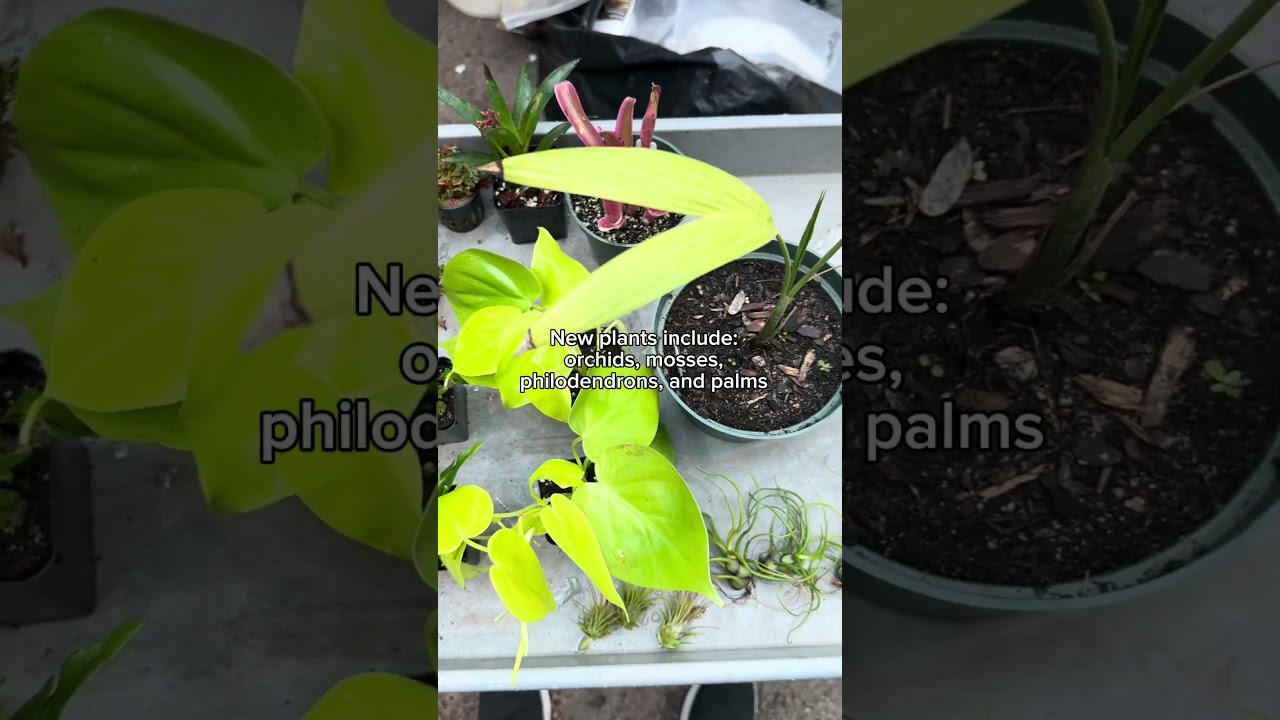
Fresh substrate, a brand-new plant lineup, and…a moss smoothie? (yes, really). This refresh helps keep the habitat clean, healthy, and hoppy for our frogs! 🐸 #vivarium #terrarium #fyp
