
- The importance of pollinators in our ecosystem
- Types of pollinators found in the garden
- The role of a Pollinator Garden in conservation efforts
- How to attract and support pollinators
- Observations and recent developments in the garden
Pollinators play a crucial role in maintaining the health of ecosystems. These species contribute significantly to biodiversity and food production. In our gardens, especially Pollinator Gardens, they support the growth and reproduction of flowering plants. This connection is vital for sustaining various wildlife populations and, ultimately, human life.
The primary pollinators are bees, butterflies, birds, bats, and other insects. Among them, bees are particularly effective due to their specialized anatomy and behaviors. Honeybees, for instance, collect nectar and pollen, which they transport back to their colonies. Their movement from flower to flower facilitates the transfer of pollen, leading to fertilization. Butterflies also play a significant role; their long proboscis allows them to access nectar deep within flowers, inadvertently aiding in reproduction.
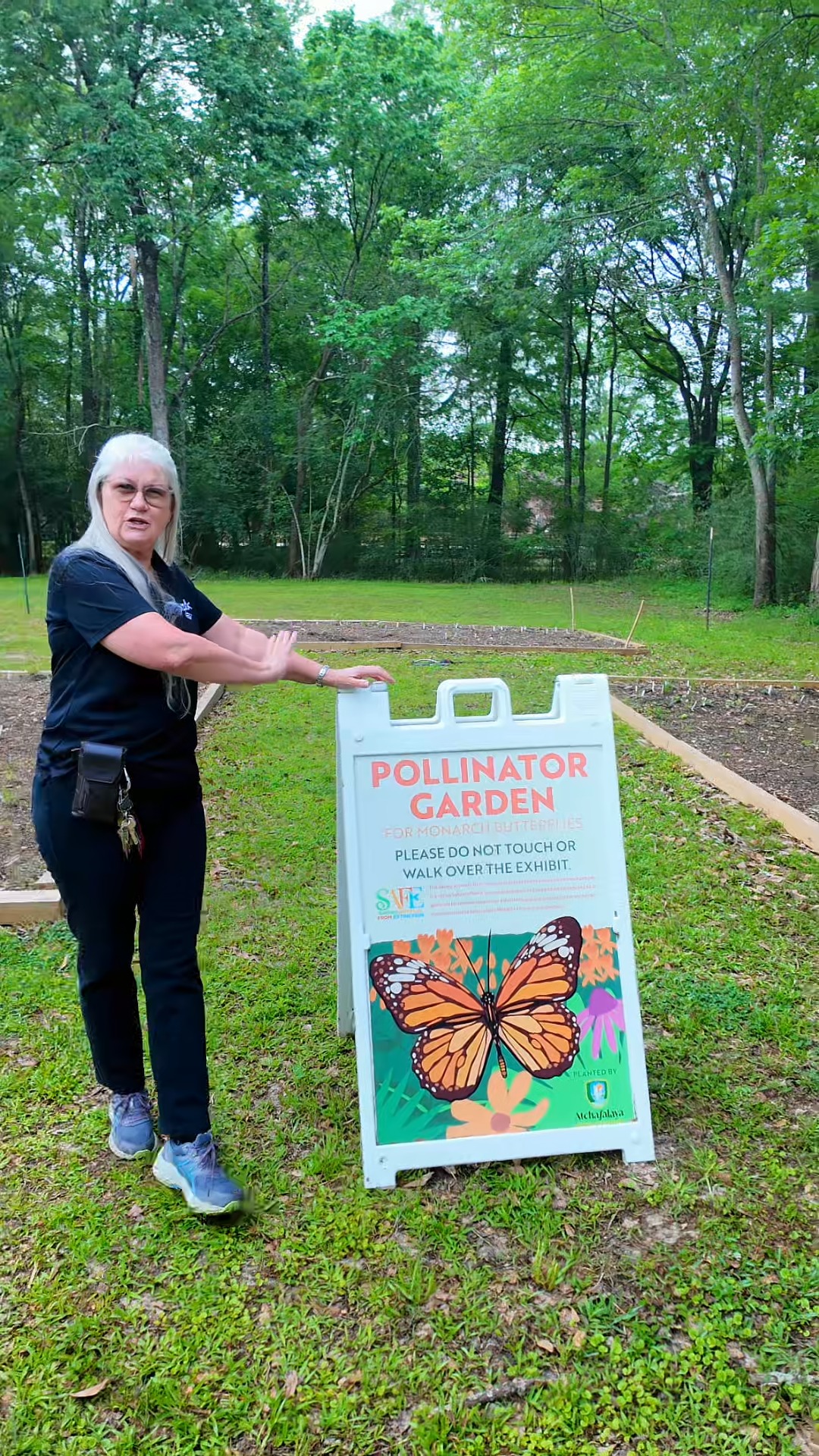
Different pollinators thrive in varying environments. Some prefer open fields filled with wildflowers, while others may be attracted to shrubs and trees. As these tiny green sprouts emerge in our Pollinator Garden, various species have already started to make their presence known. Take a moment to observe the vibrant interactions and the critical roles these organisms play.
The establishment of Pollinator Gardens is a key strategy in conservation efforts. These gardens provide essential habitats and food sources for pollinators, which are facing numerous threats. Pesticides, habitat loss, and climate change contribute to the decline of their populations. By creating dedicated spaces for these species, we can promote their survival and enhance biodiversity in our communities. Pollinator Gardens serve as educational tools as well, where visitors can learn about the species’ importance and how they can actively contribute to their conservation.
To attract pollinators and support their populations, there are simple actions you can take. Start by choosing native plants, as they are better adapted to local climates and ecosystems. Consider selecting a mix of blooming plants to provide food sources throughout the growing season. It is also essential to avoid pesticides and herbicides that can be toxic to pollinators. Sustainable gardening practices, such as composting and organic gardening, can greatly benefit your pollinator efforts.
In recent weeks, the Pollinator Garden has come alive, thanks to the ample spring rain. The green sprouts represent a diverse palette of plants, providing food and habitat for various pollinators. As you explore the garden, take note of the species you encounter. Have you spotted any bumblebees or honeybees hard at work? Or perhaps you’ve noticed the fluttering of monarch butterflies? Each sighting contributes to the vibrant ecosystem we are nurturing.
Encouraging community involvement is essential for the success of Pollinator Gardens. Organizing workshops and educational programs can raise awareness about pollinator needs. Community members can learn how to create their gardens and the significance of pollinators in food production. Schools can incorporate educational activities to teach children about plant-pollinator interactions, fostering a sense of environmental stewardship from a young age.
The present challenges faced by pollinators highlight the urgency of our collective action. Habitat destruction is one of the most significant threats. Urbanization leads to fewer flowering plants, reducing food availability and nesting sites. Climate change also affects blooming cycles, creating mismatches between the availability of flowers and the pollinators that rely on them. In response, Pollinator Gardens serve as a buffer, providing necessary resources in urban landscapes.
Dedicating attention to your garden can yield impressive results. By planting diverse flora that blooms at different times throughout the growing season, you can create a sustainable environment for pollinators. Research indicates that native flower species, which are best suited to local conditions, attract a higher number of pollinator species. This is critical; more plant diversity means greater chances of supporting various pollinators.
Engagement doesn’t have to stop with observation. Sharing your findings with local environmental groups can amplify your impact. Contributing to citizen science initiatives, such as tracking pollinator populations or participating in local biodiversity projects, can also prove rewarding. These efforts provide valuable data that can inform researchers and help develop conservation strategies.
As you observe the evolving nature of the Pollinator Garden, you might appreciate the interconnectedness of life. Pollinators do not operate in isolation; they contribute to a complex web of ecological interactions. Each flower that blooms and each insect that visits play a part in the cycle of life. They affect not only plant reproduction but also the availability of food for countless other species.
Beyond contributing to local ecosystems, Pollinator Gardens also promote a greater understanding of the natural world. Educational signage, workshops, and interpretive walks can help demystify the lives of pollinators. Visitors can learn the importance of social structures in bee colonies or the migratory patterns of butterflies. These insights foster appreciation and respect for pollinators and the ecosystem as a whole.
Furthermore, maintaining the garden involves ongoing effort and care. Regular monitoring and management of plant health are essential to ensure continued support for pollinators. This can involve weeding, mulching, and checking for any signs of disease or pest issues. Keeping a close eye on the various stages of development can also inform gardening strategies.
Adopting sustainable practices encourages pollinator visits. Strategies include planting in groups rather than isolated patches and including a variety of flower shapes and sizes. Such thoughtful arrangements can create inviting environments for different types of pollinators. Native species like coneflowers, black-eyed Susans, and catmint are particularly attractive.
The presence of diverse habitats enhances overall ecosystem resilience. By contributing to a network of Pollinator Gardens within neighborhoods, cities can develop corridors that facilitate pollinator movement. These corridors allow for greater genetic diversity and healthier populations. This aspect is particularly important in urban areas, where natural habitats have been largely fragmented.
Encouraging local businesses to participate in pollinator conservation can further amplify efforts. Restaurants and cafes can consider planting native flowers on their premises, while local nurseries can sell native plants. Community collaborations can help broaden the reach of conservation efforts.
It is crucial to recognize the potential of Pollinator Gardens as outdoor classrooms. Schools can integrate gardening into their curriculum, allowing students to understand ecological relationships firsthand. This approach fosters critical thinking and aligns with outdoor learning objectives. Students can engage in hands-on projects that highlight the importance of plants and their animal partners.
Additionally, hosting events like “Pollinator Days” in the gardens encourages community engagement. Such gatherings can feature educational talks, guided tours, and interactive activities. Families can learn together and foster a communal spirit centered around conservation.
The pollinator ecosystem thrives on interactions. Each visit from a bee or butterfly signifies a moment of connection between species and their environment. Observing these interactions reminds us of the importance of protecting such delicate relationships. As we witness the garden’s growth, we recognize our responsibility to support and advocate for these vital organisms.
In summary, the Pollinator Garden embodies a microcosm of ecological health and interdependence. It serves as a powerful reminder of the intricate balance within our environments. Acknowledging the role of different pollinators and actively engaging in their protection reaps rewards for both nature and humanity. Each step we take to support these populations contributes to a vibrant future, ensuring that both flora and fauna can flourish side by side.
As the storytelling of the Pollinator Garden continues, your participation is invaluable. Each observation leads to greater understanding, and each effort contributes to a larger conservation narrative. Your engagement can inspire others to appreciate the often-overlooked heroes of our gardens. Have you checked out our Pollinator Garden lately? 🌱 It is a testament to the resilience of nature, inviting you to witness the wonders it holds.
*****
Source Description
Have you checked out our Pollinator Garden lately? 🌱 Thanks to all the spring rain, tiny green sprouts are popping up, and the garden is coming to life!
Bees, butterflies, and other pollinators are already hard at work—helping our ecosystem thrive.
What pollinators have you spotted lately? 🐝🦋
