
- Explore the diverse inhabitants of the Water Discovery Education Center.
- Understand the biology and behavior of each featured animal.
- Discover the conservation efforts associated with these species.
- Learn about the role of educational centers in wildlife preservation.
- Recognize the importance of public engagement in conservation initiatives.
The Water Discovery Education Center is a gem where wildlife enthusiasts can immerse themselves in the captivating world of various animals. This center is home to an impressive array of creatures, each with distinct biological traits and behaviors. With a focus on education, conservation, and public engagement, the center seeks to illuminate the significance of these fantastic organisms while promoting awareness about preservation efforts in our environment.
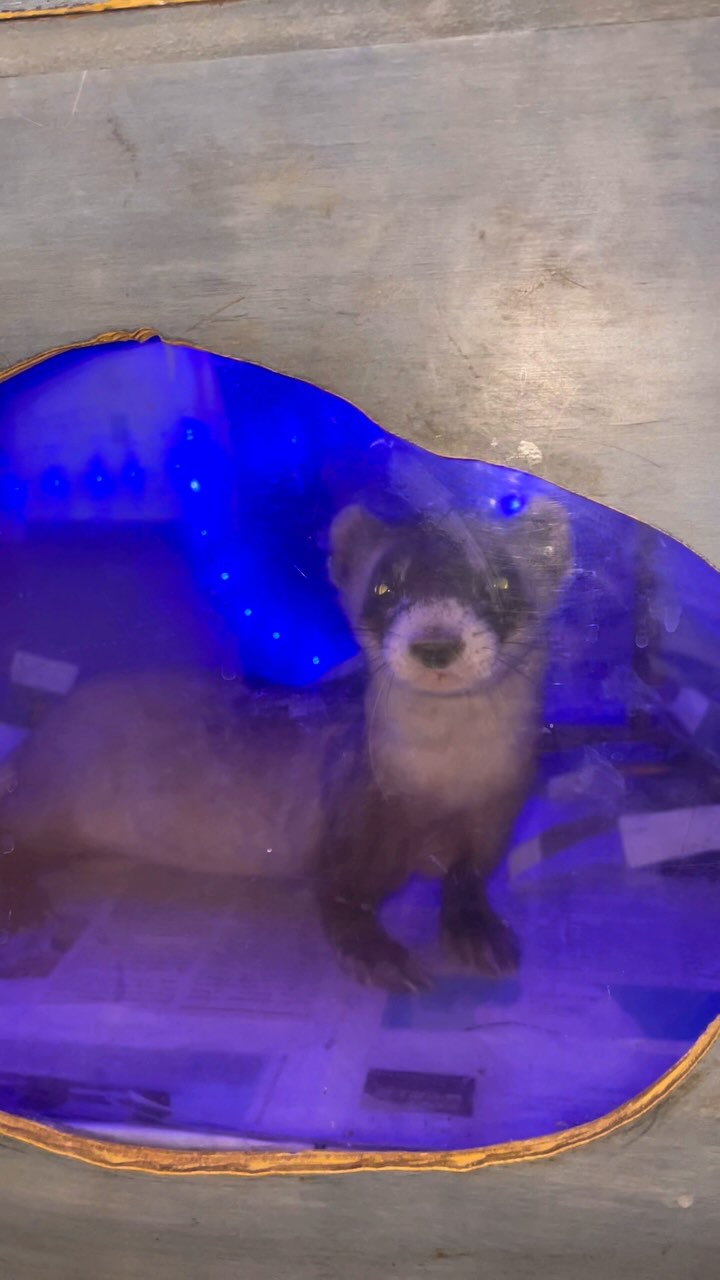
The first highlight of the center is the black-footed ferrets, named Patagonia and Lilli Anna. At nine years old, these animals are crucial for demonstrating the unique adaptations and behavior of this endangered species. Black-footed ferrets, known to be one of the rarest mammals in North America, primarily reside in the grasslands of the Great Plains. Their diet consists mainly of prairie dogs. Consequently, the populations of both species are closely linked. In captivity, these ferrets exhibit hunting behaviors and social structures that can be challenging to observe in the wild due to their endangered status. Learning about their biology—like their nocturnal habits, dietary needs, and social interactions—can spark interest in conservation efforts aimed at sustaining their populations.
Adjacent to the ferrets is Harper, a red-spotted toad, who embodies the delicate ecosystems of arid regions. At seventeen, this amphibian serves as a vital indicator species. Toads are especially sensitive to environmental changes, and Harper’s well-being reflects the health of his habitat. His presence at the center highlights the interplay between amphibians and their ecosystems. Researchers continuously study red-spotted toads, focusing on their reproductive patterns and developmental stages. The center provides educational opportunities about the importance of amphibians in maintaining balanced ecosystems and the significant threats they face, including habitat loss and climate change.
The Water Discovery Education Center is also home to a desert blonde tarantula, which has captivated visitors for five years. Tarantulas play a crucial role as predators in their respective environments. Their primary diet consists mainly of insects and small vertebrates, effectively controlling pest populations. Despite their fearsome appearance, these spiders are vital for maintaining ecological integrity. The center offers information on their molting processes, behaviors, and habitat requirements, emphasizing the need to understand and respect these often-misunderstood creatures.
Among the fascinating exhibits are Madagascar hissing cockroaches, with a staggering population of over 800 individuals. These giant insects thrive in their natural habitat, where they play a significant role in decomposing organic matter. Their hissing sound, produced by forcing air through tiny openings in their abdomen, can be an engaging educational topic for visitors. Cockroaches contribute to soil health and illustrate the interconnectedness of various species within ecosystems. The center serves to dispel myths about these creatures while shedding light on their important functions in nature.
The feature of the center that often steals the show is the collection of macaws, particularly the blue and yellow macaws named Mac and Rio, alongside the military macaw named Festus. With ages ranging from 29 to 36 years, these colorful birds captivate visitors with their bright plumage and playful demeanor. Macaws are known for their intelligence, social structures, and vocal abilities. In the wild, they play essential roles in their habitats, including seed dispersal. The education provided about these birds focuses on their challenges, including habitat degradation and the illegal pet trade, highlighting the need for conservation initiatives.
Each of these species presents unique insights into the interconnectedness of biodiversity and the environment. The education center plays a pivotal role in advancing public understanding of the importance of wildlife conservation. By providing an accessible platform for learning, the center seeks to foster a sense of responsibility among visitors. Educational programs and workshops promote a greater appreciation for the complexities of ecosystems and the importance of preserving natural habitats for future generations.
The conservation efforts linked to each species are vital to sustaining healthy populations. The black-footed ferret, for instance, has been the focus of extensive breeding programs and habitat restoration initiatives. Due to severe declines in their numbers, these programs not only promote breeding in controlled environments but also aim to rehabilitate their natural habitats. Engaging the community in such efforts fosters awareness and support for ongoing projects that aim to bring these animals back from the brink of extinction.
Similarly, the red-spotted toad faces mounting pressures due to climate change and habitat fragmentation. Ongoing research is critical to understanding these threats and developing strategies for their mitigation. The education center underscores the urgency of conservation efforts and encourages visitors to participate in local and global initiatives aimed at protecting amphibians and their habitats.
Macaws also face significant challenges, such as deforestation and poaching. Educational institutions like the Water Discovery Education Center advocate for sustainable practices and policies that protect these magnificent birds. Through interactive displays and presentations, visitors can learn how they can contribute to the conservation of these species by supporting sustainable product initiatives and habitat restoration projects.
Moreover, the role of educational centers in wildlife preservation extends far beyond simply showcasing animals. They play a fundamental part in research and conservation programs that yield data-driven strategies to protect endangered species. This incorporates the use of modern technology in tracking animal movements and analyzing population dynamics, feeding into larger conservation efforts.
Public engagement is crucial as well. When individuals leave a place like the Water Discovery Education Center, they carry newfound knowledge about the animals they have seen and the issues these creatures face. This understanding fosters a proactive attitude, motivating community members to take action. Participation in local conservation events, advocacy for wildlife policy changes, or even small lifestyle adjustments can significantly contribute to preserving biodiversity.
Adopting sustainable practices at home, like reducing plastic use and supporting local wildlife-friendly organizations, can create a ripple effect. When individuals work together, they amplify their voices to promote changes that benefit the environment. Community education creates advocates for wildlife conservation, encouraging them to inspire others to join in these efforts.
In cultivating a network of environmentally conscious individuals, educational centers like the Water Discovery Education Center become vital hubs for knowledge and action. By engaging with the public, they bring awareness not only to the animals in their care but also to the broader ecosystem they are part of, demonstrating how each species is interlinked.
Education is a powerful tool in the fight for conservation. The Water Discovery Education Center provides a unique space where enthusiasts can explore the fascinating lives of various animals. Each interaction is an opportunity to learn about biology, ecology, and the pressing need for conservation. As visitors depart, they carry with them not only memories of beautiful animals but also a deeper connection to the planet and a commitment to the ongoing effort to protect its biodiversity.
The diverse inhabitants of the Water Discovery Education Center serve as living examples of critical conservation themes. By merging education with hands-on experiences, the center fosters a strong foundation for wildlife awareness. Through its programs, it plays a critical role in shaping the conservationists of tomorrow, igniting a passion for the environment that can lead to real, lasting change. The hope is that visitors leave with a newfound appreciation for our planet’s rich biodiversity and a commitment to protecting it for future generations.
*****
Source Description
💦Visit our Water Discovery Education Center and discover these beautiful animals:
💕Black-Footed Ferrets, Patagonia and Lilli Anna, both 9 yrs.
🐸 Red-Spotted Toad, Harper, 17 yrs.
🤎 Dessert Blonde Tarantula, no name, 5 yrs.
🪳 Madagascar Hissing Cockroaches, we have over 800 of them
🦜💙💛 Blue and Yellow Macaws, Mac (29 yrs.) and Rio (35 yrs.)
🦜🩵💚Military Macaw, Festus, 36 yrs.
The macaws are outside, next to the center.
